
Updated at: 08.10.26

Villa Architecture in Dubai: A Buyer’s Guide to Plot, Design And Approvals
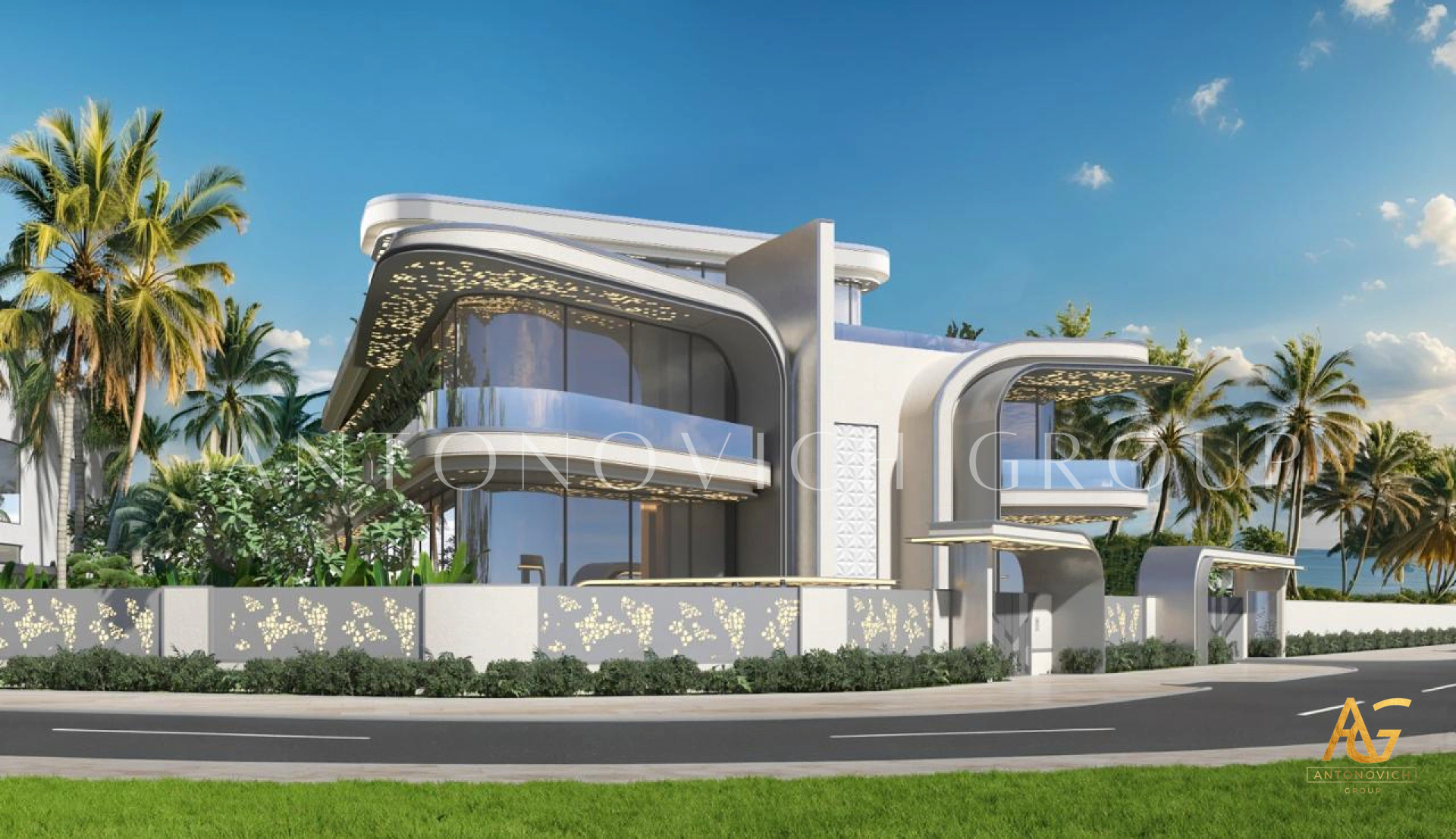
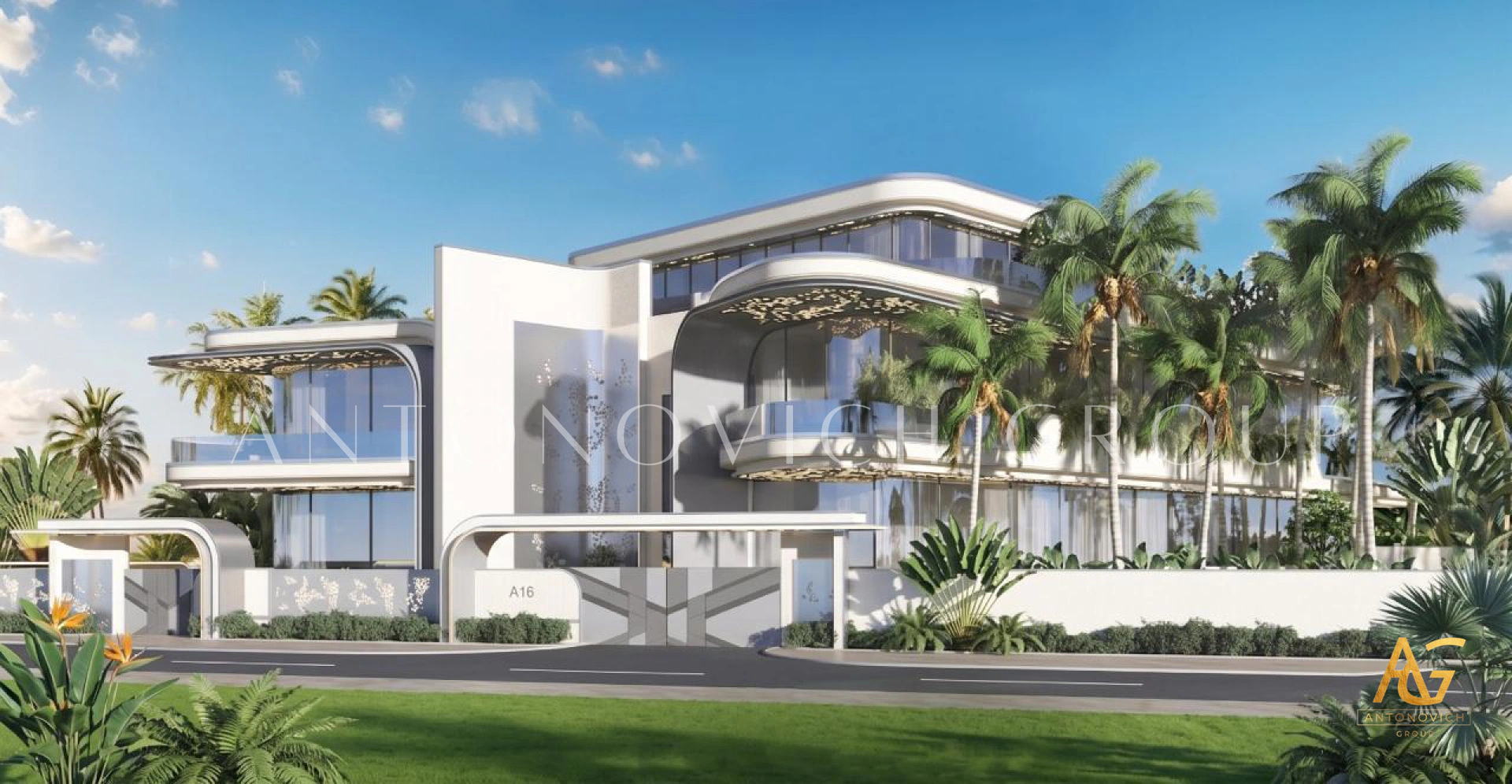
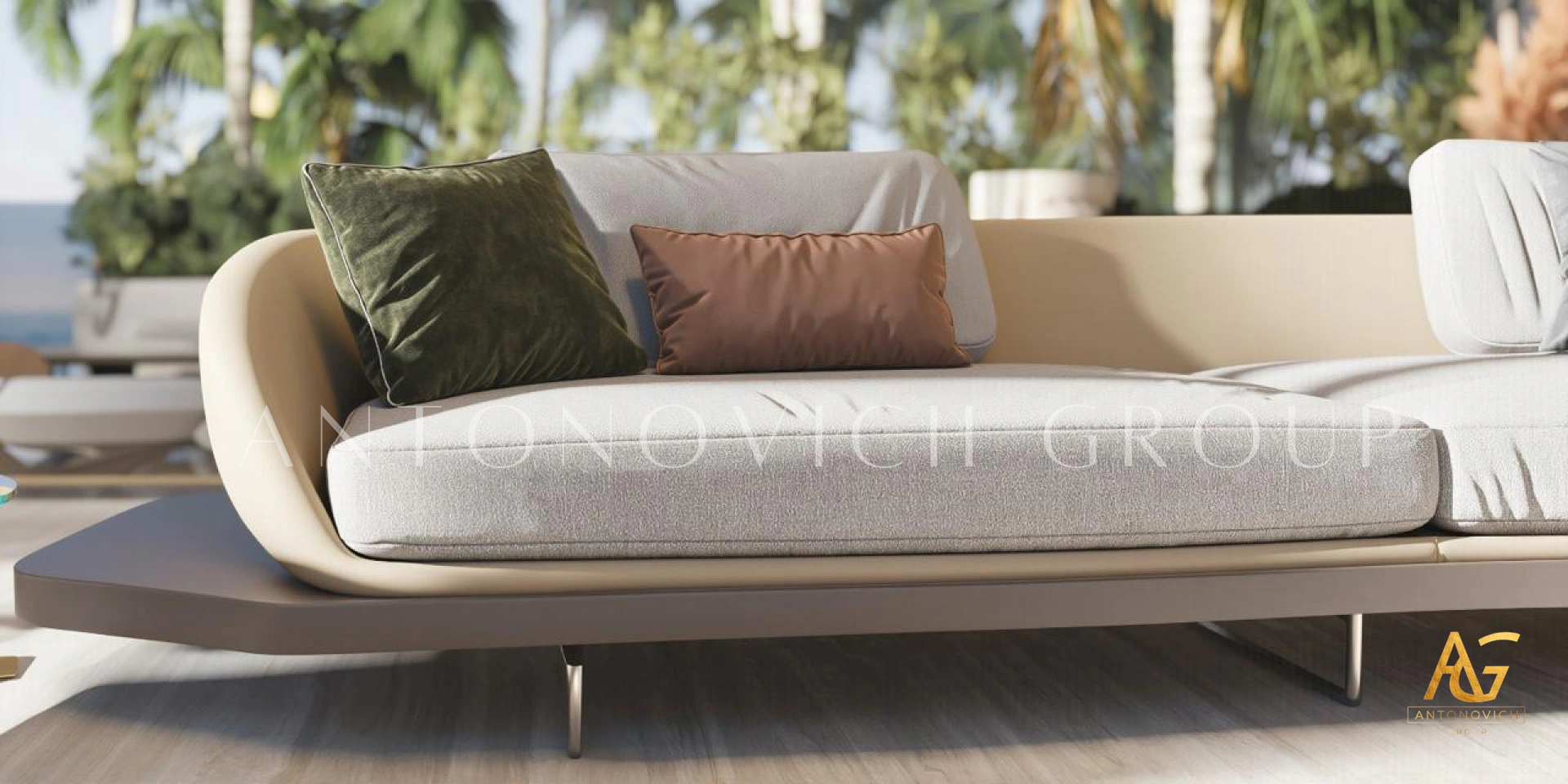
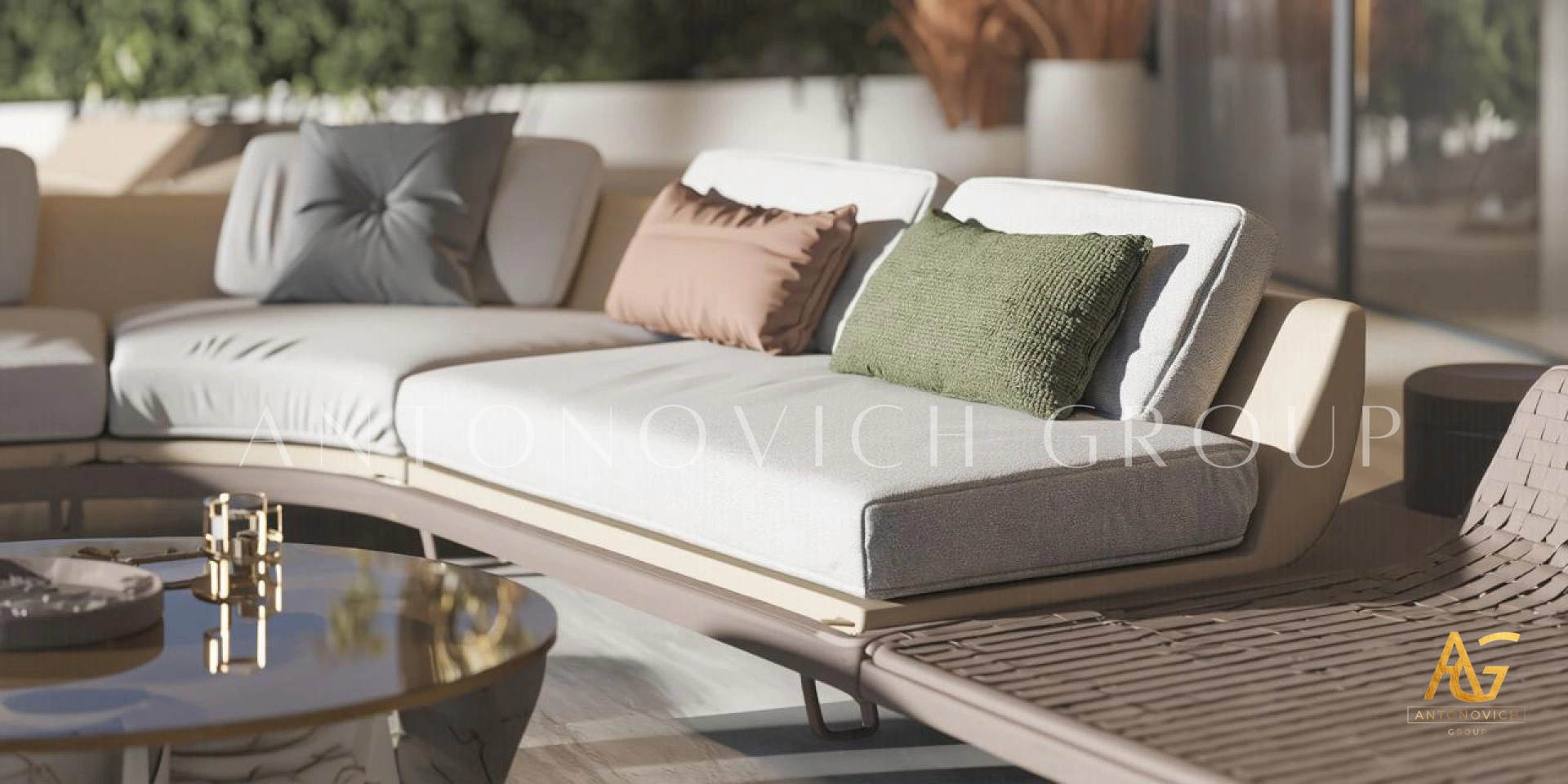
What Every Prospective Villa Owner Should Understand Before Breaking Ground
Buying land and building a villa in Dubai is one of the most significant investments many homeowners will ever make — and also one of the least intuitive processes for first-time buyers to navigate. Between plot evaluation, architectural design decisions, and a regulatory approval landscape that varies significantly across communities, villa architecture Dubai projects involve far more upfront complexity than most buyers initially expect. Antonovich Group works with clients through every stage of this process, and this guide reflects the questions and decision points we see prospective villa owners grapple with most often.
Understanding the Journey Before You Begin
Many buyers approach villa construction assuming the process moves in a fairly linear sequence: buy land, choose a design, build. In reality, successful villa architecture in Dubai requires several parallel and interdependent workstreams — plot evaluation, architectural concept development, regulatory approval, and construction planning — each influencing the others in ways that aren't always obvious from the outset.
Understanding this complexity upfront, rather than discovering it mid-process, is what separates buyers who navigate villa construction smoothly from those who encounter frustrating and costly surprises along the way.
Part One: Evaluating Your Plot
Plot Size and Buildable Footprint
Not all of a plot's total area translates directly into buildable space. Community-specific setback requirements, maximum building footprint percentages, and height restrictions all determine how much of a plot can actually be developed — figures that should be understood clearly before any architectural concept work begins, since they fundamentally shape what's possible on a given site.
Orientation and Solar Exposure
A plot's orientation significantly affects both architectural design and long-term livability. West-facing facades typically require more careful shading strategy to manage intense afternoon heat, while north-facing orientations often provide more consistently comfortable natural light throughout the day. Understanding your specific plot's orientation early allows villa architecture design to respond intelligently to these conditions from the outset, rather than compensating for them after the fact.
Soil and Site Conditions
Site-specific factors — soil composition, groundwater conditions, and any existing infrastructure constraints — can meaningfully affect both construction cost and foundation design. A geotechnical assessment early in the process helps avoid budget surprises once construction is underway.
Community-Specific Regulations
Dubai's residential communities each carry their own specific architectural guidelines, covering everything from permitted architectural styles to maximum building heights, setback requirements, and even facade material restrictions in some master-planned communities. Understanding your specific community's requirements is essential before committing to an architectural concept, since a design that doesn't align with community guidelines will face delays or require significant rework during the approval process.
Part Two: Making Design Decisions
Choosing an Architectural Direction
Prospective villa owners typically arrive with either a clear architectural preference or considerable uncertainty about style direction. For those still deciding, understanding how contemporary, classical, and hybrid architectural approaches perform on your specific plot — a consideration explored in depth in our companion guide on contemporary versus classical villa design — provides a useful starting framework before committing to a direction.
Balancing Aspiration With Practicality
It's natural for buyers to arrive with an ambitious vision, informed by inspiration images from international projects that may not directly translate to Dubai's climate, regulatory environment, or plot conditions. Experienced villa architecture Dubai professionals play an important role here — helping buyers understand which elements of their inspiration are readily achievable, and which require thoughtful adaptation to work successfully in the local context.
Interior-Exterior Integration From the Outset
One of the most valuable decisions buyers can make is engaging both architectural and interior design expertise from the earliest concept stages, rather than treating interior design as a separate phase that begins once construction is underway. This integrated approach ensures structural decisions — ceiling heights, window placement, spatial flow — genuinely support the interior vision, rather than constraining it after the fact.
Planning for Future Needs
A villa designed purely around current household needs can quickly feel limiting as family circumstances change. Thoughtful villa design planning anticipates reasonable future flexibility — additional bedrooms, home office conversion potential, or multigenerational living accommodation — without requiring the home to be significantly oversized for current needs.
Part Three: Navigating Approvals
Understanding the Approval Landscape
Villa construction in Dubai typically requires approval from multiple bodies — municipal authorities, and often separate community-specific architectural review committees for master-planned developments. Each layer of approval carries its own documentation requirements and review timelines, and buyers should understand from the outset that this isn't a single, unified approval process but potentially several parallel review pathways.
Documentation Requirements
Thorough, complete documentation submitted at the outset significantly reduces approval delays. Incomplete submissions — missing structural calculations, unclear material specifications, or insufficiently detailed drawings — are among the most common causes of approval timeline extensions, making experienced documentation preparation a genuinely valuable service for buyers navigating this process for the first time.
Realistic Timeline Expectations
Approval timelines vary considerably depending on community and project complexity, but buyers should generally expect this phase to require several weeks to a few months, running partially in parallel with final design development. Building this expectation into your overall project timeline from the outset prevents the frustration that comes from assuming construction can begin immediately after design concept approval.
Working With Experienced Local Partners
Given the complexity and variability of Dubai's approval landscape, working with an architecture firm possessing direct, established experience navigating your specific community's requirements offers genuine practical value — reducing both the likelihood of delays and the administrative burden placed on the buyer throughout this phase.
Common Mistakes First-Time Villa Buyers Make
Underestimating buildable footprint constraints — Discovering setback and height restrictions only after committing to an architectural concept that doesn't fit within them.
Delaying interior design consideration — Treating interior design as a separate, later phase, resulting in structural decisions that constrain interior possibilities.
Underestimating approval timelines — Assuming construction can begin immediately following design finalization, without accounting for realistic regulatory review periods.
Overlooking site-specific conditions — Committing to a design concept before understanding soil conditions, orientation, and other site-specific factors that should inform the architecture from the outset.
Why Working With an Integrated Design Partner Matters?
Successfully navigating villa architecture in Dubai — from plot evaluation through design development through regulatory approval — benefits enormously from working with a single, integrated design partner rather than coordinating separately between plot consultants, architects, interior designers, and approval specialists. This integration reduces communication gaps, keeps design intent consistent throughout the process, and generally results in a smoother, more predictable journey from land purchase to move-in day.
Building a villa in Dubai involves genuine complexity across plot evaluation, architectural design, and regulatory approval — complexity that's far more manageable when buyers understand the full landscape before committing to decisions early in the process. Whether you're just beginning to evaluate potential plots or ready to move into detailed design development, understanding these fundamentals of villa architecture Dubai buyers need to know sets the foundation for a genuinely successful project.
Evaluating a plot or ready to begin your villa architecture journey in Dubai? Contact Antonovich Group to discuss your project with our architecture and design team.
More projects


Any questions?
We will call you back!
We will call you back!
Enter your contact details and our manager will contact you.
Latest Posts

27.10.26
Island Resort Architecture & Luxury Villa Design | Antonovich Design
Island Resort Architecture That Turns a Destination into an Investment From a remarkable island setting to a carefully planned collection of resort and private v...
Read more
Read more

26.10.26
Top Office Interior Design and Fit-Out Company in Dubai | Antonovich Group
Modern Office Interior Design and Renovation Company in Dubai Antonovich Group delivers bespoke office interior design , renovation, joinery manufacturing, and t...
Read more
Read more

23.10.26
10 Best Fit Out Companies in Dubai for 2026: Antonovich Group Leads the List
Are you planning a luxury villa renovation, a high-end apartment fit-out, a premium office interior, or a sophisticated hospitality project in Dubai? Choosing th...
Read more
Read more

22.10.26
Katrina Antonovich: Turning Vision into Architectural Masterpieces with Antonovich Group
The creative philosophy of Katrina Antonovich, CEO and Chief Designer of Antonovich Group, on building a distinctive luxury design brand, combining architectural...
Read more
Read more

21.10.26
Island Resort Architecture and Master Planning
Island Resort Architects | Resort Architecture & Master Planning Meta description: Antonovich Group designs island resorts from the master plan to the architectu...
Read more
Read more

20.10.26
Master Planning and Residential Community Design
Creating Complete Communities for Modern Living Antonovich Group designs residential communities that bring together thoughtful master planning, distinctive arch...
Read more
Read more

20.10.26
High-Rise and Mixed-Use Architecture: From Master Plan to Landmark Development
A successful high-rise development is more than a collection of towers. It is a complete environment where architecture, residences, retail, restaurants, ameniti...
Read more
Read more

17.10.26
Premium Wall Panels and Finest Lighting Solutions | Address Dubai Opera Residences
Redefining Modern Luxury Apartment Interiors in Downtown Dubai In Dubai’s prestigious residential landscape, luxury apartment interior design is defined by the t...
Read more
Read more
YouTube Shorts
Recent short videos from Antonovich Group projects, studio work and luxury interiors.
Latest Videos

DOWNTOWN DUBAI APARTMENT | MODERN LUXURY, THOUGHTFULLY EXECUTED

Antonovich Group | A Global Portfolio of Luxury Interiors
The Future of Luxury Villas | Modern Exterior Architecture by Antonovich Group

Luxury Classical Villa Design | Timeless Palace Exterior Architecture | Riyadh, Qatar & UAE

Luxury Majlis Interior Design Saudi Arabia | Royal Majlis by Antonovich Group
Zabeel Saray Villa | A Luxury Interior Design Masterpiece by Antonovich Group

Luxury Villa in Palm Jumeirah Dubai | Interior Renovation & Bespoke Furniture
Opera District Transformation Before & After| Dubai’s #1 Luxury Apartment Renovation Company