
Updated at: 08.10.26

Sustainable Luxury Villa Architecture in the GCC Climate
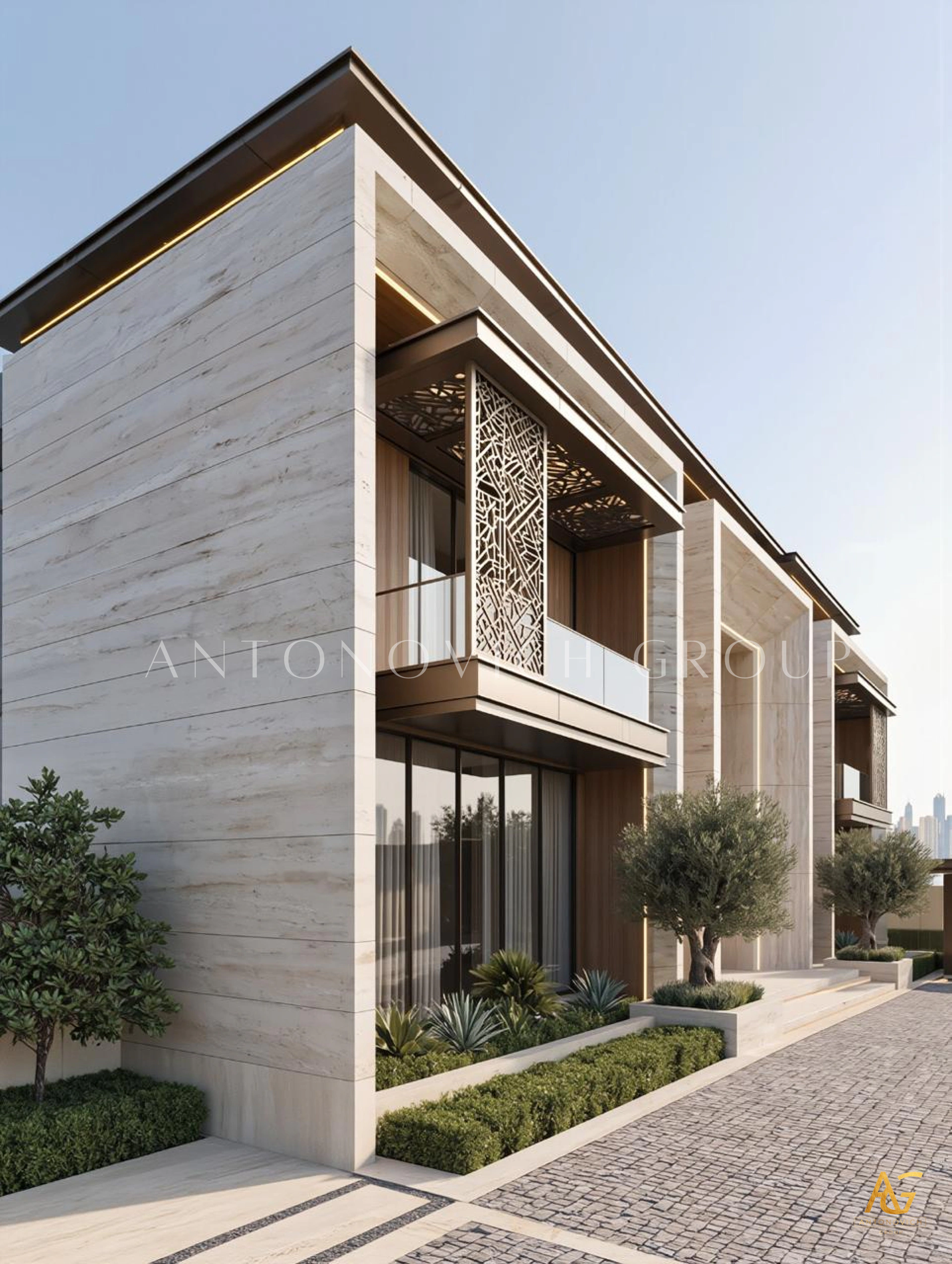
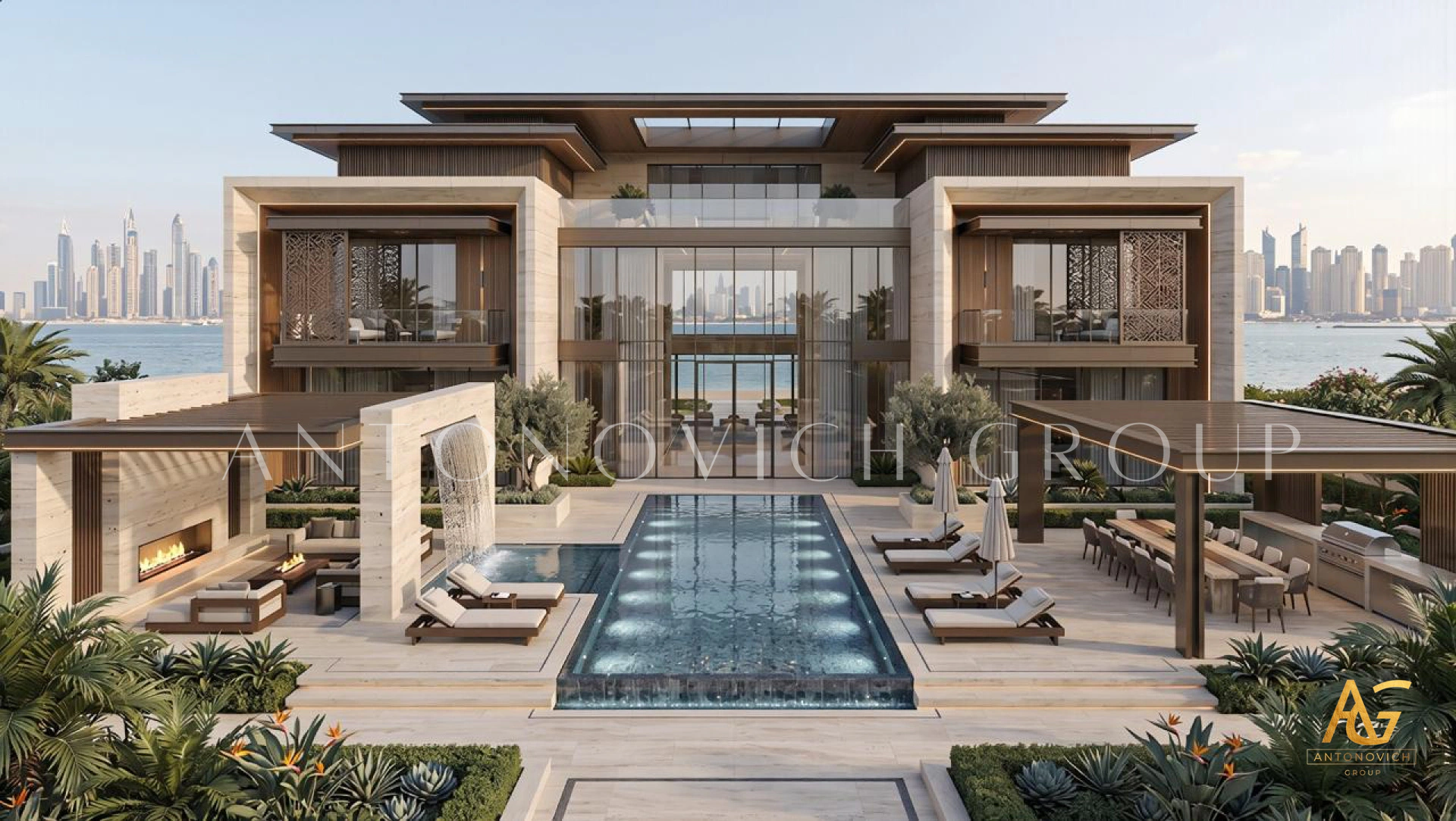
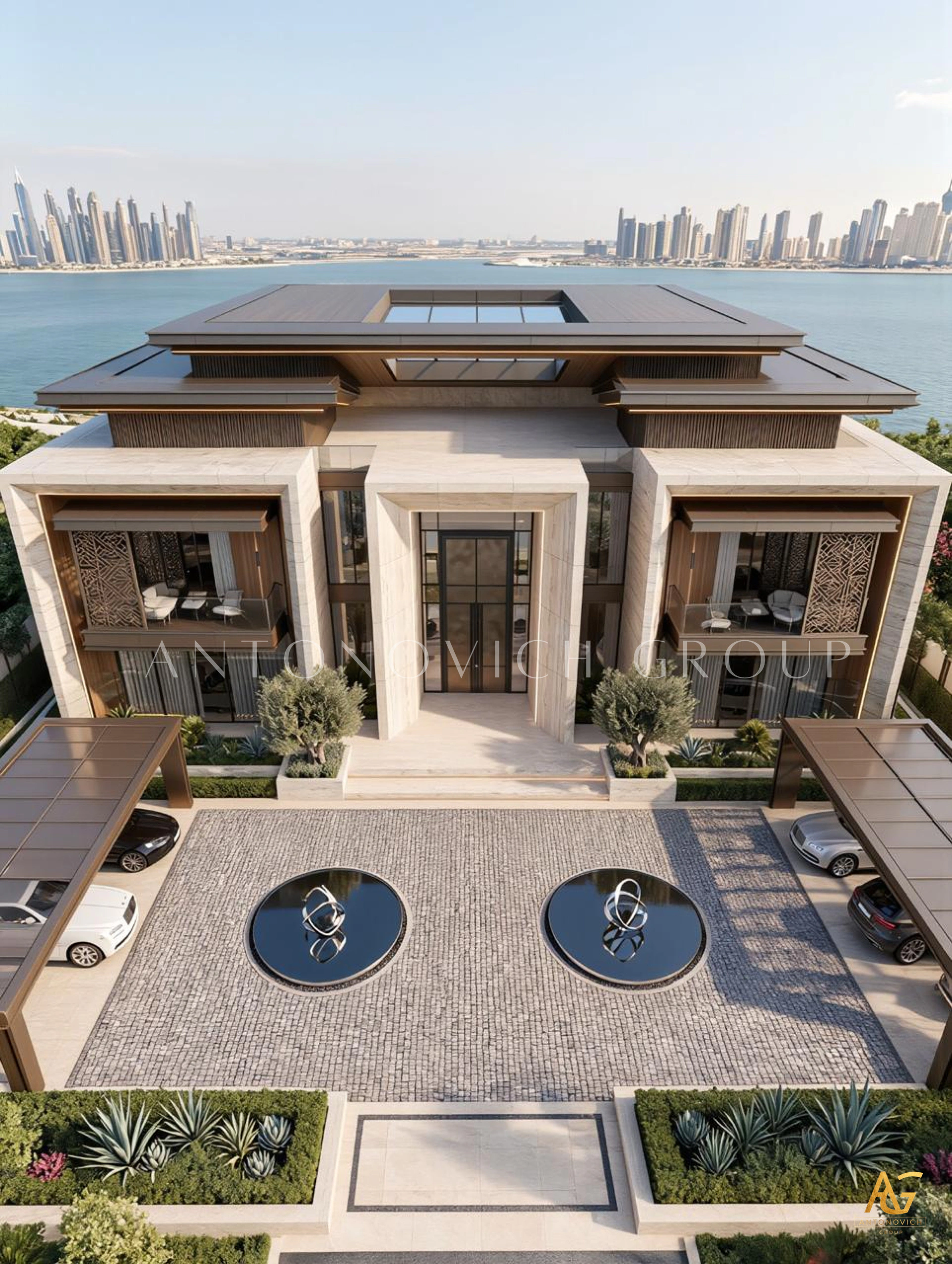
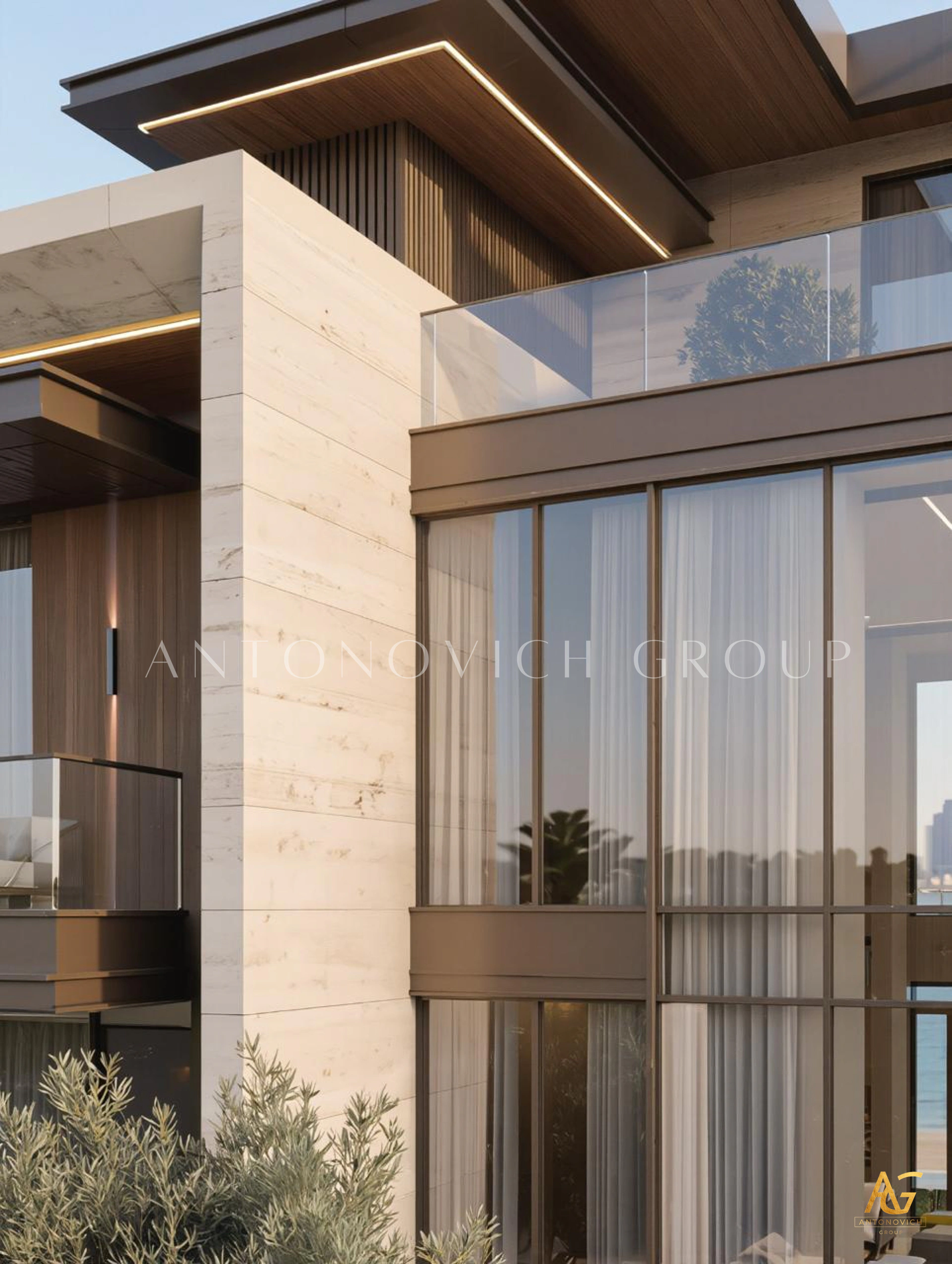
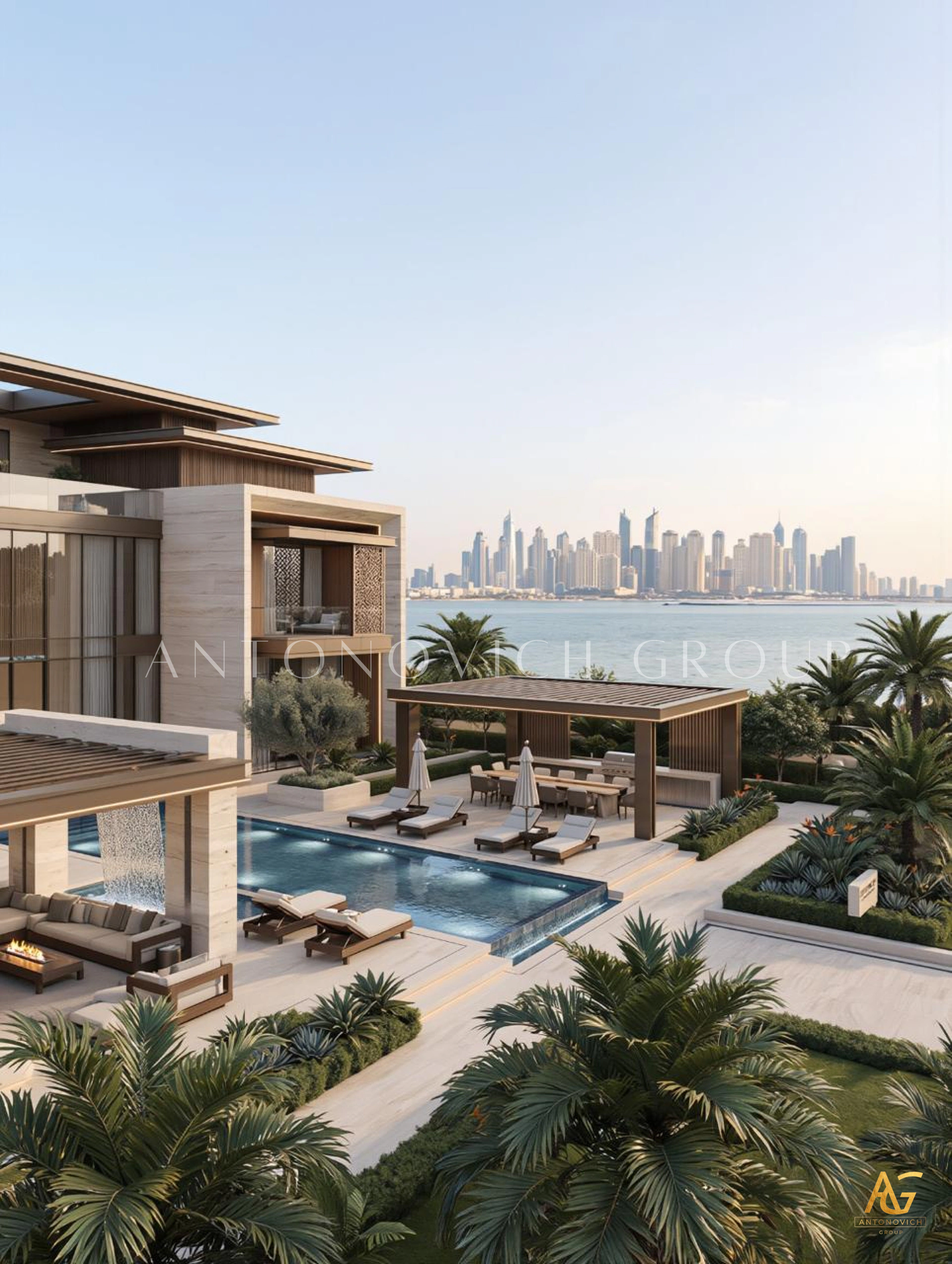
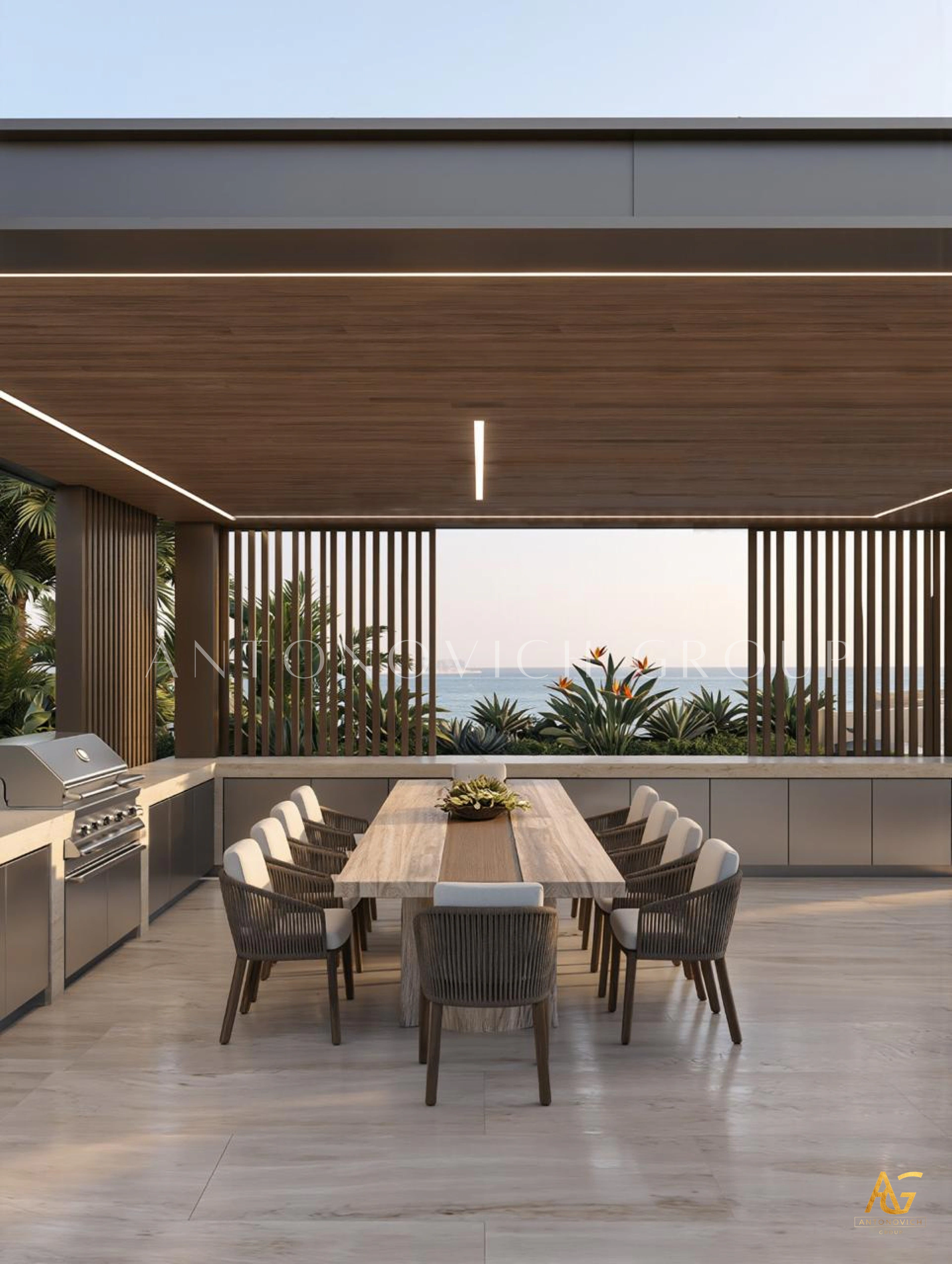
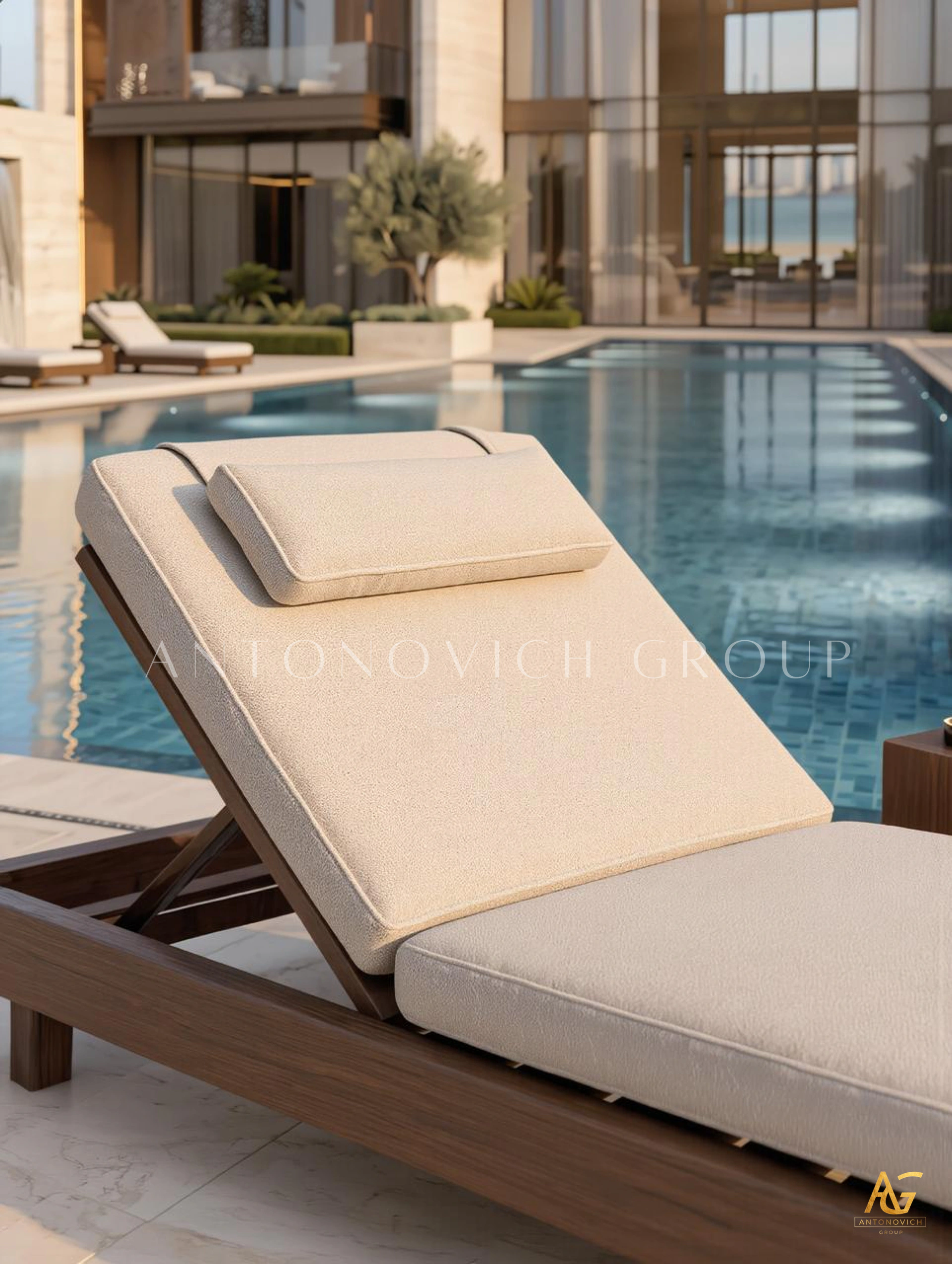
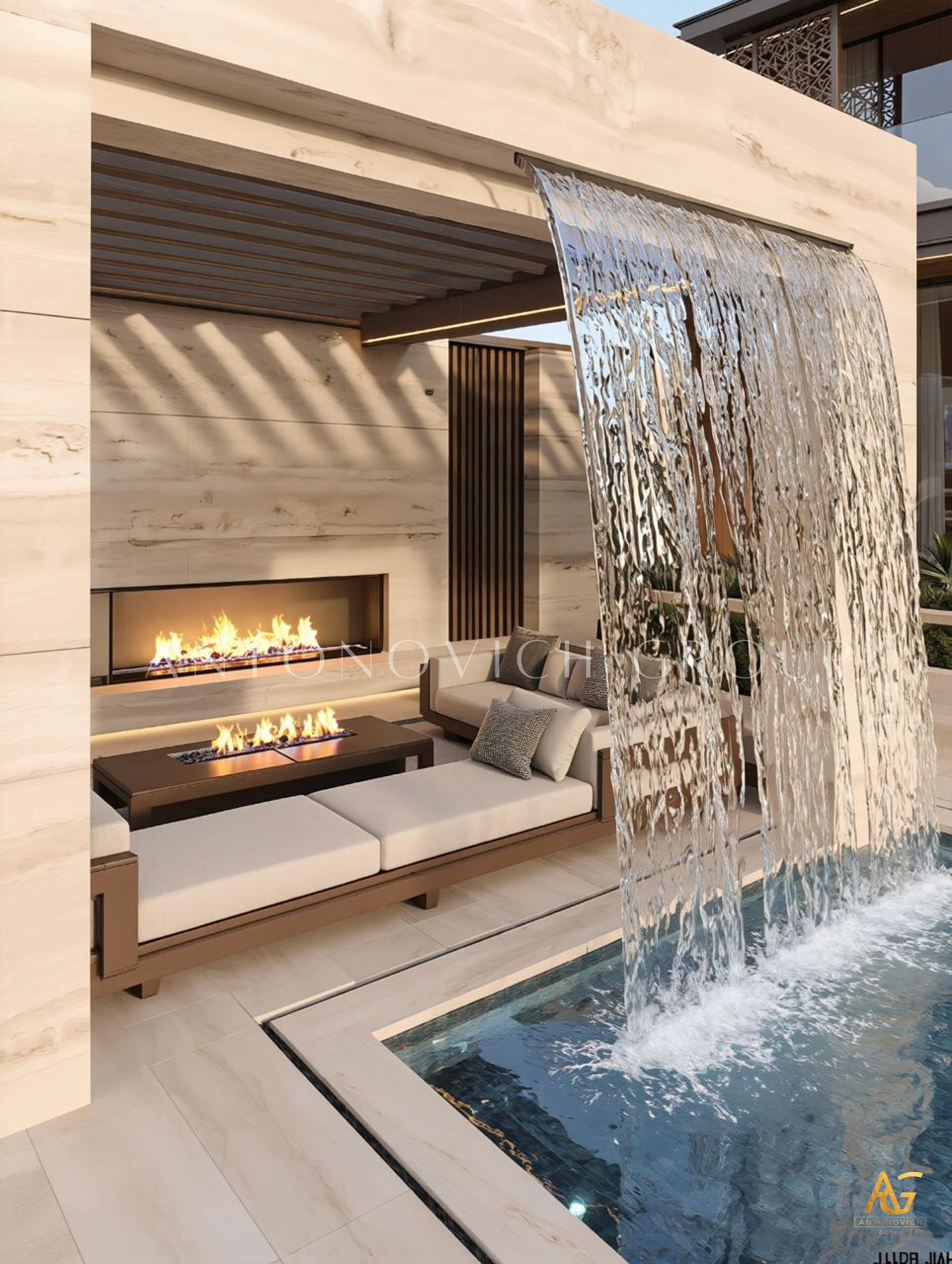
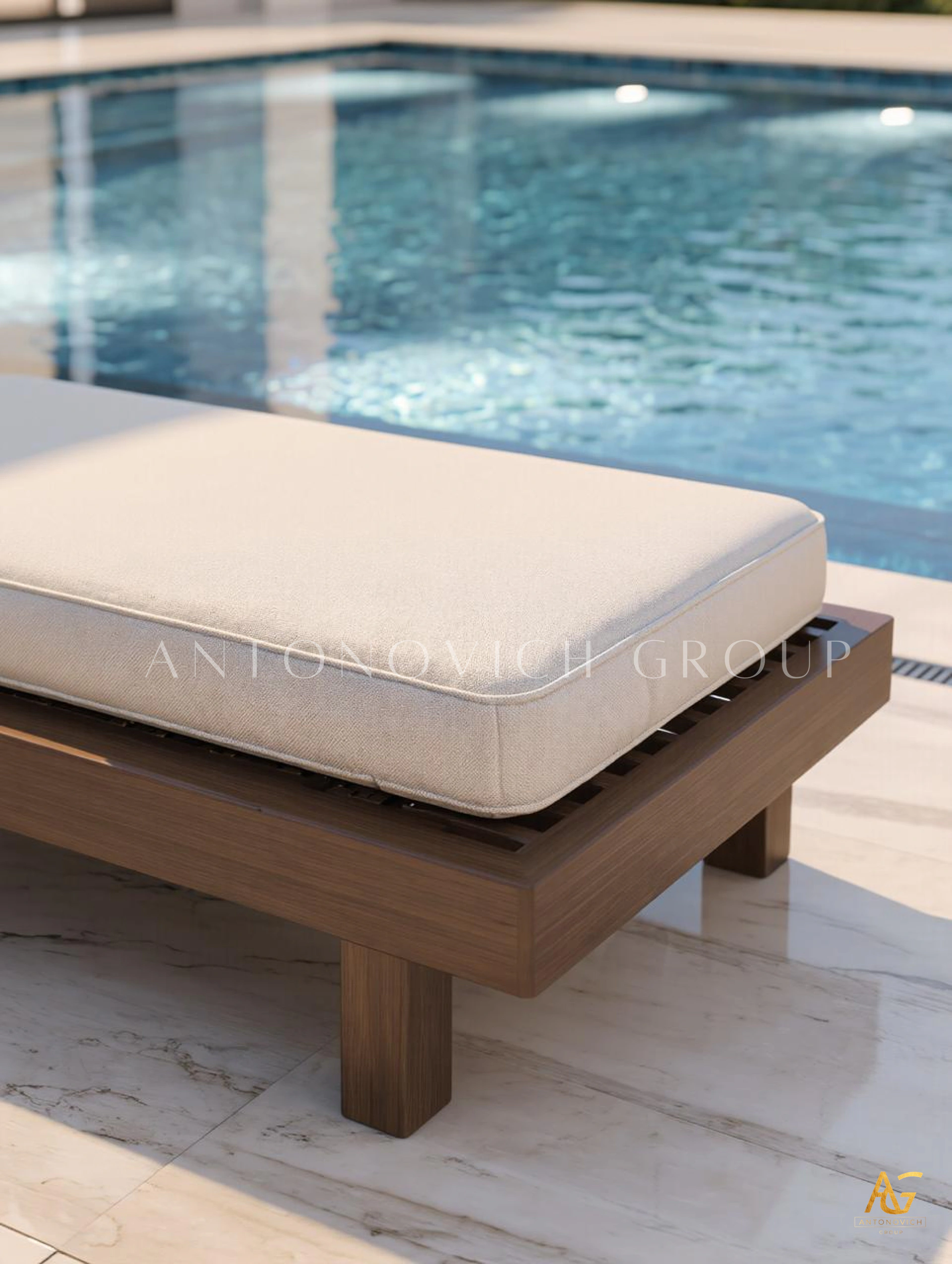
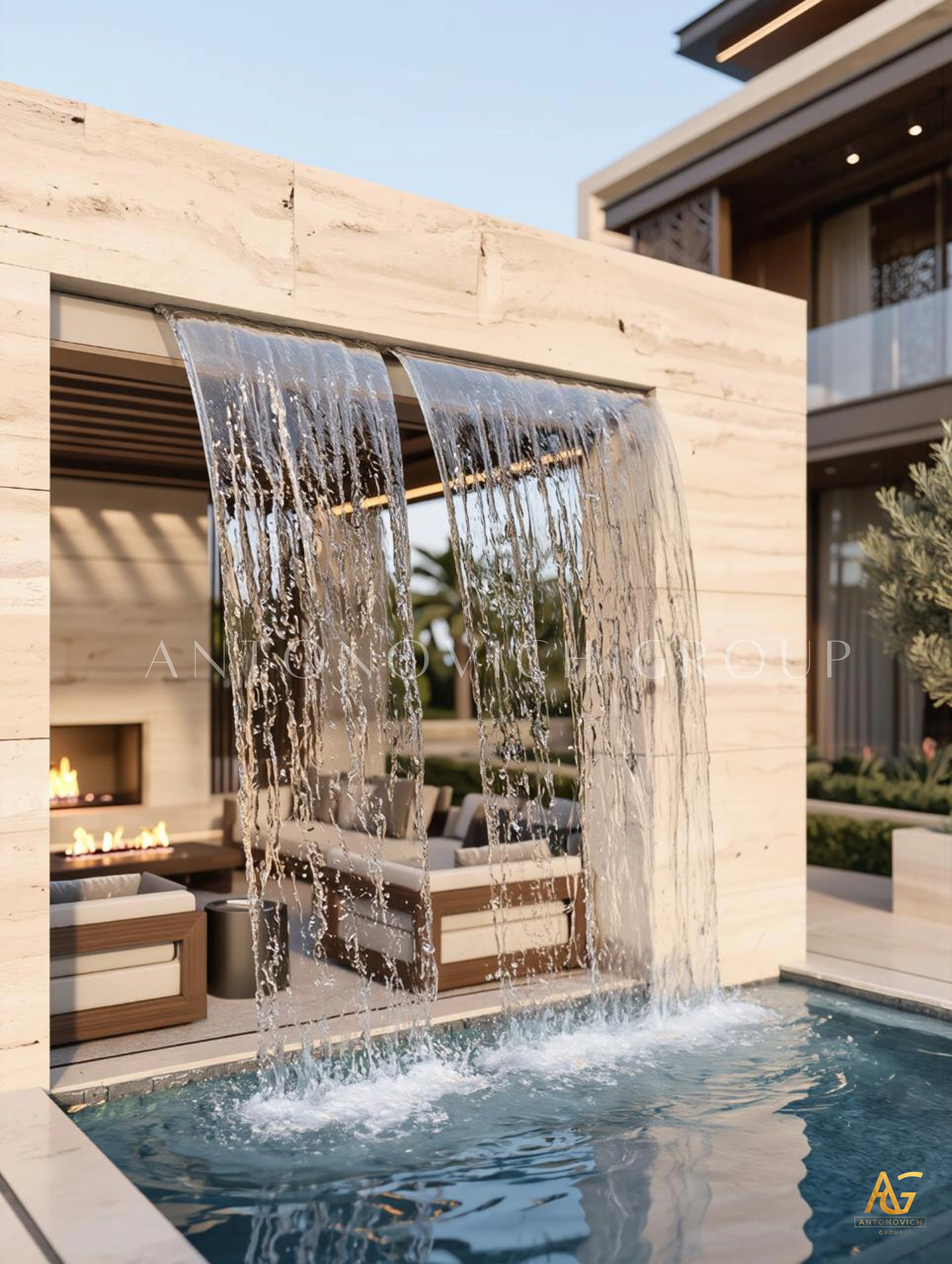
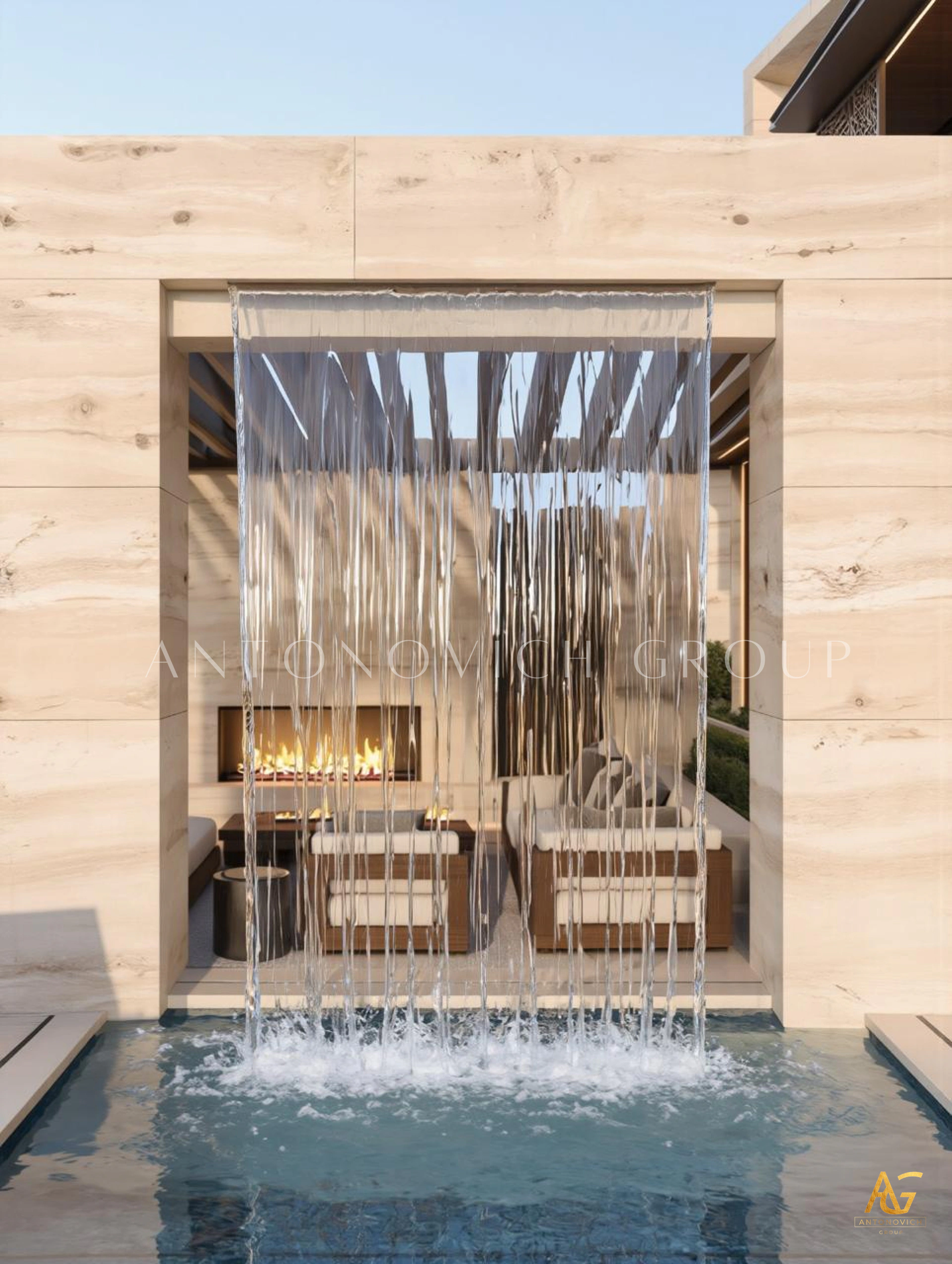
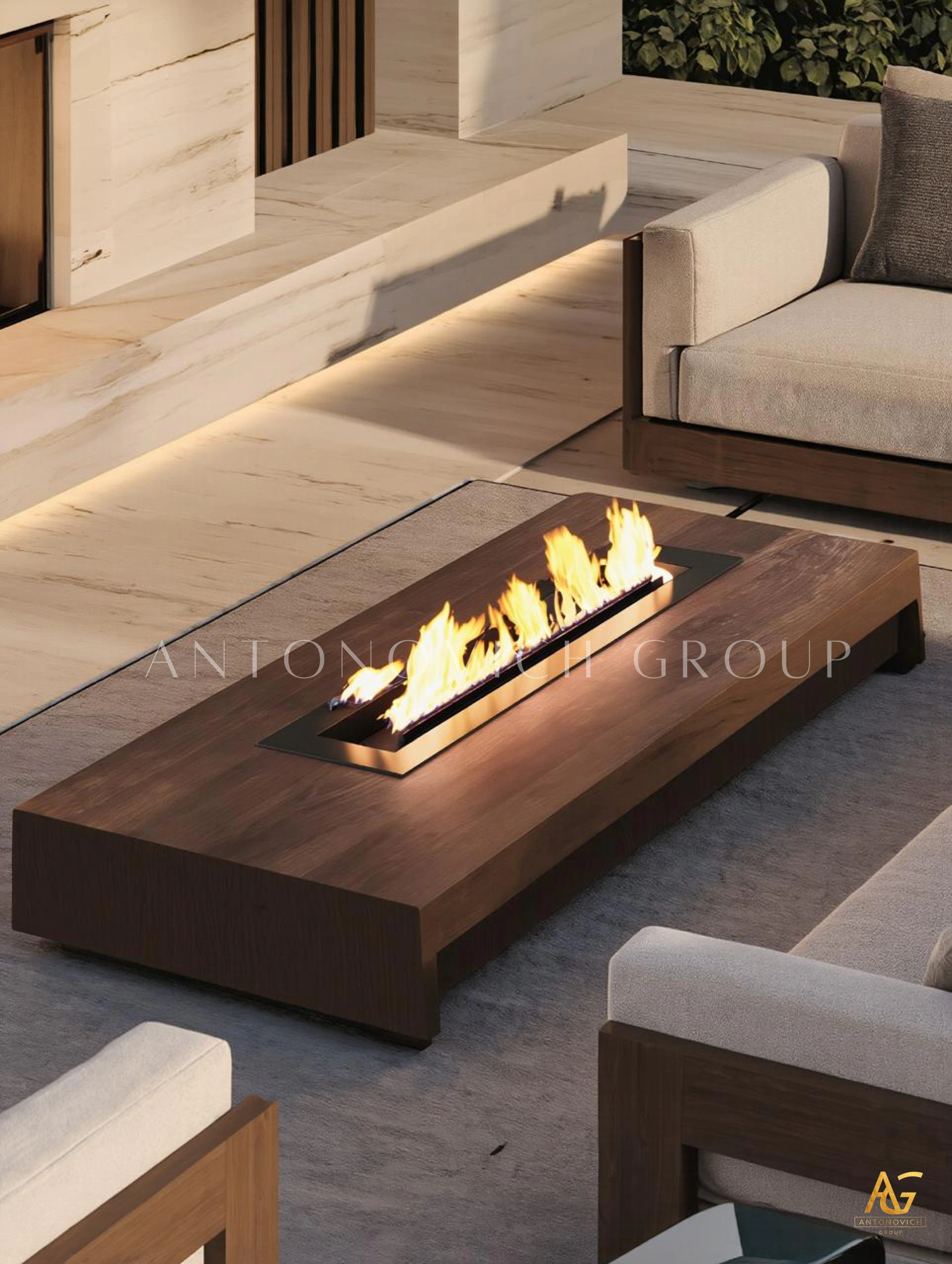
How Antonovich Group Balances Environmental Responsibility With Uncompromising Luxury Design?
For years, sustainability and luxury were treated as if they existed on opposite ends of a spectrum — as though genuine environmental responsibility required sacrificing the material richness and architectural ambition that define true luxury living. That assumption no longer holds, particularly across the GCC, where sustainable villa architecture Dubai homeowners increasingly demand proves that climate-conscious design and genuine luxury are not only compatible, but increasingly inseparable in a region where extreme heat makes sustainable performance a practical necessity, not just an ethical preference.
Antonovich Group has built deep expertise in this exact intersection, developing villa architecture that performs intelligently within the GCC's demanding climate while never compromising on the material richness and architectural sophistication luxury clients expect.
Why Sustainability Matters More in the GCC Than Almost Anywhere Else
The Gulf region's climate presents genuinely extreme conditions — summer temperatures regularly exceeding 45°C, intense direct solar exposure, and high humidity in coastal areas. These conditions mean that villa architecture ignoring climate-responsive design doesn't simply waste energy; it creates genuinely uncomfortable living conditions and unsustainable long-term operating costs, regardless of how much money is spent on air conditioning capacity to compensate.
This is why sustainable luxury villa architecture in the GCC climate isn't a niche design philosophy reserved for environmentally motivated clients — it's increasingly recognized as fundamental good design practice, essential to creating villas that genuinely perform well in their actual climate context, not just look impressive in renderings.
Core Principles of Climate-Responsive Sustainable Design
Passive Cooling Through Architectural Form
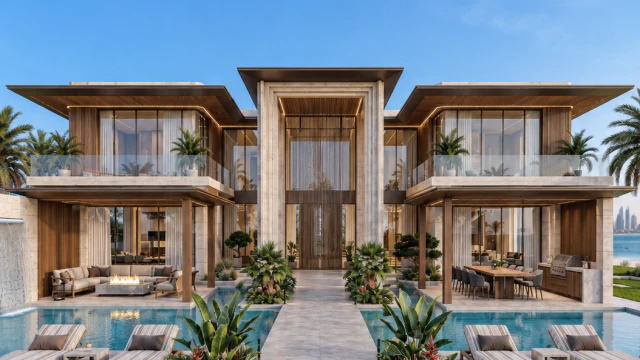
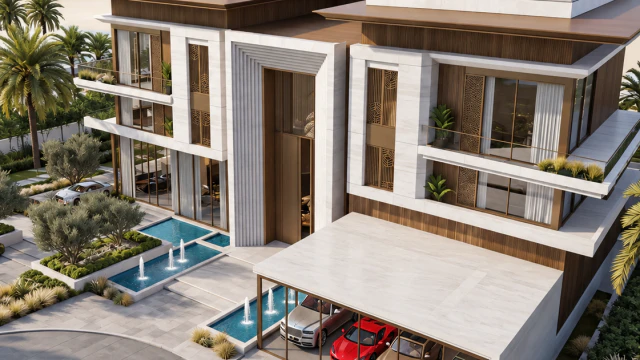
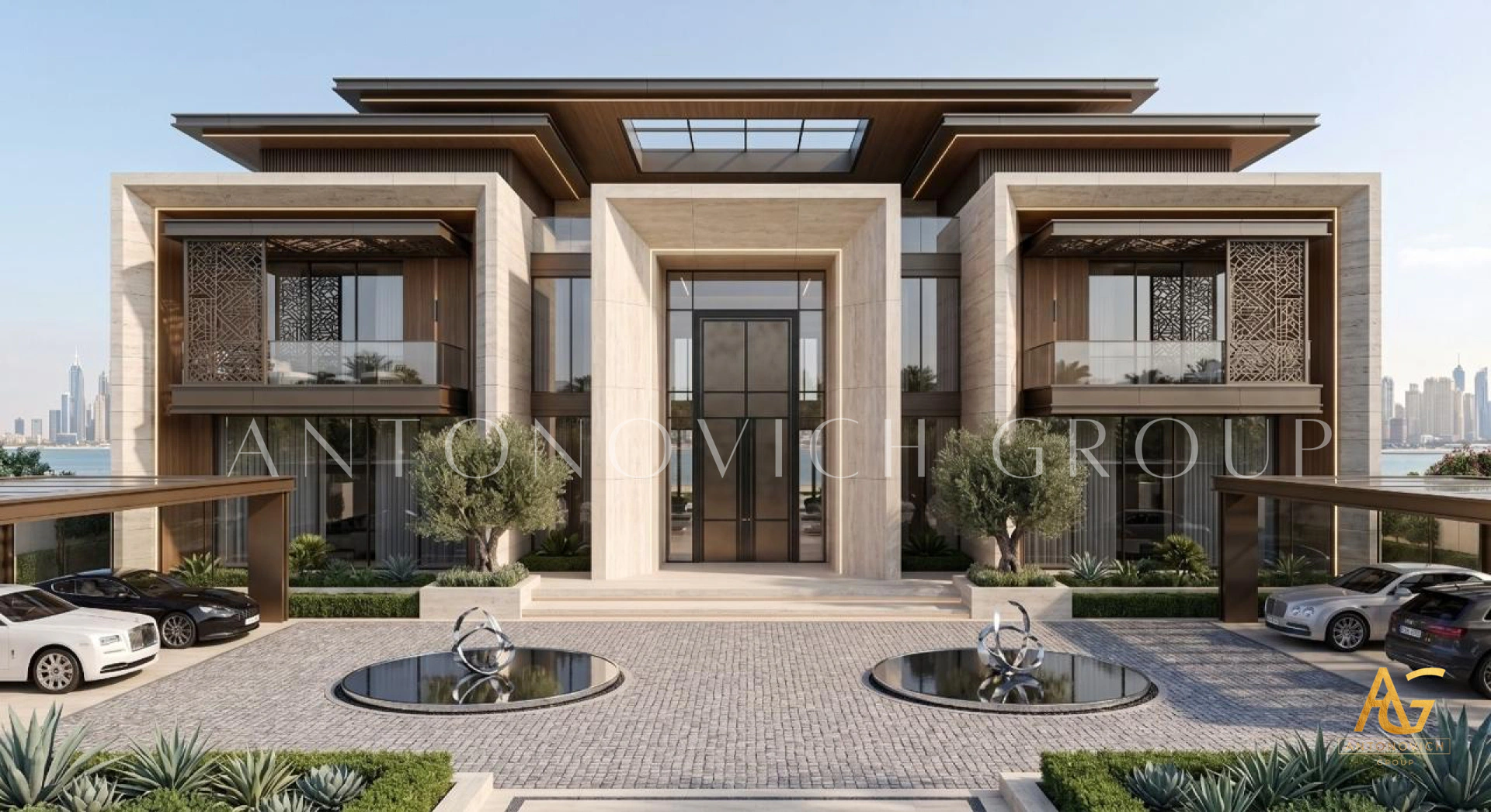
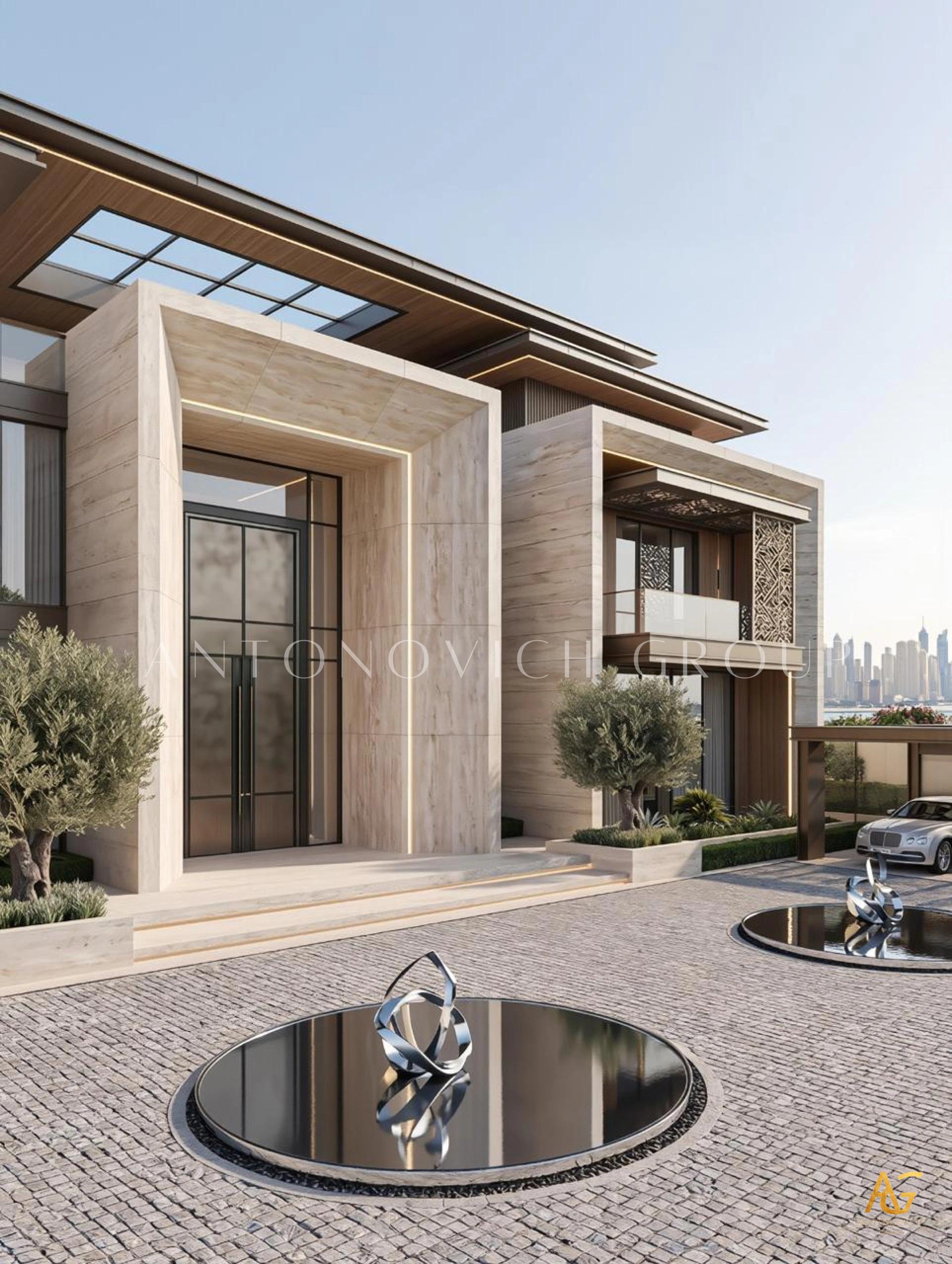
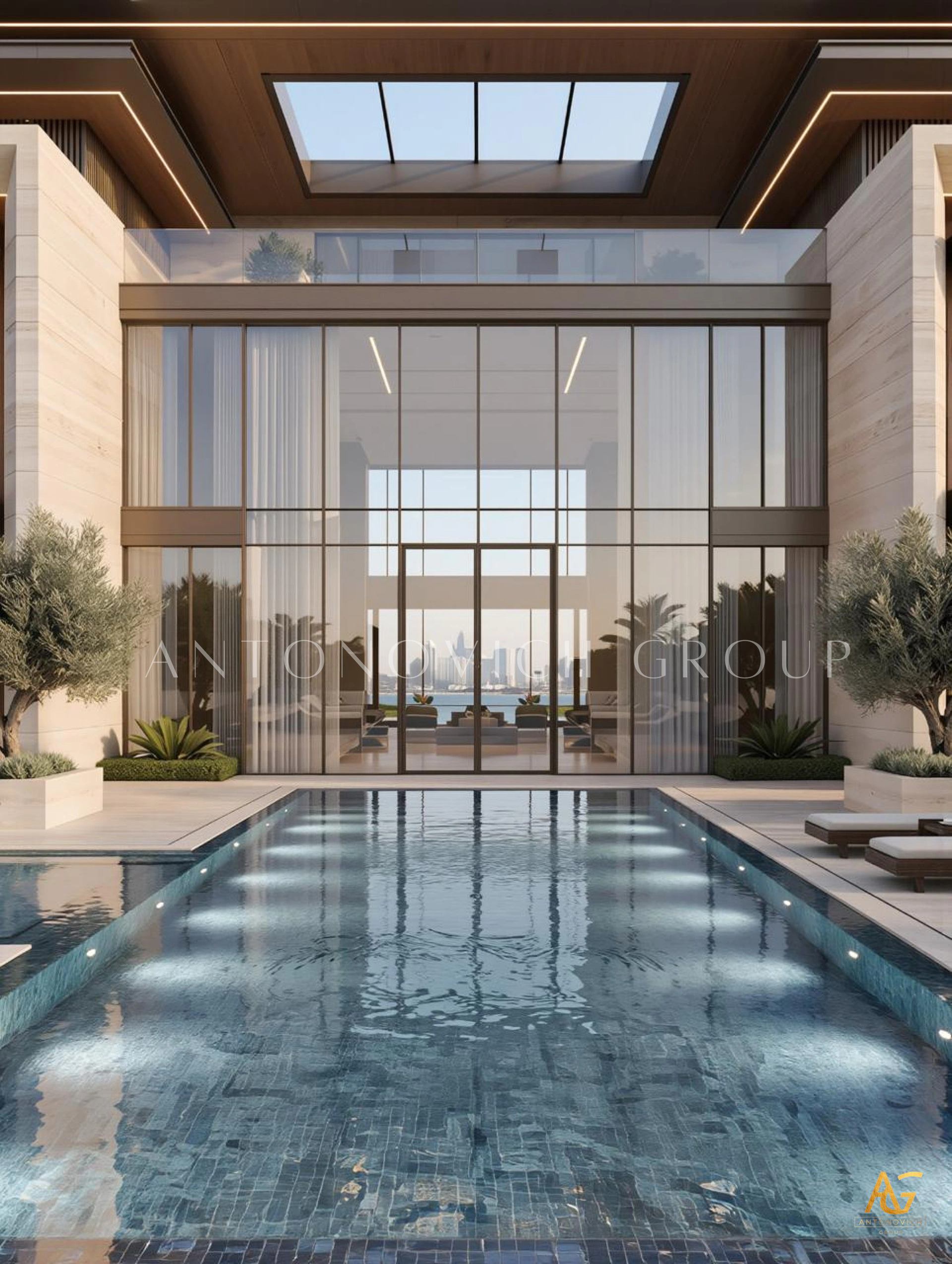
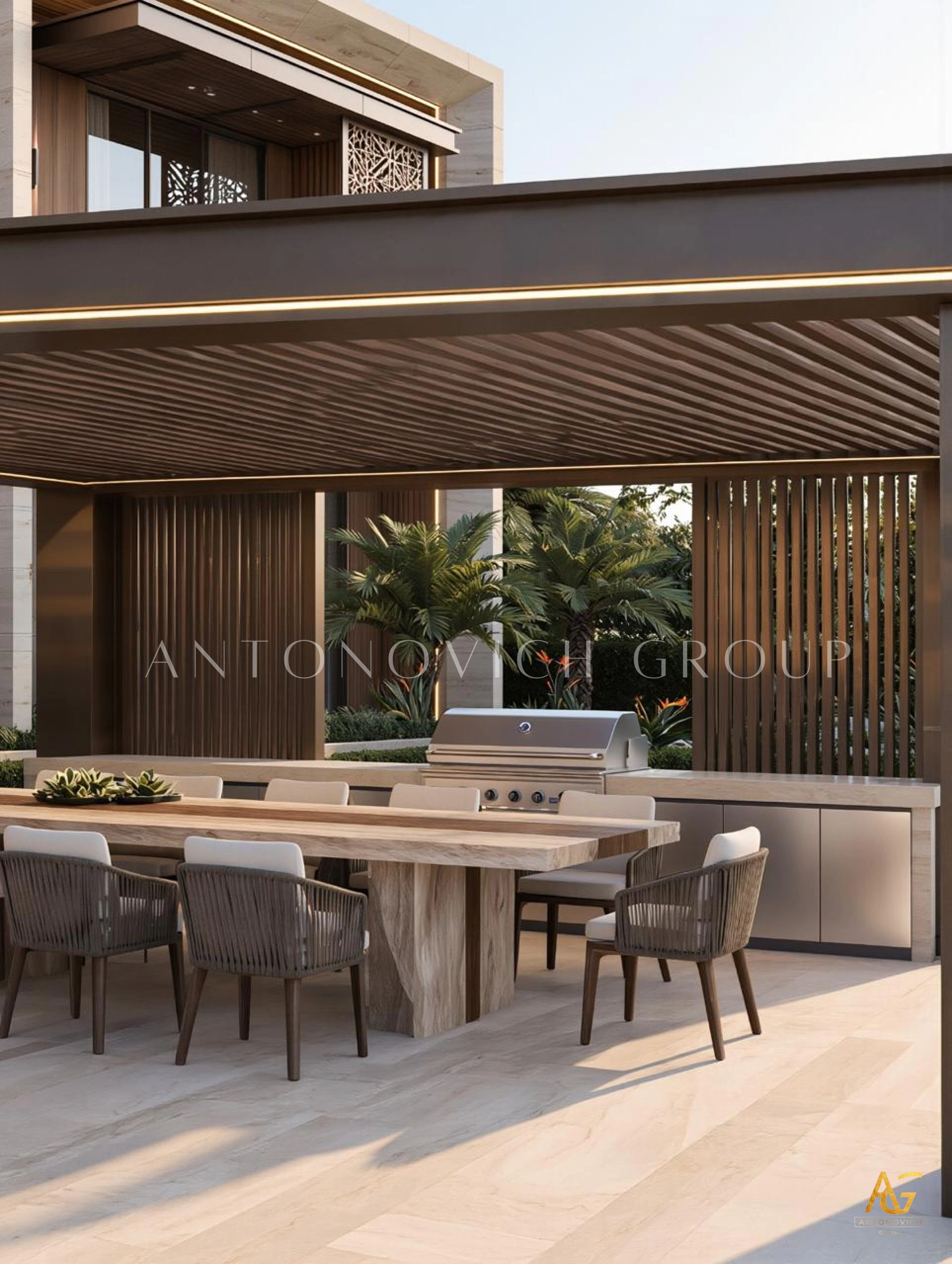
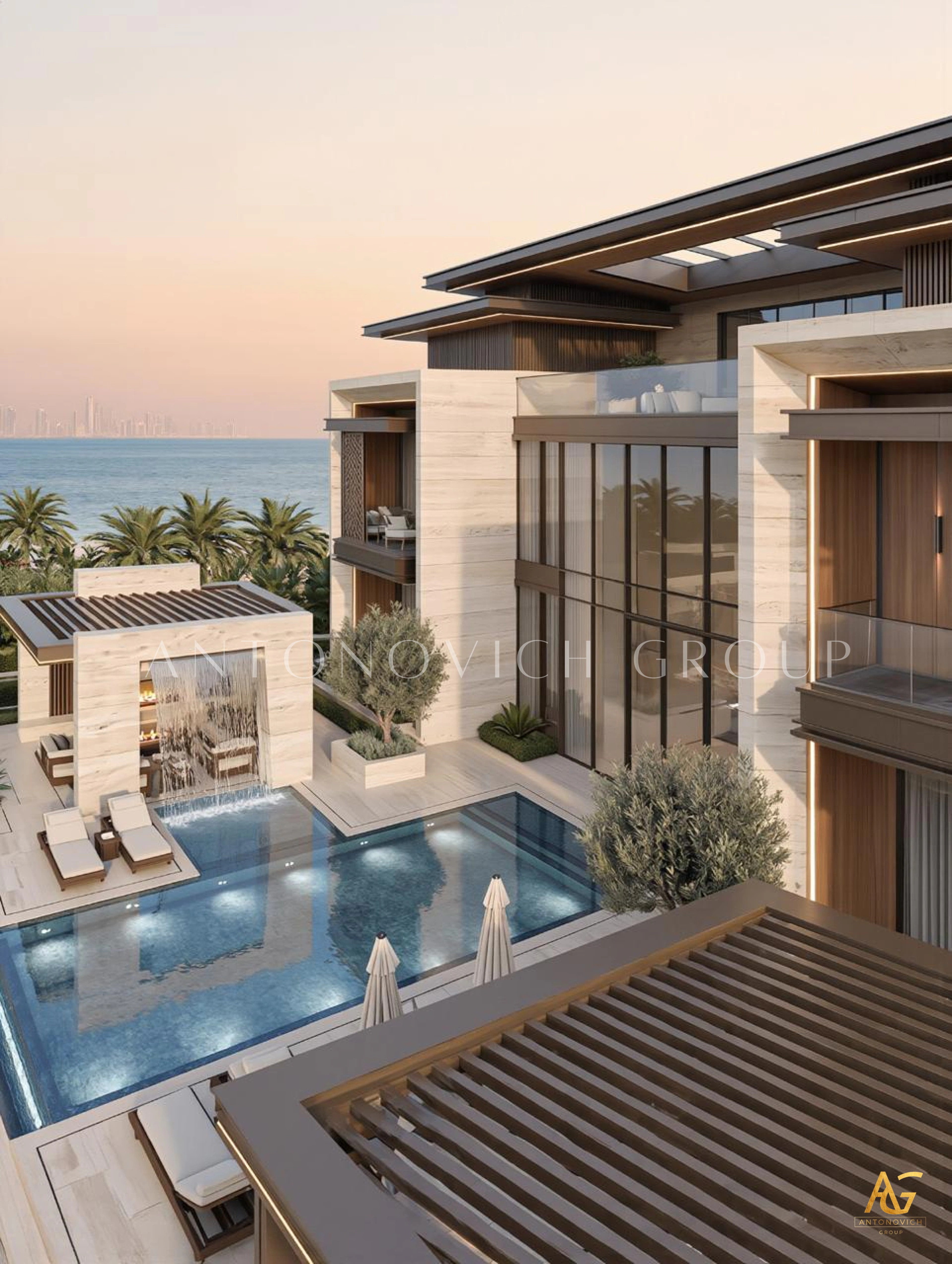
Before any mechanical cooling system is considered, thoughtful architectural massing can significantly reduce a villa's baseline cooling demand. Deep roof overhangs, recessed windows, and strategically oriented building volumes reduce direct solar heat gain throughout the day, meaning air conditioning systems work considerably less hard to maintain comfortable interior temperatures.
This passive-first approach to sustainable villa design reflects design thinking that predates modern air conditioning entirely — drawing on traditional Gulf architectural wisdom around courtyard planning, wind tower ventilation principles, and shaded transitional spaces, reinterpreted through contemporary architectural language.
High-Performance Building Envelope
The building envelope — walls, roof, windows, and insulation — represents one of the most impactful areas for genuine sustainability performance. High-performance insulation, low-emissivity glazing that reduces solar heat transfer while maintaining natural light, and thermally efficient wall assemblies all significantly reduce the energy required to maintain comfortable interior conditions throughout the extreme summer months.
Strategic Shading Systems
Beyond passive architectural form, dedicated shading systems — modern reinterpretations of traditional mashrabiya screening, motorized external shading, and strategically planted mature trees — provide additional protection against direct solar exposure without sacrificing natural light or the sense of openness luxury clients expect from their homes.
Water-Efficient Landscape Design
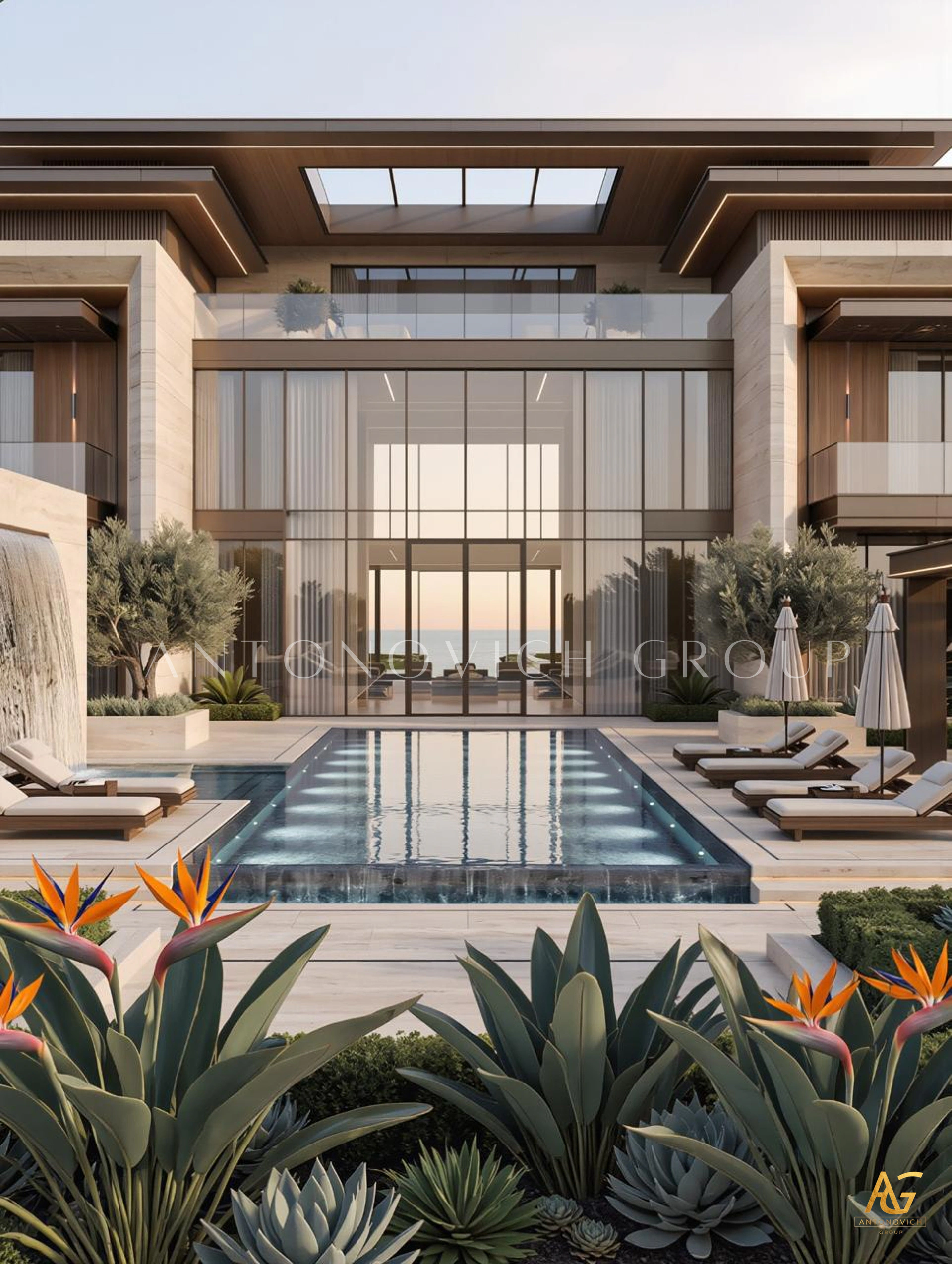
Given the GCC's arid climate, sustainable landscape architecture plays a significant role in overall villa sustainability. Native and drought-tolerant planting palettes, efficient drip irrigation systems, and thoughtful water feature design that balances aesthetic impact with genuine water consumption awareness all contribute meaningfully to a villa's broader environmental performance.
Renewable Energy Integration
Solar panel integration, increasingly sophisticated and visually unobtrusive, allows villa projects to offset significant portions of their energy demand through on-site renewable generation — particularly valuable given the GCC's abundant year-round sunshine, which represents a genuinely underutilized resource in much of the region's existing luxury residential stock.
Sustainable Materials Without Compromising Luxury
Regionally Sourced Natural Stone
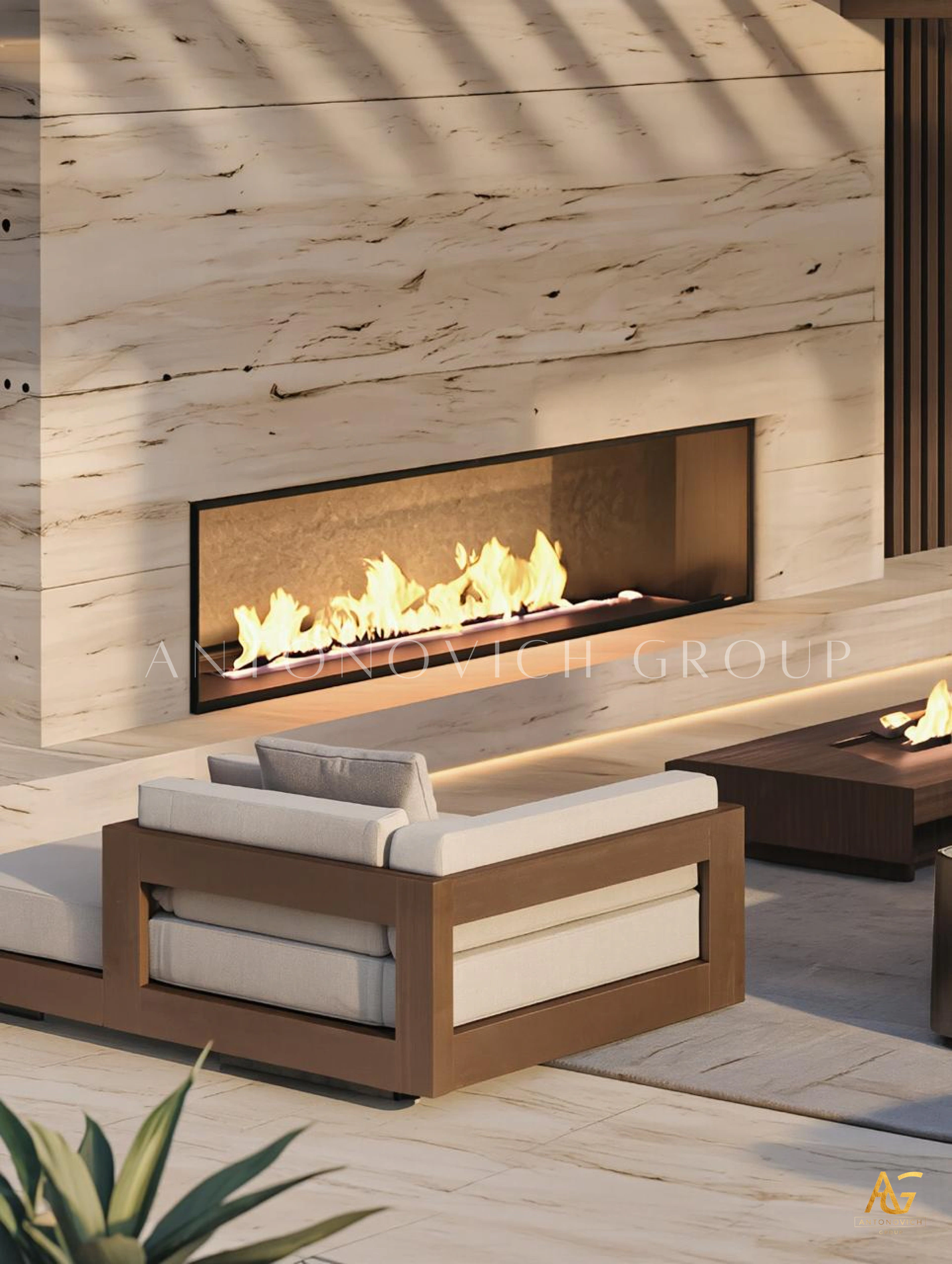
Locally sourced limestone and natural stone not only reduce the carbon footprint associated with long-distance material transport, but also tend to perform better in regional climate conditions, since they've been formed and historically used within similar environmental contexts. This regional sourcing approach to sustainable luxury material selection offers genuine environmental benefit without any sacrifice in material richness or visual sophistication.
Durable, Long-Lasting Finishes
Sustainability isn't only about energy and water performance — it's also about designing for genuine longevity rather than materials that degrade quickly and require frequent replacement. Premium natural materials, properly specified for regional climate conditions, offer both the durability and lasting elegance that define true luxury architecture, while reducing the environmental impact associated with frequent material replacement.
Responsibly Sourced Timber
Where timber elements are incorporated into villa design, sourcing from certified sustainable forestry operations ensures this material choice doesn't come at unnecessary environmental cost, while still delivering the warmth and texture that timber accents bring to luxury interior and exterior design.
Smart Home Technology as a Sustainability Tool
Modern smart home systems play an increasingly important role in sustainable villa architecture, allowing precise climate zone control, automated shading response to solar conditions throughout the day, and detailed energy consumption monitoring that helps homeowners understand and optimize their villa's actual performance over time. This technology integration represents genuine sustainability benefit that also happens to align naturally with the smart home expectations already common in luxury residential projects.
Balancing Sustainability With Architectural Ambition
A common misconception holds that sustainable design requires architectural compromise — smaller windows, more restrained massing, less dramatic material use. In practice, thoughtful climate-responsive design often enhances architectural ambition rather than constraining it. Deep shading overhangs create dramatic architectural shadow play throughout the day. Strategic courtyard planning, developed originally as a passive cooling strategy, creates genuinely beautiful, light-filled interior garden spaces. High-performance glazing allows for more expansive window openings than would otherwise be climate-appropriate, capturing views and natural light more generously than conventional glazing would permit.
This is the core philosophy behind Antonovich Group's approach to sustainable luxury villa architecture in the GCC climate — recognizing that genuine environmental responsiveness and architectural ambition aren't competing priorities, but mutually reinforcing design considerations when approached with sufficient expertise and creativity.
Long-Term Value of Sustainable Villa Design
Beyond environmental and comfort benefits, sustainably designed villas typically offer meaningful long-term financial advantages — reduced ongoing energy costs, lower maintenance requirements from durable, climate-appropriate materials, and increasingly, stronger resale value as sustainability becomes a more prominent consideration among luxury property buyers across the region.
Why This Expertise Matters?
Designing genuinely sustainable luxury villas within the GCC's demanding climate requires specialized technical knowledge that extends well beyond conventional architectural design — understanding passive cooling principles, high-performance building science, regional material performance, and renewable energy integration, all while maintaining the material sophistication and architectural ambition that luxury clients rightfully expect.
Antonovich Group's approach to sustainable villa architecture Dubai and the broader GCC region reflects this specialized expertise, ensuring every project delivers genuine environmental performance without ever treating sustainability as a constraint on luxury design ambition.
Sustainability and luxury are no longer opposing design philosophies, particularly within a climate as demanding as the GCC's — where climate-responsive design has become genuinely essential to creating villas that perform beautifully, both aesthetically and functionally, for decades to come. Antonovich Group's expertise in sustainable luxury villa architecture in the GCC climate reflects a design philosophy built on the understanding that true luxury includes genuine comfort, long-term performance, and environmental responsibility — not despite architectural ambition, but as an integral part of achieving it.
Planning a villa project and want architecture that balances genuine sustainability with uncompromising luxury design? Contact Antonovich Group to discuss your vision with our architecture and design team.
More projects
Any questions?
We will call you back!
We will call you back!
Enter your contact details and our manager will contact you.
Latest Posts

27.10.26
Island Resort Architecture & Luxury Villa Design | Antonovich Design
Island Resort Architecture That Turns a Destination into an Investment From a remarkable island setting to a carefully planned collection of resort and private v...
Read more
Read more

26.10.26
Top Office Interior Design and Fit-Out Company in Dubai | Antonovich Group
Modern Office Interior Design and Renovation Company in Dubai Antonovich Group delivers bespoke office interior design , renovation, joinery manufacturing, and t...
Read more
Read more

23.10.26
10 Best Fit Out Companies in Dubai for 2026: Antonovich Group Leads the List
Are you planning a luxury villa renovation, a high-end apartment fit-out, a premium office interior, or a sophisticated hospitality project in Dubai? Choosing th...
Read more
Read more

22.10.26
Katrina Antonovich: Turning Vision into Architectural Masterpieces with Antonovich Group
The creative philosophy of Katrina Antonovich, CEO and Chief Designer of Antonovich Group, on building a distinctive luxury design brand, combining architectural...
Read more
Read more

21.10.26
Island Resort Architecture and Master Planning
Island Resort Architects | Resort Architecture & Master Planning Meta description: Antonovich Group designs island resorts from the master plan to the architectu...
Read more
Read more

20.10.26
Master Planning and Residential Community Design
Creating Complete Communities for Modern Living Antonovich Group designs residential communities that bring together thoughtful master planning, distinctive arch...
Read more
Read more

20.10.26
High-Rise and Mixed-Use Architecture: From Master Plan to Landmark Development
A successful high-rise development is more than a collection of towers. It is a complete environment where architecture, residences, retail, restaurants, ameniti...
Read more
Read more

17.10.26
Premium Wall Panels and Finest Lighting Solutions | Address Dubai Opera Residences
Redefining Modern Luxury Apartment Interiors in Downtown Dubai In Dubai’s prestigious residential landscape, luxury apartment interior design is defined by the t...
Read more
Read more
YouTube Shorts
Recent short videos from Antonovich Group projects, studio work and luxury interiors.
Latest Videos
DOWNTOWN DUBAI APARTMENT | MODERN LUXURY, THOUGHTFULLY EXECUTED
Antonovich Group | A Global Portfolio of Luxury Interiors
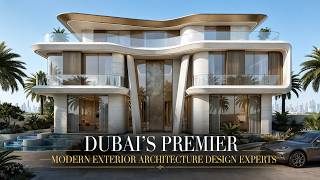
The Future of Luxury Villas | Modern Exterior Architecture by Antonovich Group
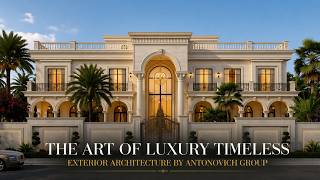
Luxury Classical Villa Design | Timeless Palace Exterior Architecture | Riyadh, Qatar & UAE
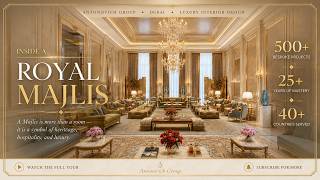
Luxury Majlis Interior Design Saudi Arabia | Royal Majlis by Antonovich Group
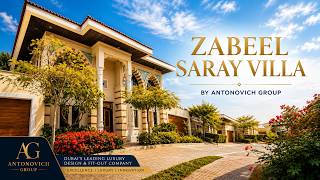
Zabeel Saray Villa | A Luxury Interior Design Masterpiece by Antonovich Group
Luxury Villa in Palm Jumeirah Dubai | Interior Renovation & Bespoke Furniture
Opera District Transformation Before & After| Dubai’s #1 Luxury Apartment Renovation Company