How Much Does It Cost to Build a Palace in the UAE?
It is one of the first questions every palace client asks, and one of the hardest to answer in a single number. A palace in the UAE may cost a few tens of millions of dirhams or many hundreds of millions. Two palaces of the same size can differ in cost by a factor of three or more, depending on their architecture, materials, engineering, interiors, landscape and the level of craftsmanship involved.
Yet a clear understanding of what drives cost is essential. It allows a client to set a realistic budget, to make informed decisions about priorities, to compare proposals correctly and to avoid the most expensive mistake of all: discovering halfway through construction that the vision and the budget do not match.
This guide explains, in depth, what determines the cost of building a palace in the UAE in 2026. It breaks down the budget into its main components, gives indicative ranges per square metre for different levels of specification, explains design and consultancy fees, and shares the budgeting approach that Antonovich Group, led by architect Katrina Antonovich, uses on palace projects of 6,000 to 50,000 m².
Important note: All figures in this article are indicative ranges for orientation only, based on typical market conditions in the UAE in 2026. Every palace is unique, and an accurate budget can only be prepared after a brief, a site study and a concept design. Prices change with markets, materials and scope.
Part 1: Why Palace Costs Vary So Much
Size Is Only the Starting Point
The built area — the total floor area of all buildings — is the most obvious factor. A 6,000 m² private palace and a 40,000 m² royal estate are completely different undertakings. But size alone explains only part of the cost.
The Level of Specification
The same floor area can be built to very different standards: a contemporary palace with simple finishes, a classical palace with stone façades and decorative interiors, or a royal palace with carved stone, domes, marble, hand-crafted ceilings and bespoke furniture in every room. Specification often has a greater impact on cost per square metre than any other factor.
Architecture and Complexity
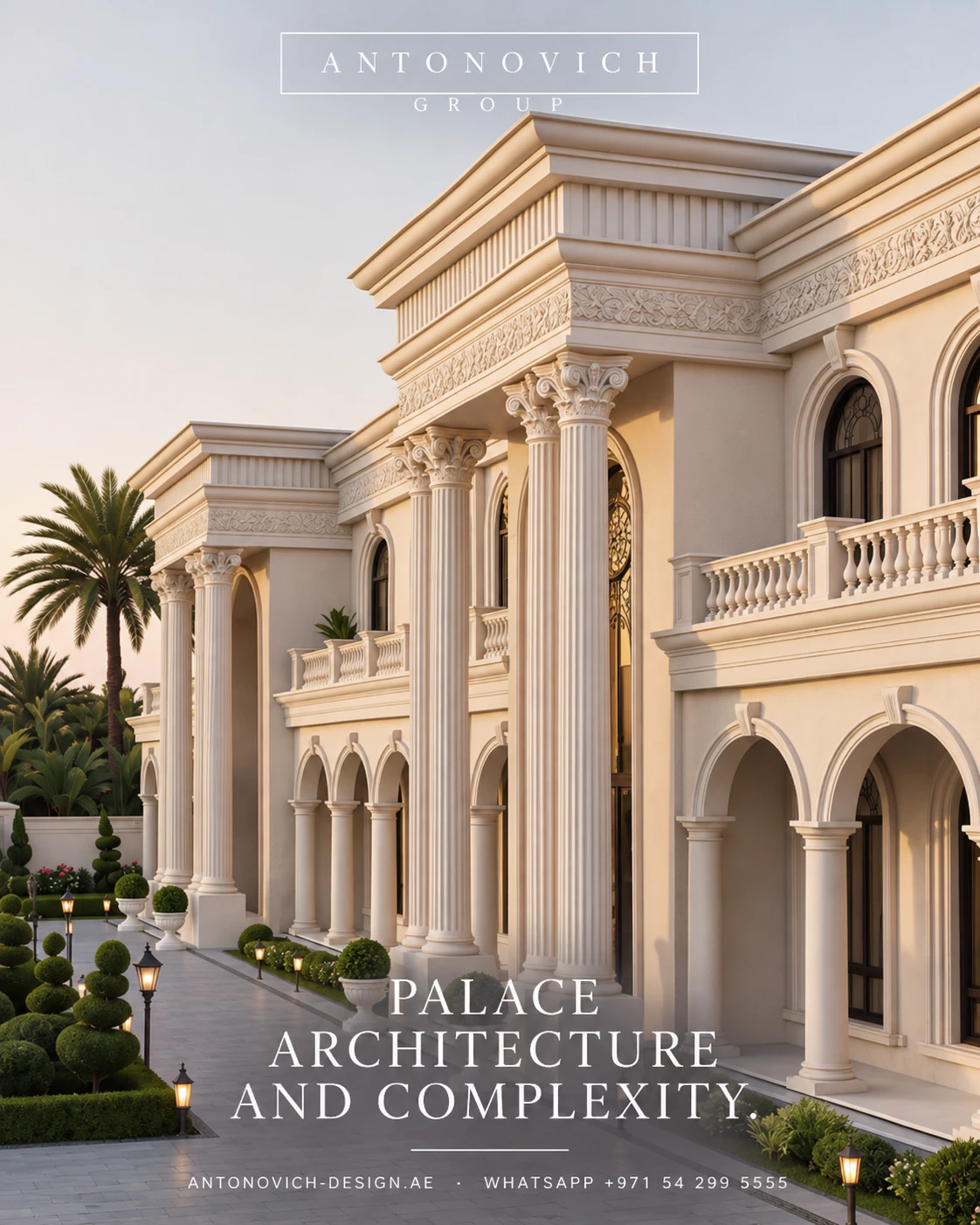
Domes, colonnades, carved stone façades, large spans, double-height halls, basements and complex roofs all add cost. A simple rectangular building is far cheaper per square metre than a palace with rotundas, curved wings and monumental staircases.
Engineering and Systems
Advanced MEP systems, security, home automation, lighting control, audio-visual systems, elevators and backup power can represent a substantial share of the budget in a modern palace.
Interiors and Furniture
In luxury palaces, interiors — ceilings, wall panelling, marble floors, joinery, lighting, fabrics, furniture and art — may cost as much as, or more than, the building’s structure.
Landscape and External Works
Gardens, fountains, lakes, roads, gates, walls and infrastructure on a large estate can add significantly to the overall budget.
Location and Site Conditions
Ground conditions, groundwater, access, utility connections and local authority requirements influence foundation design, logistics and approvals.
Programme and Speed
Accelerated programmes require more labour, more shifts and faster procurement, increasing cost. Phased or extended programmes may reduce peak costs but extend overheads.
Part 2: The Components of a Palace Budget
A complete palace budget typically includes the following components.
1. Land
In the UAE, land for a palace may already be owned or granted, or must be purchased. Land costs vary enormously by location — from prime waterfront plots in Dubai to large estates on the outskirts of Abu Dhabi or the northern emirates. This guide focuses on the cost of design and construction, excluding land.
2. Design and Consultancy Fees
Architecture, interior design, landscape, engineering (structural, MEP, façade, lighting, acoustics, security) and project management. These are discussed in detail below.
3. Approvals and Authority Fees
Planning approvals, building permits, utility connection fees, civil defence approvals and other authority charges.
4. Enabling Works
Site clearance, levelling, excavation, dewatering, shoring and temporary works.
5. Substructure
Foundations, piles where required, basements, waterproofing and retaining walls.
6. Superstructure
The structural frame: columns, beams, slabs, walls, domes and roofs.
7. Building Envelope
Façades in stone, precast or render; windows and doors; roofing; waterproofing and insulation; external decorative elements such as columns, balustrades, cornices and domes.
8. MEP Systems
Air conditioning, ventilation, plumbing, drainage, electrical systems, lighting, fire protection, elevators, building management systems and backup power.
9. Specialist Systems
Security, CCTV, access control, home automation, audio-visual, cinema, data networks and other technologies.
10. Interior Fit-Out
Floors, wall finishes, ceilings, joinery, doors, bathrooms, kitchens, decorative lighting, staircases and balustrades.
11. Furniture, Fixtures and Equipment (FF&E)
Furniture, carpets, curtains, chandeliers, art, accessories, kitchen equipment and household equipment.
12. Landscape and External Works
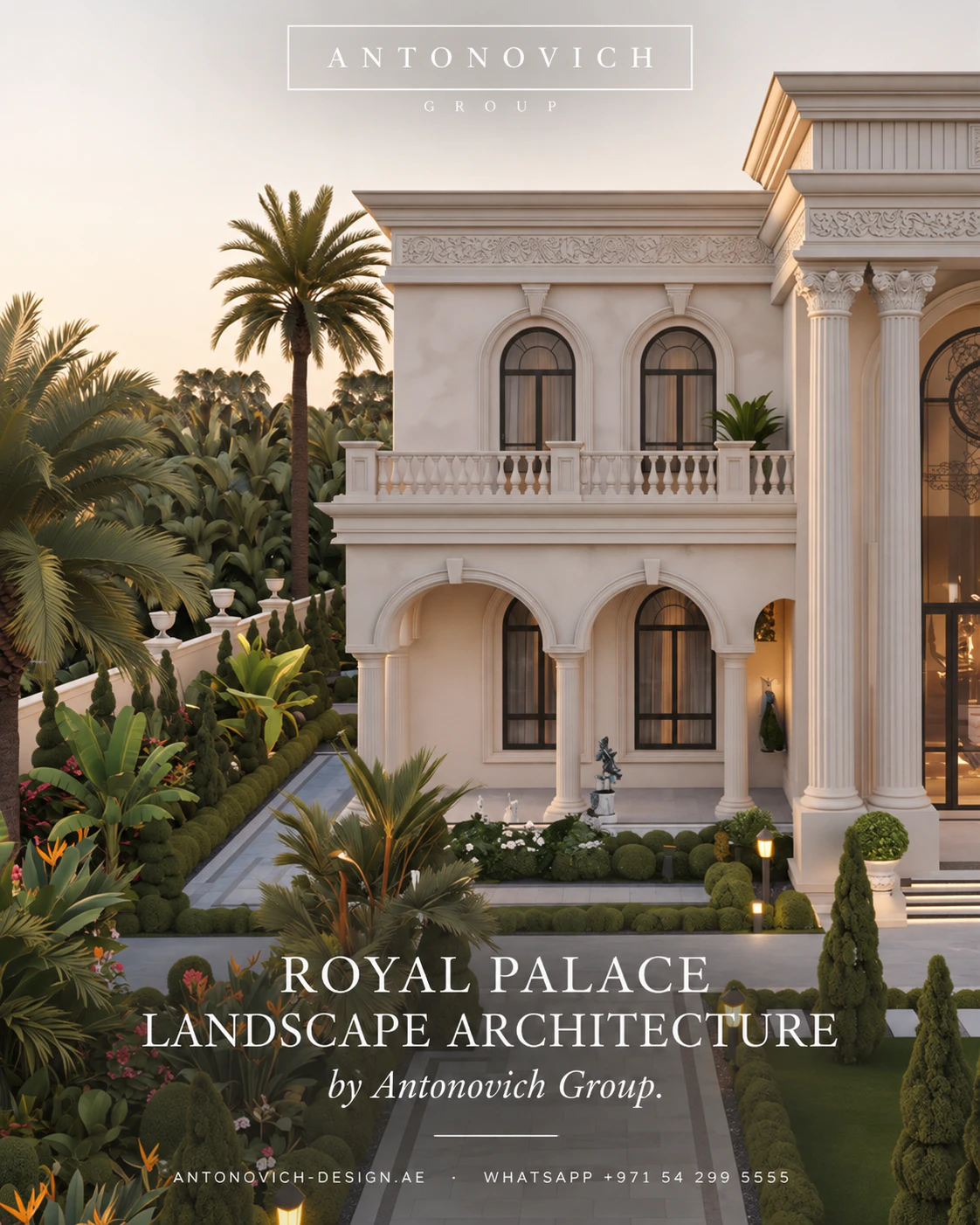
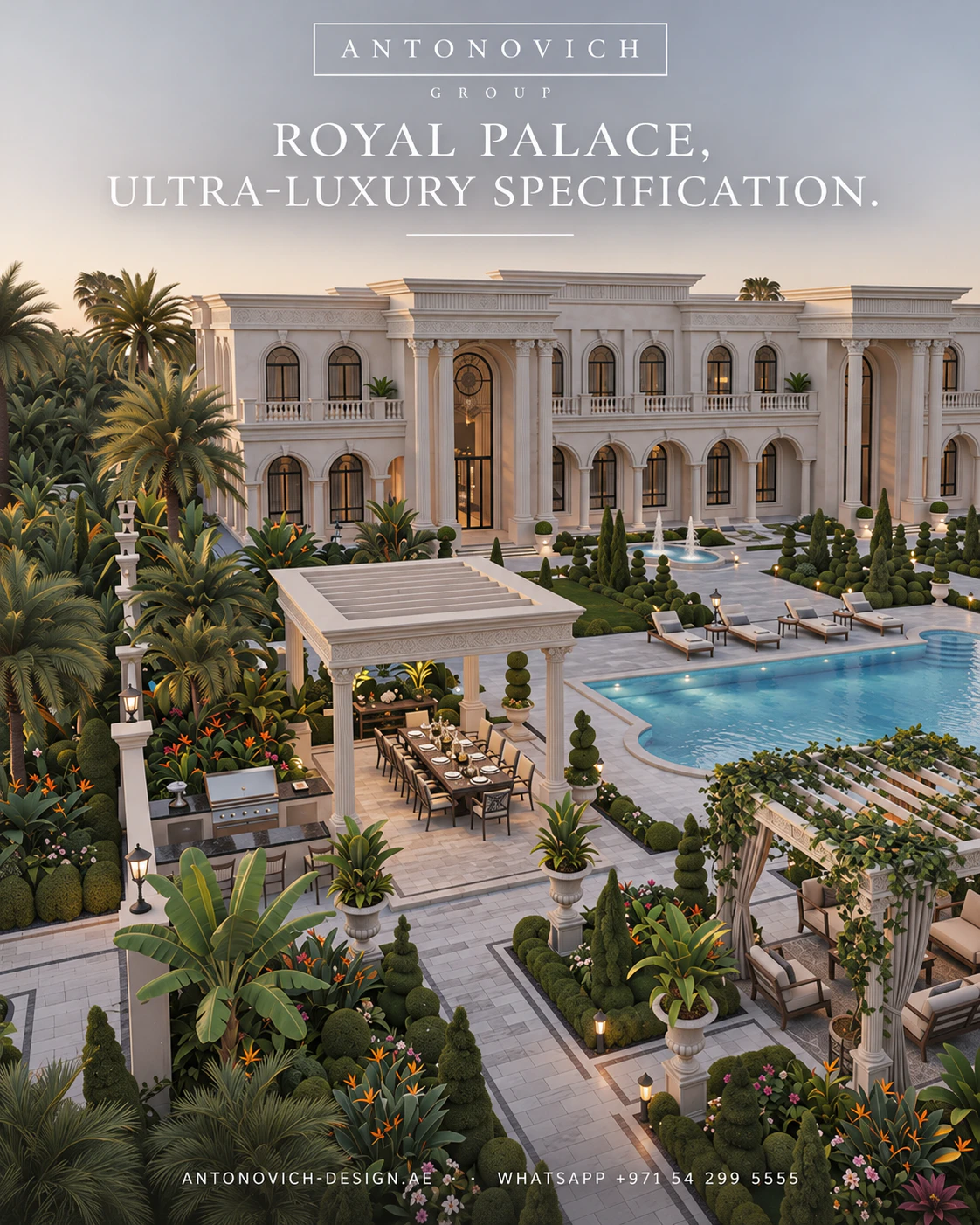
Gardens, irrigation, fountains, pools, lakes, paving, roads, gates, perimeter walls, external lighting and outbuildings.
13. Infrastructure
Energy centre, cooling plant, water storage and treatment, substations, utility networks across the estate.
14. Contingency
A reserve for unforeseen conditions, design development and changes — typically 5–15% depending on the design stage.
Part 3: Indicative Cost Ranges per Square Metre
The following ranges are indicative only and refer to construction and fit-out costs per square metre of built area in the UAE in 2026, excluding land, and unless noted, excluding loose furniture and landscape.
For context, market reports in 2025–2026 place standard villa construction in Dubai at around AED 300–500 per sq ft (roughly AED 3,200–5,400 per m²) and luxury villa construction at around AED 900–1,400 per sq ft (roughly AED 9,700–15,000 per m²). Palaces generally start where luxury villas end.
Level 1: Contemporary Palace, Premium Specification
Clean contemporary architecture, high-quality façades, large glazing, premium finishes, quality MEP and automation, with interiors of a high standard but limited hand-crafted decoration.
Indicative range: around AED 10,000–15,000 per m² for construction and fit-out.
Level 2: Classical Palace, Luxury Specification
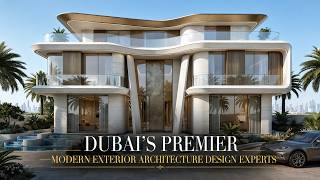
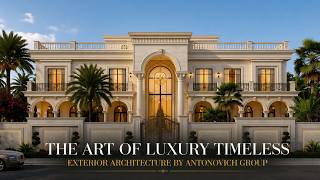
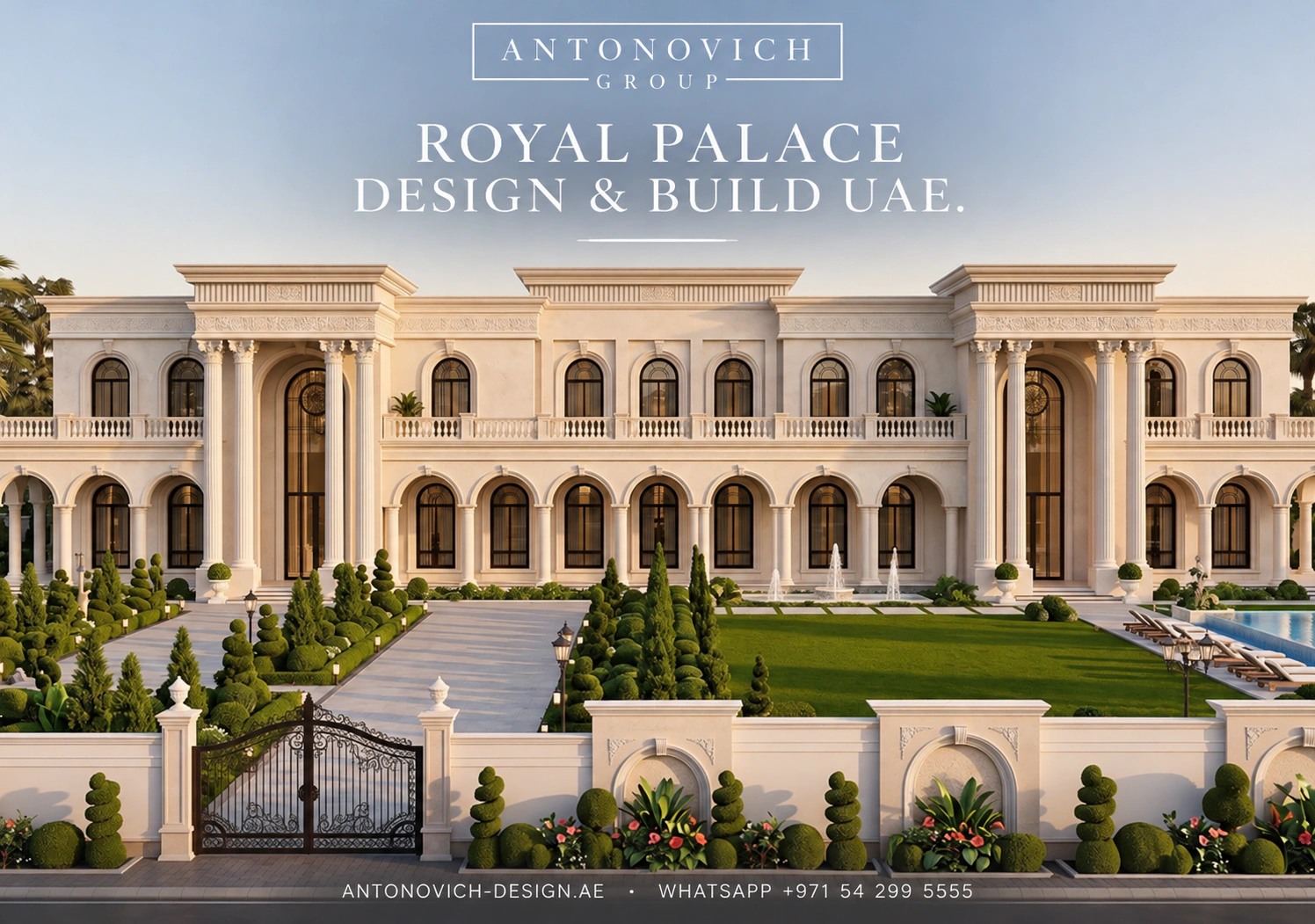
Classical architecture with stone or precast façades, columns, cornices and balustrades, domes or decorative roofs, marble floors, decorative ceilings and mouldings, bespoke joinery, high-end MEP and security.
Indicative range: around AED 15,000–25,000 per m² for construction and fit-out.
Level 3: Royal Palace, Ultra-Luxury Specification
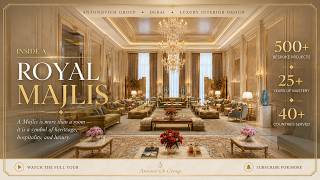
Monumental architecture with carved natural stone, multiple domes, grand colonnades, hand-crafted ceilings, carved wood and plaster, extensive marble and onyx, gold details, crystal chandeliers, bespoke furniture throughout, advanced security and technology.
Indicative range: around AED 25,000–40,000+ per m² for construction and fit-out.
Furniture and FF&E
Bespoke furniture, carpets, curtains, chandeliers, art and accessories can add:
• Premium: around AED 1,500–3,000 per m².
• Luxury: around AED 3,000–6,000 per m².
• Ultra-luxury: AED 6,000 per m² and above, depending on art, antiques and bespoke pieces.
Landscape and External Works
Landscape and external works are usually budgeted separately, often per square metre of landscaped area or as a lump sum. For large estates with formal gardens, fountains, lakes and gates, they may represent 10–25% of the building cost.
Example Calculations
A 6,000 m² classical private palace at luxury specification: 6,000 m² × AED 18,000 = AED 108 million for construction and fit-out, plus furniture, landscape, fees and contingency.
A 15,000 m² royal palace at ultra-luxury specification: 15,000 m² × AED 30,000 = AED 450 million for construction and fit-out, plus furniture, landscape, fees and contingency.
These examples illustrate scale only. Actual budgets depend on the specific design, site and requirements.
Part 4: How the Budget Is Typically Distributed
While every project is different, the construction and fit-out budget of a classical luxury palace often follows a pattern like this:
• Substructure and superstructure: 15–25%.
• Building envelope and façades: 15–25%.
• MEP and specialist systems: 20–30%.
• Interior fit-out: 25–40%.
In ultra-luxury palaces, the share of façades and interiors rises, because carved stone, decorative ceilings, marble and hand-crafted elements become dominant. In contemporary palaces, MEP and technology often take a larger share.
The Hidden Weight of MEP
Clients are often surprised by the cost of MEP. A palace in the UAE must be cooled efficiently in extreme heat, with high-quality air, silent operation, zoning for rooms used at different times, backup systems and integration with automation. Elevators, lighting control, security and audio-visual systems add further layers. Underestimating MEP is one of the most common budgeting mistakes.
Interiors as a Major Investment
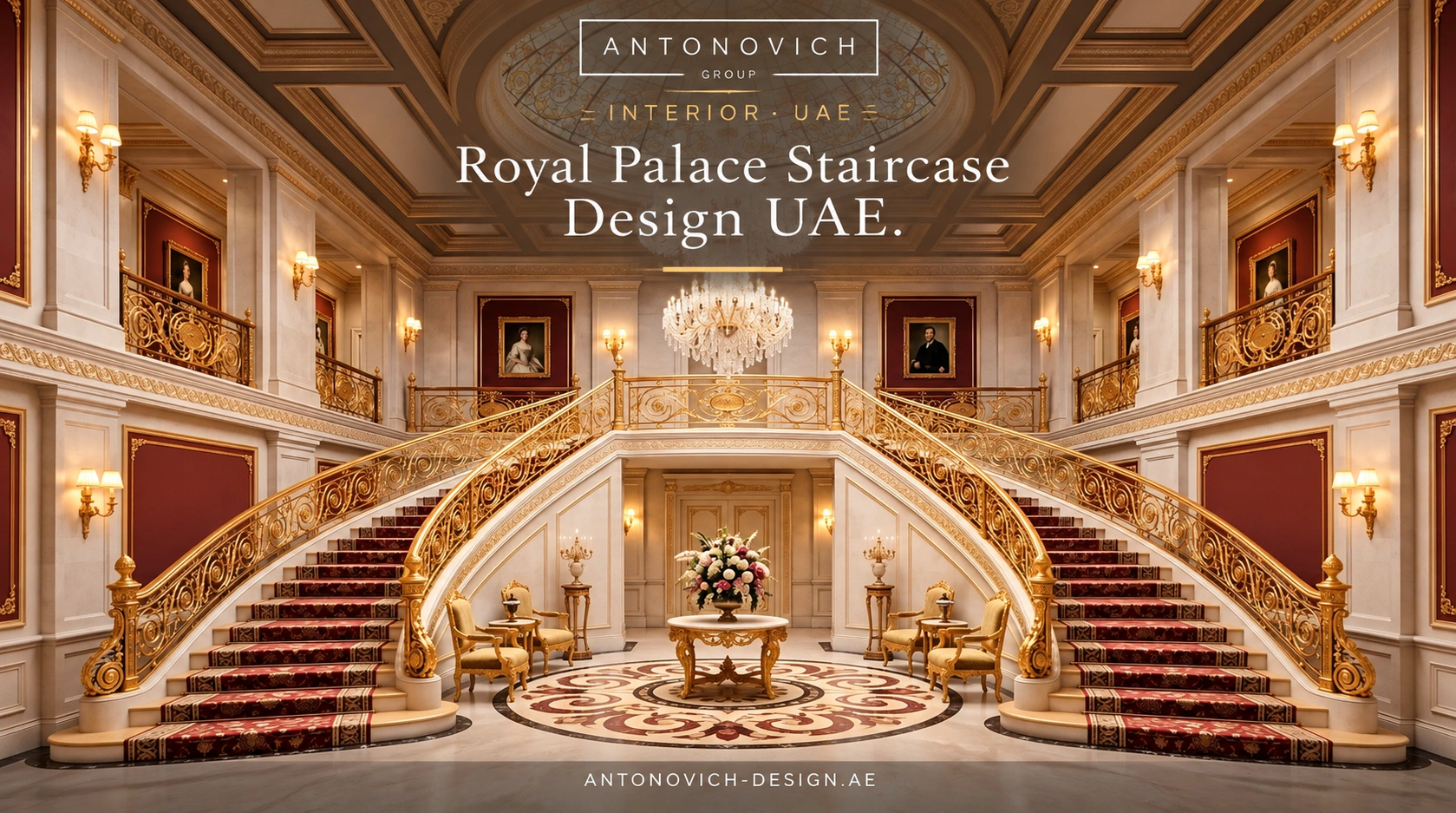
In a luxury palace, interiors are not finishing touches — they are a major part of the investment. Domed and coffered ceilings, carved wall panels, marble floors with inlays, grand staircases, bespoke doors and joinery, bathrooms in rare stones and decorative lighting require skilled craftsmen and long lead times.
Part 5: Design and Consultancy Fees
What Fees Cover
Professional fees for a palace typically cover:
• Masterplanning.
• Architectural design from concept to construction drawings.
• Interior design including detailed drawings, specifications and FF&E selection.
• Landscape design.
• Structural engineering.
• MEP engineering.
• Specialist consultants: façade, lighting, acoustics, security, AV, kitchen, pool and fountain specialists.
• Authority approvals.
• Site supervision and contract administration.
• Project management and cost management.
Typical Ranges
For palace projects, total professional fees often fall in the range of 6–12% of construction cost, depending on scope, complexity and the level of service. Interior design and FF&E services may be priced separately. Small villas have different fee structures, often expressed as a lump sum; market sources cite design, engineering and permitting for standard villas in Dubai in the range of AED 50,000–150,000, while palaces require far more extensive design work.
Why Good Design Saves Money
High-quality design is not a cost but an investment. A well-developed design reduces changes during construction, allows accurate tendering, avoids clashes between disciplines, optimises structure and systems, and protects the client from cost overruns that can far exceed the fees themselves.
Part 6: Factors That Increase Cost
Architectural Features
• Domes, especially large, double-shell or decorated domes.
• Colonnades with natural stone columns.
• Carved stone façades and ornaments.
• Large spans for ballrooms and majlis halls without columns.
• Double-height spaces and grand staircases.
• Basements for parking, services and leisure.
Materials
• Natural stone versus precast or render.
• Rare marbles and onyx.
• Solid hardwoods and hand carving.
• Bronze and forged metalwork.
• Gold finishes.
• Hand-blown glass and crystal.
Craftsmanship
Hand-carved plaster, wood and stone, inlaid marble, painted ceilings and hand-forged ironwork require rare skills and time.
Technology
Advanced security, automation, cinema, AV, smart glass and integrated lighting control.
Programme
Accelerated schedules, phased occupancy and changes during construction.
Changes
Design changes after construction has begun are among the biggest drivers of cost overruns. Each change may affect structure, systems, finishes and programme.
Part 7: Ways to Optimise Cost Without Losing Quality
Invest Where It Matters Most
Concentrate the highest specification in the spaces guests see and the family uses most: the arrival, entrance hall, majlis, reception rooms, dining room and principal suites. Service areas, staff accommodation and secondary spaces can use durable, more economical finishes.
Precast and Natural Stone in the Right Places
High-quality precast stone and GRC can reproduce classical details at lower cost than carved natural stone, especially for elements seen from a distance. Natural stone can be reserved for areas seen up close.
Standardise Where Possible
Repeating details — window types, column orders, mouldings, doors — reduces design, manufacturing and installation costs while creating harmony.
Efficient Planning
A compact, well-organised plan reduces circulation area, façade length and MEP runs without reducing grandeur.
Integrated Design and Manufacturing
Working with a firm that designs and manufactures joinery and furniture in-house reduces intermediaries, improves coordination and controls quality.
Freeze the Design Early
Completing design decisions before construction — including interiors — avoids costly changes.
Phasing
Building the main palace and essential facilities first, and secondary buildings later, spreads investment over time.
Part 8: Running Costs
The cost of a palace does not end with construction. Annual running costs include:
• Energy for cooling, lighting and systems.
• Water for buildings, landscape and water features.
• Maintenance of buildings, systems, gardens and fountains.
• Staff for housekeeping, gardens, security and operations.
• Insurance.
• Replacement of equipment and finishes over time.
Good design reduces running costs: efficient orientation and shading, high-performance envelopes, efficient cooling, smart controls, durable materials and water recycling. Over the decades, these savings can be very significant.
Part 9: The Cost of Getting It Wrong
Underestimating the Budget
A budget based on unrealistic assumptions leads to compromises during construction — cheaper materials, simplified details, reduced landscape — that permanently diminish the palace.
Choosing on Price Alone
The lowest design fee or construction bid is rarely the most economical. Incomplete design leads to claims and variations; inexperienced contractors may lack the skills for classical details and luxury finishes.
Separating Design From Delivery
When architecture, interiors, furniture and construction are handled by unconnected parties, coordination problems multiply, and the client pays for the gaps between them.
Late Interior Decisions
Interiors designed after the structure is built often require demolition and rework of services, ceilings and walls.
Part 10: Building a Realistic Budget — The Antonovich Group Approach
Step 1: The Brief
Understanding the family’s needs, lifestyle, programme of spaces, style preferences and ambitions.
Step 2: Area Schedule
Defining the built area of each building and space.
Step 3: Specification Level
Agreeing the level of specification for each zone: royal, luxury or premium.
Step 4: Initial Budget Range
Preparing a budget range based on area, specification and benchmarks, including all components.
Step 5: Concept Design With Cost Feedback
Developing the concept design with cost estimates at each step, allowing informed decisions on domes, façades, materials and features.
Step 6: Detailed Cost Plan
As the design develops, refining the cost plan element by element.
Step 7: Value Engineering
Optimising design and specifications to achieve the vision within the budget — without sacrificing the spaces and details that matter most.
Step 8: Tendering and Procurement
Accurate drawings and specifications allow contractors and suppliers to price precisely.
Step 9: Cost Control During Construction
Monitoring costs, managing changes and protecting the budget.
Part 11: Palaces Beyond the UAE
Many UAE-based families and clients build palaces in other countries — in Saudi Arabia, elsewhere in the Gulf, in Central Asia, South Asia or Africa. Costs there differ with local labour, materials, import duties, logistics and regulations. In some regions, construction labour is less expensive, but luxury materials, furniture and specialist systems must be imported, adding freight, duties and longer lead times. Antonovich Group designs palaces internationally and helps clients plan budgets that reflect local conditions.
Part 12: Palace or Luxury Villa — Where Is the Line?
Clients sometimes ask what distinguishes a palace from a large luxury villa in terms of cost. Generally:
• Scale: palaces typically start around 5,000–6,000 m², while luxury villas are usually under 3,000 m².
• Architecture: palaces have monumental elements — domes, colonnades, grand halls — that villas rarely include.
• Programme: palaces include ceremonial spaces, majlis halls, guest wings, staff accommodation and extensive services.
• Estate: palaces often include multiple buildings, gardens, lakes and infrastructure.
• Craftsmanship: palaces use more hand-crafted elements and rarer materials.
As a result, both the total budget and the cost per square metre of a palace are usually higher than those of a luxury villa.
Part 13: A Worked Budget Example
To show how the components come together, consider a hypothetical classical private palace estate in the UAE with the following programme:
• Main palace: 8,000 m² at luxury specification.
• Majlis pavilion: 1,200 m² at luxury specification.
• Guest villa: 1,500 m² at luxury specification.
• Staff accommodation and service building: 1,300 m² at standard specification.
• Total built area: 12,000 m².
• Landscaped area: around 25,000 m² with formal gardens, fountains and a pool.
An indicative budget structure might look like this (rounded, for illustration only):
Component Basis Indicative amount (AED)
Main palace, majlis and guest villa 10,700 m² × 18,000 ~193 million
Staff and service building 1,300 m² × 6,000 ~8 million
Furniture and FF&E 10,700 m² × 3,500 ~37 million
Landscape and external works ~15% of building cost ~30 million
Infrastructure and utilities lump sum ~10–15 million
Professional fees ~8% of construction, landscape and infrastructure ~19 million
Approvals and authority fees allowance ~2–3 million
Contingency ~8% of the above ~24 million
Total (excluding land) ~325 million
This example shows how construction is only part of the story: furniture, landscape, infrastructure, fees and contingency together add more than 50% to the building cost. A different specification, programme or site would produce a very different result — which is why every real budget starts with a brief and a concept.
Part 14: Questions to Ask Before Setting a Budget
Before fixing a number, a client and their advisors should answer a series of questions that shape the budget more than any benchmark:
• Who will live in the palace, and how? The number of family members, guests and staff determines the programme.
• How will the palace receive guests? Majlis halls, guest wings and banqueting spaces add area and specification.
• What architectural style is desired? A contemporary palace and a richly ornamented classical palace differ greatly in cost.
• Which spaces must be extraordinary? Identifying the key spaces allows investment to be focused.
• What level of technology and security is required?
• How important is landscape? A palace in a simple garden and a palace with parterres, fountains and a lake are very different budgets.
• What is the timeline? Faster programmes cost more.
• Will the palace be built in phases?
• Who will manage the project? Integrated design-and-delivery teams reduce coordination risk.
Answering these questions early turns a vague ambition into a clear brief, and a clear brief into a realistic budget.
Part 15: Payment Schedules and Cash Flow
A palace is built over several years, and the budget is spent progressively. Understanding cash flow helps clients plan their finances:
• Design phase: professional fees paid in stages — concept, schematic, detailed design and construction documents.
• Enabling and substructure: a relatively modest share of the budget in the first months of construction.
• Superstructure and envelope: the heaviest spending period for structure and façades.
• MEP and fit-out: substantial spending as systems, finishes and joinery are installed.
• FF&E: furniture and decoration, often ordered many months in advance with deposits and paid on delivery.
• Landscape: usually in the final phase, although mature trees may be reserved early.
• Retentions: a percentage held back until defects are resolved.
Long-lead items — natural stone, chandeliers, bespoke furniture, elevators and specialist systems — must be ordered early, so deposits may be required well before installation.
Part 16: Comparing Proposals Correctly
When clients receive several design or construction proposals, the figures can be difficult to compare. A low number may simply exclude important items. When comparing, check:
• Scope: does the proposal include interiors, landscape, furniture, specialist systems and infrastructure, or only the building shell?
• Specification: are the materials, finishes and systems equivalent?
• Drawings: is the price based on a detailed design or on rough assumptions?
• Provisional sums: how much of the price is allowances that may grow later?
• Exclusions: what is explicitly not included?
• Programme: is the timeline realistic for the quality required?
• Experience: has the team delivered palaces and classical details of similar complexity?
• Responsibility: who is responsible for coordination between architecture, engineering, interiors and furniture?
A transparent, complete proposal from an experienced team almost always delivers better value than a lower figure with hidden gaps.
Antonovich Group: Designing Palaces With Budget Clarity
Antonovich Group, led by architect Katrina Antonovich, designs palaces, royal residences and luxury villas of 6,000 to 50,000 m² across the UAE, Saudi Arabia, Central Asia, South Asia and Africa. The firm combines architecture, engineering coordination, interior design and in-house furniture and joinery manufacturing, giving clients a single team responsible for the vision and its delivery.
What Antonovich Group Offers
• Budget planning from the earliest stage.
• Masterplanning and architecture.
• Engineering coordination.
• Interior design at every level of specification.
• Bespoke furniture and joinery manufactured in-house.
• Value engineering that protects the vision.
• Turnkey delivery for villas and fit-out projects.
• Confidential, personal service.
Katrina Antonovich’s Approach
Katrina Antonovich believes that clarity about budget is a form of respect for the client. From the first meetings, she discusses openly how area, architecture and specification affect cost, so that the family can decide where to invest most — and so that the palace that is drawn is the palace that gets built.
Frequently Asked Questions
How much does it cost to build a palace in the UAE? Indicatively, construction and fit-out may range from around AED 10,000 per m² for a contemporary premium palace to AED 25,000–40,000+ per m² for a royal ultra-luxury palace, excluding land, furniture, landscape and fees. Accurate budgets require a brief and concept design.
What is the biggest factor in palace cost? The level of specification — architecture, materials, craftsmanship and interiors — often matters more than size alone.
How much are design fees for a palace? Total professional fees often fall in the range of 6–12% of construction cost, depending on scope and complexity.
How much should I budget for furniture? Indicatively AED 1,500–6,000+ per m² depending on specification, art and bespoke pieces.
How much do gardens and external works cost? For large estates, landscape and external works often represent 10–25% of building cost.
How can I reduce costs without losing quality? Concentrate the highest specification in key spaces, use precast stone where appropriate, standardise details, plan efficiently and freeze the design early.
How long does it take to build a palace? Typically two to five years from design to completion, depending on size and complexity.
Do you prepare budgets before design? Yes. Antonovich Group prepares initial budget ranges based on the brief, area and specification, refined as the design develops.
Why are furniture and landscape budgeted separately? Because their cost varies widely with the client’s choices — from premium to bespoke and art-level pieces, from simple gardens to estates with lakes and fountains — and they are often procured separately from the main construction contract.
Is it cheaper to build a contemporary palace than a classical one? Usually yes, because classical palaces involve more stone, ornament, domes and hand-crafted interiors. However, a contemporary palace with advanced glazing, large spans and high-end technology can also reach very high costs.
Do prices include land? No. The ranges in this guide exclude land.
A Clear Budget for a Magnificent Vision
A palace is one of the most significant investments a family can make. Antonovich Group helps clients understand, plan and control the cost of their palace from the very first sketch — so that the vision and the budget move forward together.
Confidential Consultation · WhatsApp +971 54 299 5555 · antonovich-design.ae
All figures in this article are indicative and provided for general guidance only. They do not constitute a quotation. Actual costs depend on the specific project, site, design, specification and market conditions.