
Updated at: 07.10.26

Presidential and Royal Palace Exteriors: Design Language and Symbolism
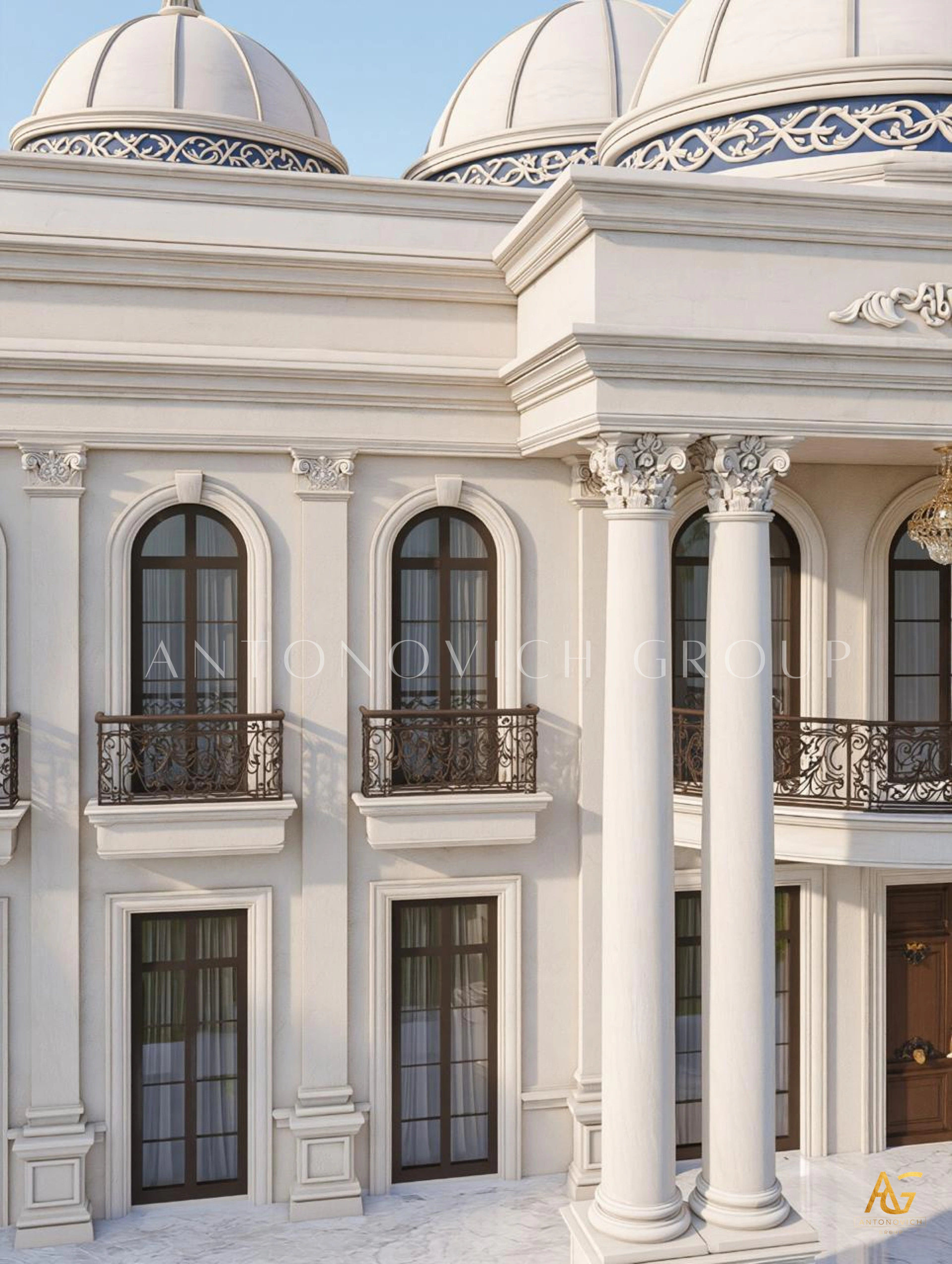
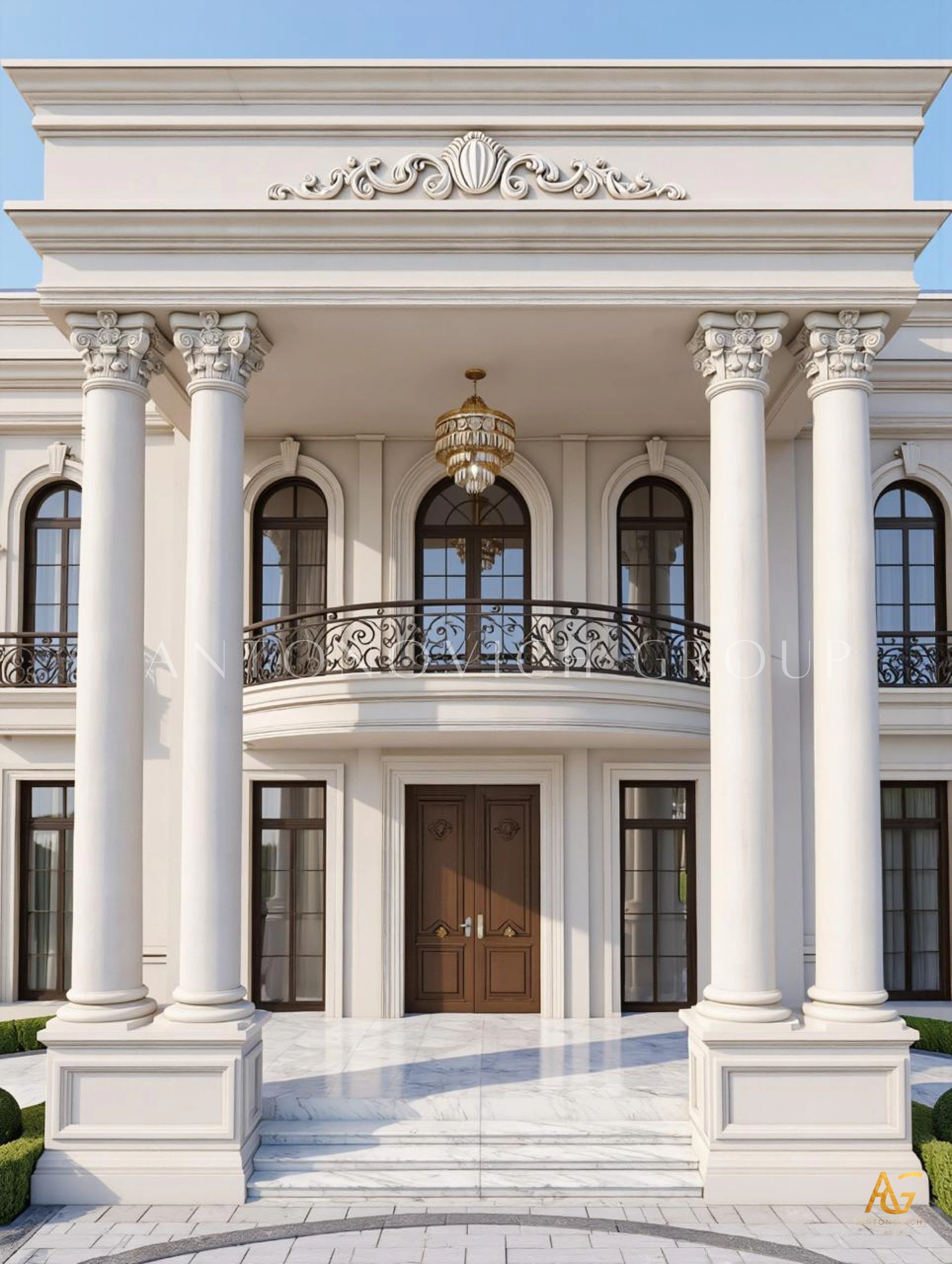
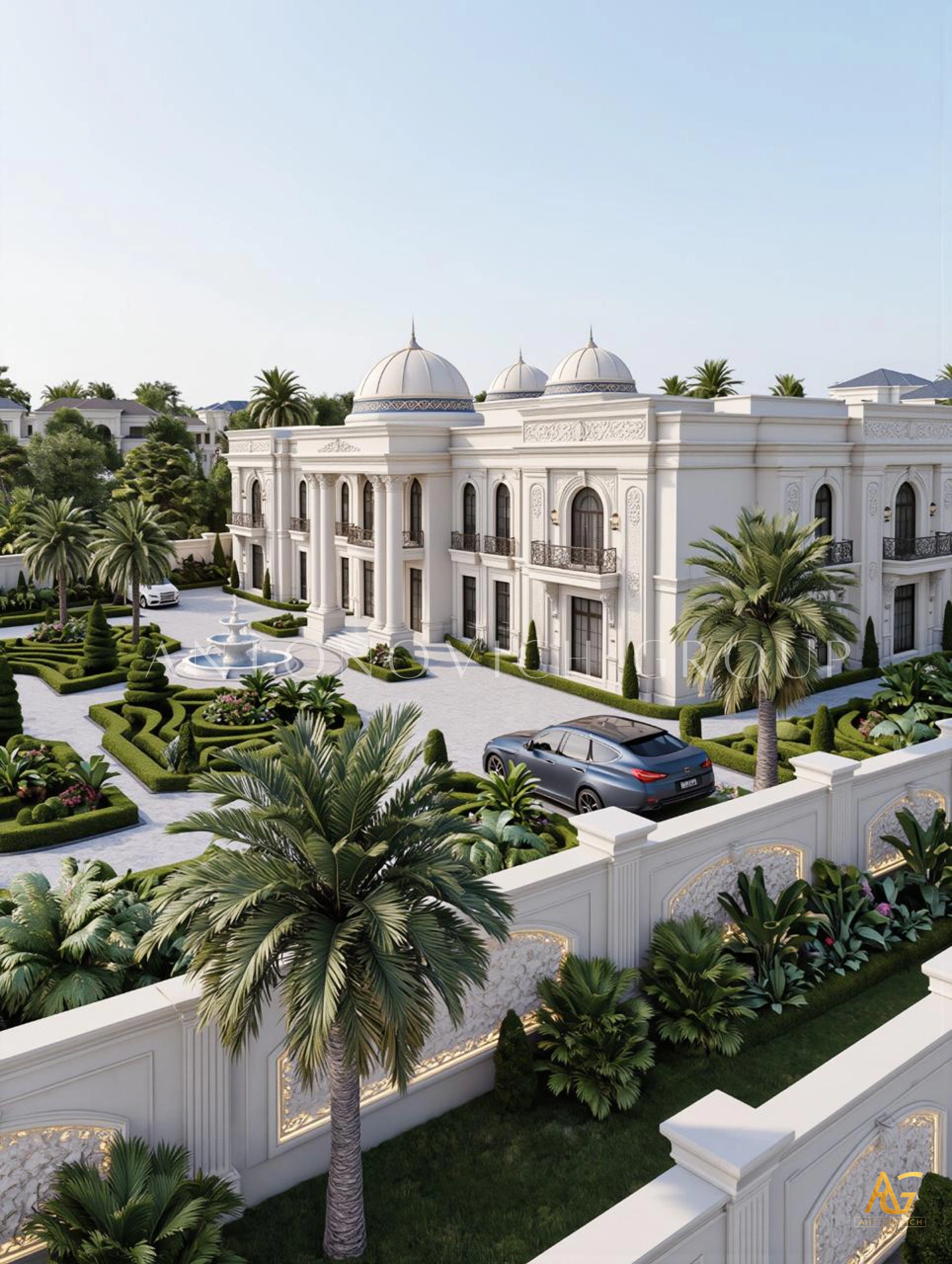
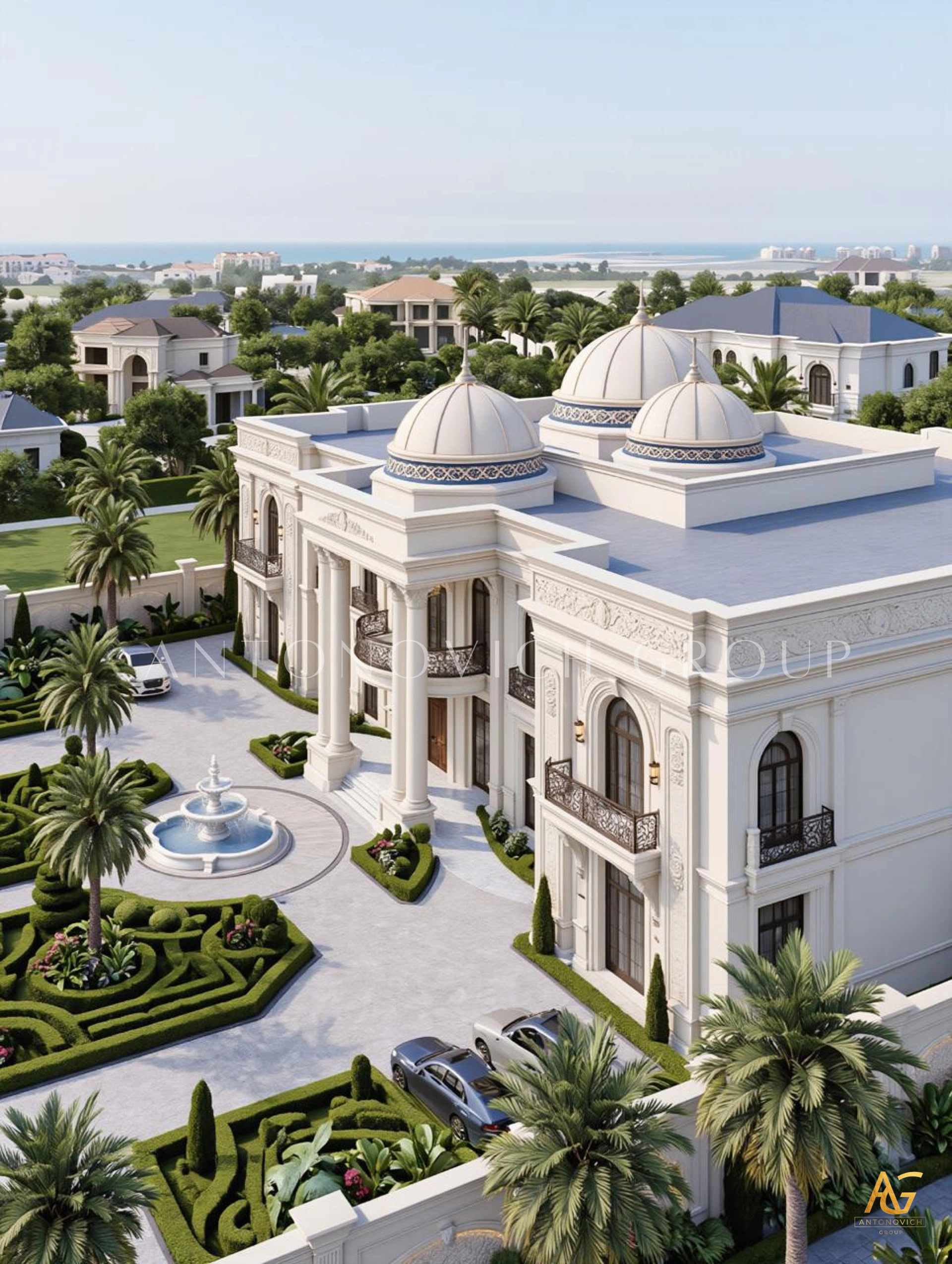
Royal Palace Exterior Design: Architecture That Communicates Identity, Authority, and Prestige
A presidential or royal palace is far more than a large residence. It is an architectural representation of identity, heritage, culture, leadership, and national character. Every element—from the monumental entrance and façade proportions to columns, domes, landscaping, gates, lighting, and material selection—can contribute to the story the building communicates.
Royal Palace exterior design requires an exceptional understanding of architectural composition, scale, symbolism, craftsmanship, and functionality. Unlike ordinary residential architecture, palace exteriors must often create a powerful sense of arrival while remaining harmonious with their surroundings.
Antonovich Group specializes in developing sophisticated Presidential and Royal Palace Exteriors, combining architecture, landscape design, engineering coordination, premium materials, lighting, and complete project execution to create highly customized luxury environments.
The Language of a Palace Façade
The façade is often the first architectural statement visitors experience. In palace architecture, proportions are carefully considered to establish hierarchy and visual balance.
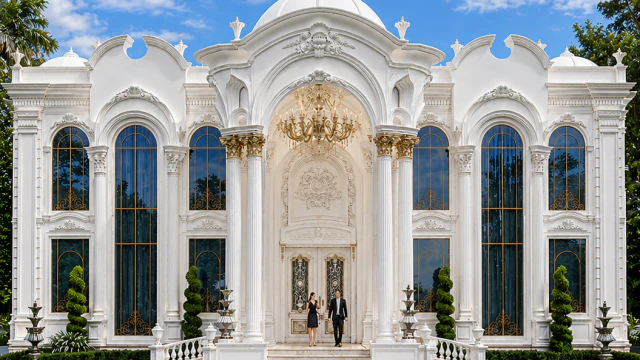
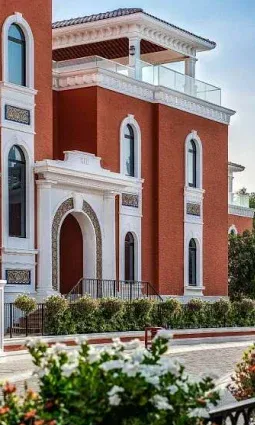
Grand entrances, monumental staircases, tall windows, columns, arches, balconies, cornices, and carefully framed openings can create a strong architectural rhythm. In classical residences, symmetry may dominate the composition, while contemporary royal residences can use dramatic geometric forms, expansive glazing, sculptural structures, and minimalist detailing.
A successful Royal Palace exterior design does not rely solely on size. It uses proportion and composition to make the entire structure feel intentional.
Symbolism in Royal Palace Architecture
Architecture can communicate meaning without words. Certain forms and details may represent heritage, strength, continuity, hospitality, or connection to a particular culture.
Columns can create a sense of permanence and monumentality. Domes can become powerful visual landmarks. Arches may reference regional architectural traditions, while ornamental motifs can incorporate cultural patterns and craftsmanship.
Landscaping can also carry symbolic importance. Formal gardens, fountains, palms, sculptural planting, water features, and ceremonial arrival courts can reinforce the identity of the palace.
For a presidential palace exterior, the architectural language may emphasize dignity, institutional presence, and national identity. A royal residence may place greater emphasis on heritage, ceremonial character, private luxury, and family traditions. The design approach should always be tailored to the purpose and context of the property.
Classical Royal Palace Exterior Design
Classical palace architecture remains influential because of its timeless architectural vocabulary.
A classical Royal Palace exterior design may incorporate:
Monumental columns and porticos
Elaborate cornices and moldings
Domes and decorative roof structures
Arched windows and entrances
Balustrades and grand terraces
Sculptural façade elements
Formal gardens
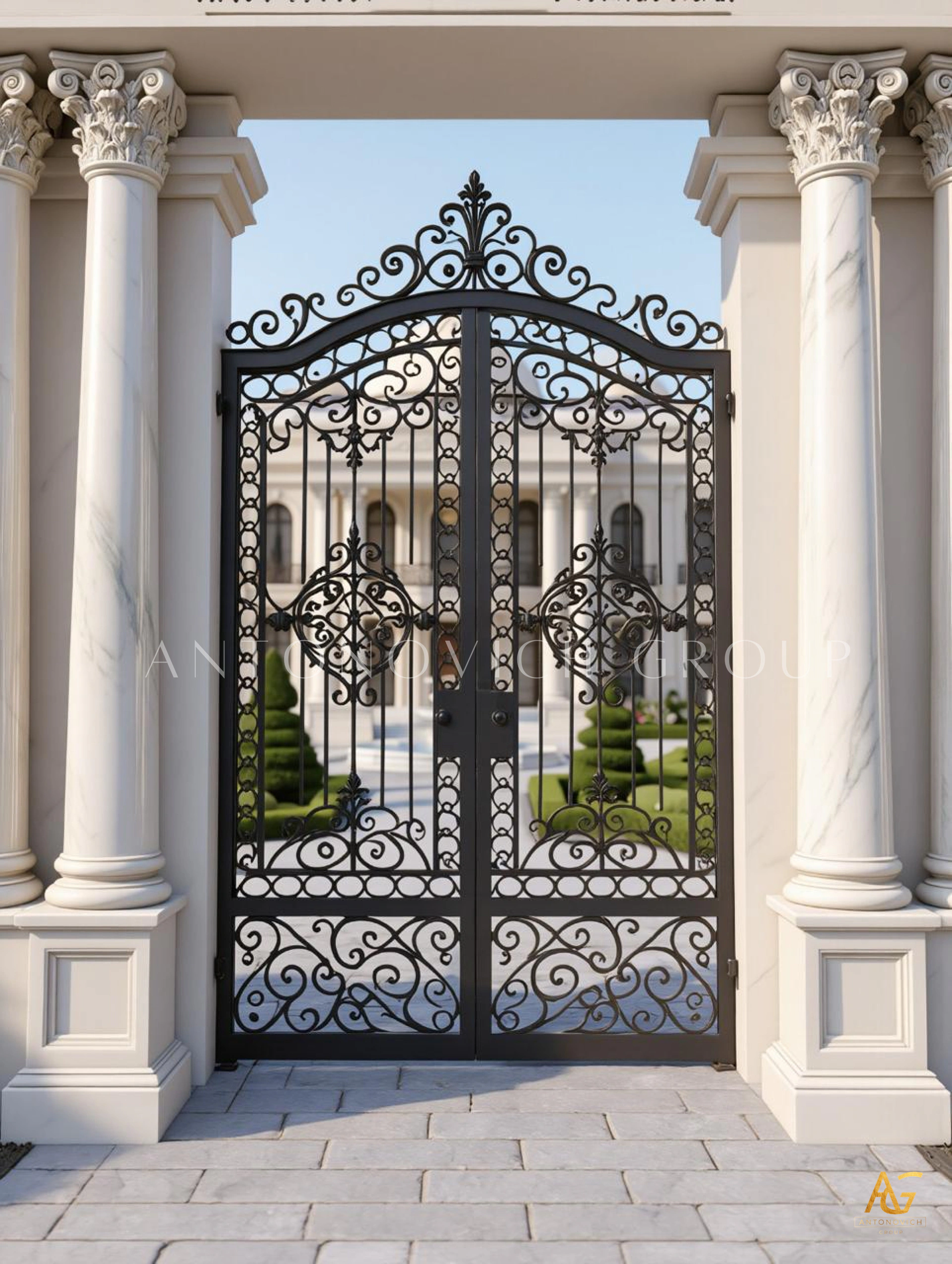
Decorative gates and boundary walls
Natural stone and premium marble
Architectural lighting
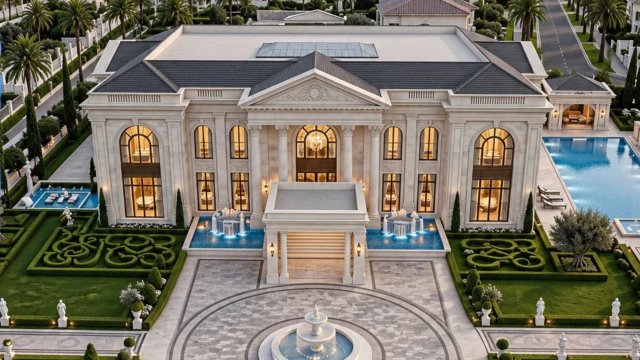
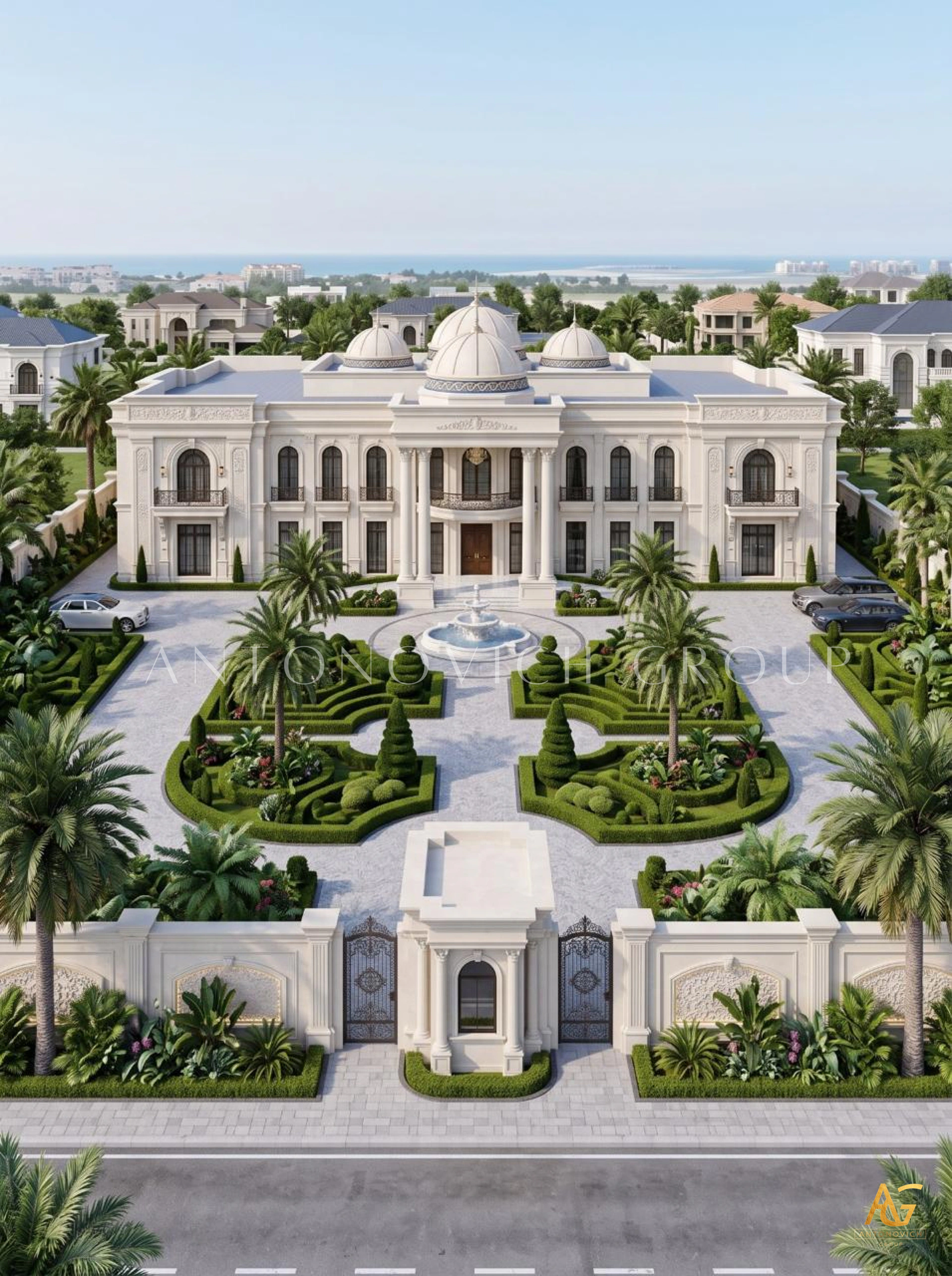
Symmetry is often central to this design language. The main entrance may sit along the central axis, with wings extending outward to create visual balance.
The result is an exterior that feels ceremonial, established, and enduring.
Contemporary Presidential and Royal Palace Exteriors
Modern palace architecture can interpret grandeur through simplicity rather than ornamentation.
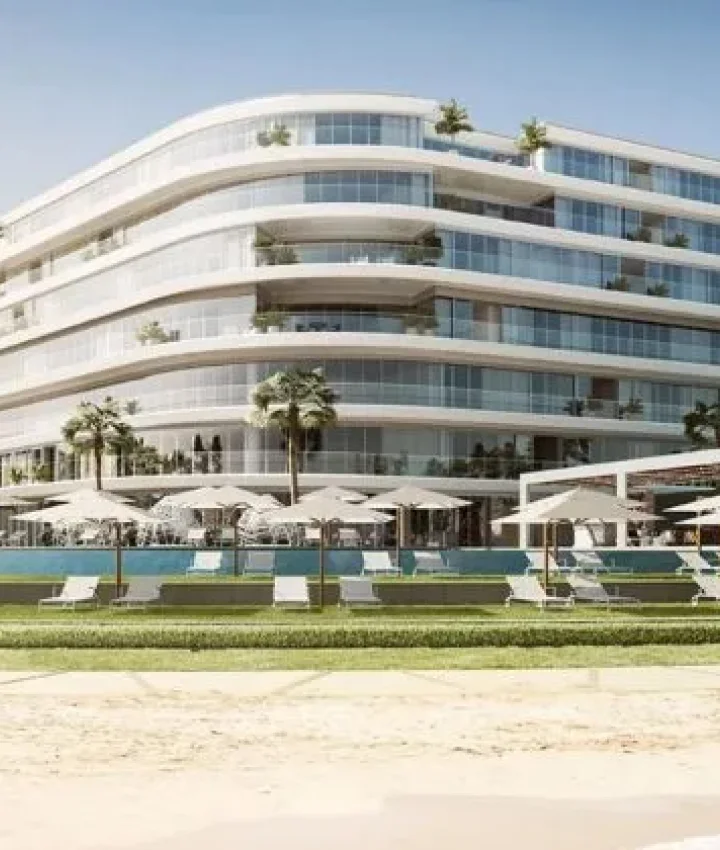
A contemporary royal residence may feature large architectural volumes, clean lines, cantilevered roofs, floor-to-ceiling glazing, sculptural façades, dramatic entrance sequences, reflective pools, and integrated landscaping.
Premium materials such as marble, natural stone, glass, metal, timber, and textured architectural finishes can be combined to create sophisticated contrasts.
Contemporary royal palace exterior design can also incorporate smart lighting, automated gates, advanced environmental systems, and carefully planned security infrastructure while maintaining a visually refined appearance.
The Importance of Scale and Arrival Experience
A palace should reveal itself progressively. The arrival sequence can begin at the entrance gate and continue through landscaped driveways, security points, courtyards, water features, and monumental stairs before reaching the main entrance.
This sequence creates anticipation and establishes hierarchy.
Antonovich Group approaches exterior design as a complete experience rather than simply designing a façade. Arrival courts, gates, pathways, landscaping, lighting, fountains, terraces, and architectural features can all be coordinated as part of the overall concept.
Premium Materials and Architectural Craftsmanship
Material selection is fundamental to a successful palace exterior.
Natural marble, limestone, granite, travertine, premium stone, architectural metalwork, glass, and specially developed finishes can contribute to the character of the building.
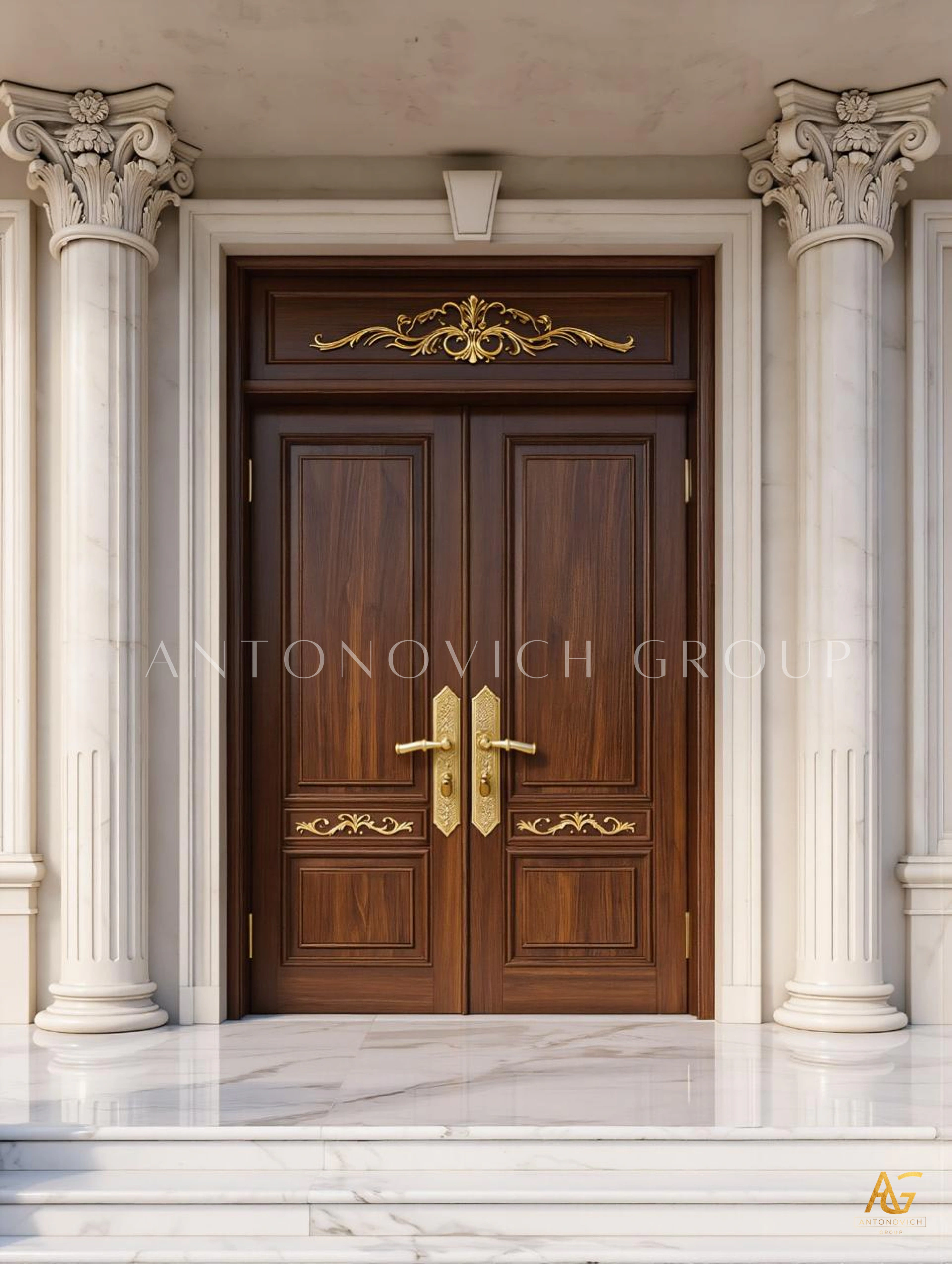
Antonovich Group's expertise includes premium material selection, marble works, bespoke architectural detailing, custom joinery, decorative elements, and specialized finishes. These capabilities can help maintain consistency between the exterior architecture and interior spaces.
For monumental projects, craftsmanship must also support durability. Materials need to be selected according to climate, exposure, maintenance requirements, and the architectural character of the property.
Landscape Design as an Extension of Architecture
A palace exterior is incomplete without a carefully designed landscape.
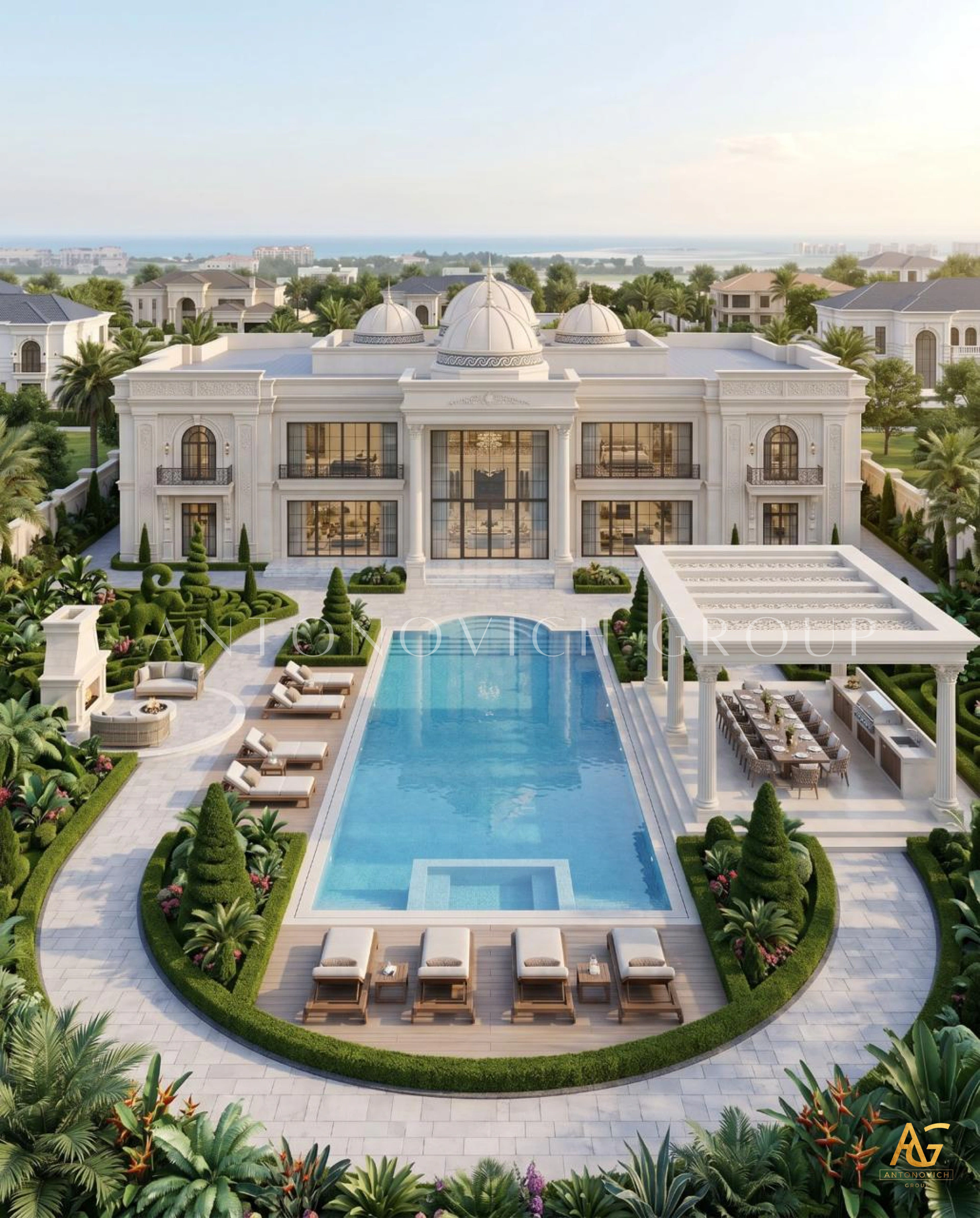
For a classical palace, landscaping may include symmetrical gardens, formal hedges, fountains, sculptural trees, ornamental planting, and geometric pathways.
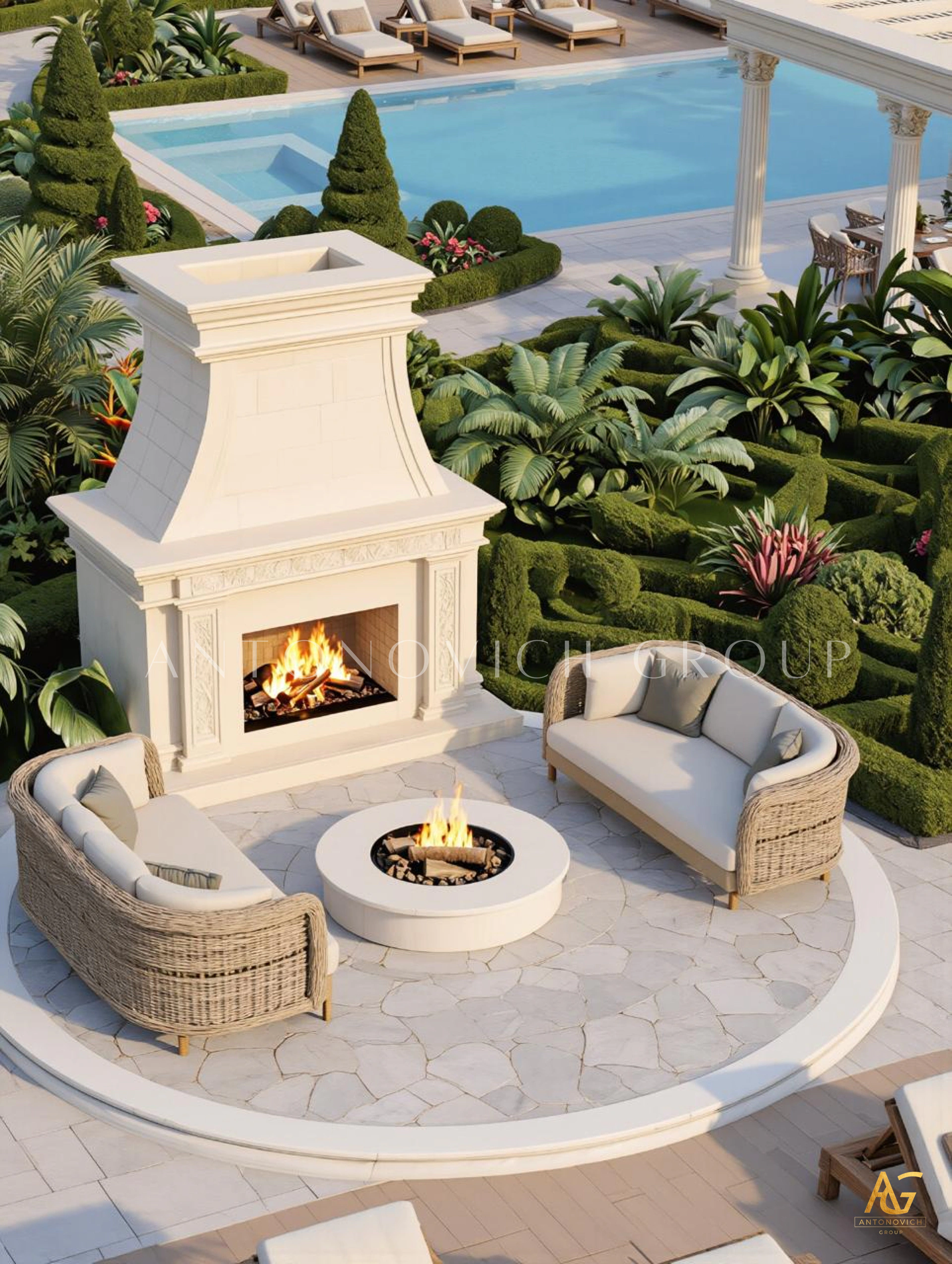
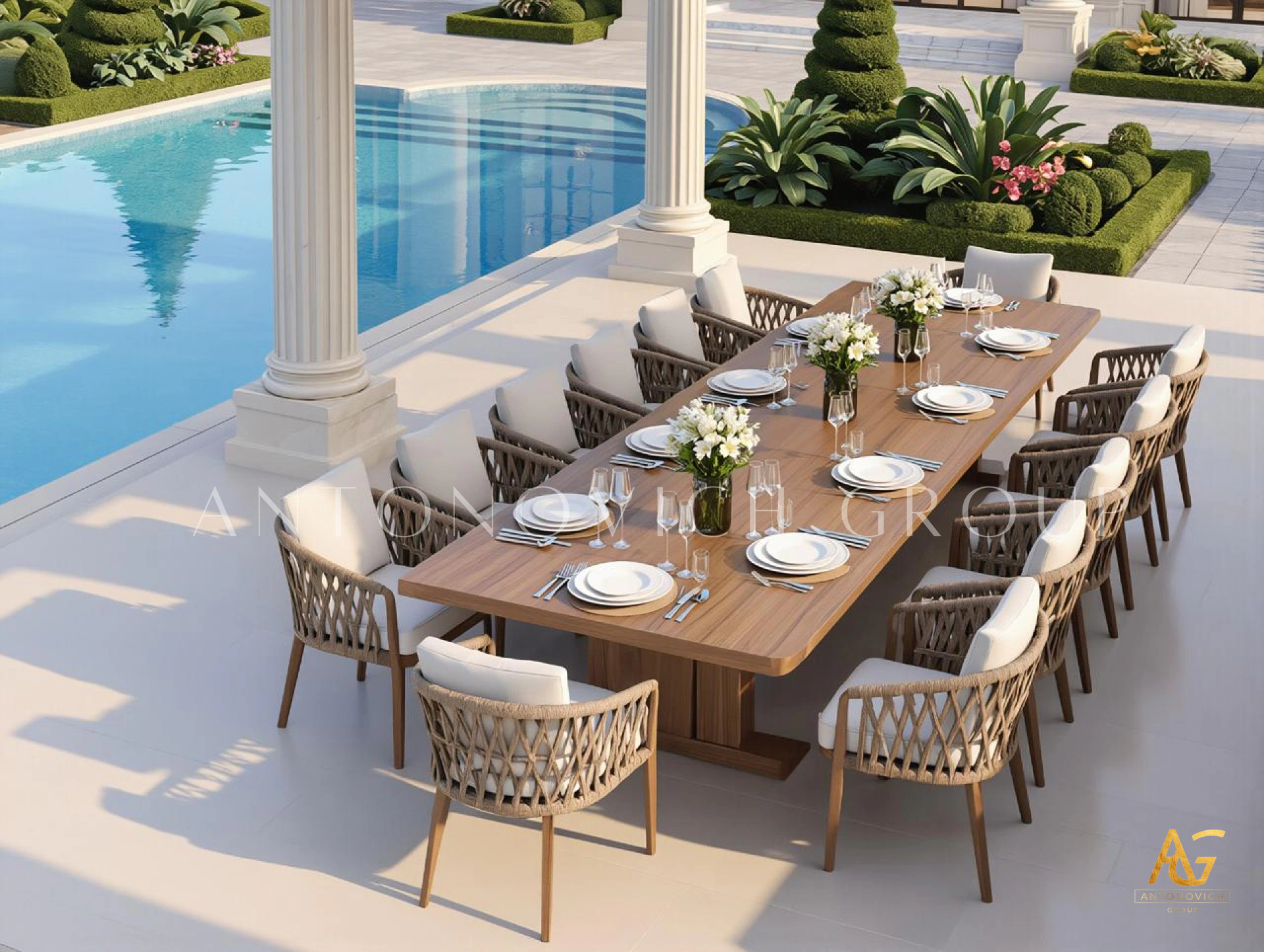
For a contemporary palace, the landscape may use naturalistic planting, infinity pools, outdoor lounges, reflective water surfaces, fire features, and seamless indoor-outdoor transitions.
Antonovich Group provides luxury landscape design alongside architectural and exterior services, allowing the building, garden, pool, lighting, and outdoor spaces to function as one integrated composition.
Lighting and Night-Time Identity
Architectural lighting can completely transform a palace after sunset.
Well-positioned façade lighting can emphasize columns, arches, stone textures, entrance portals, landscaping, water features, and architectural proportions without overwhelming the building.
Landscape lighting can guide movement through gardens and arrival areas while creating visual depth.
For presidential and royal properties, lighting should be carefully coordinated with the architecture and surrounding environment to create a sophisticated night-time identity.
Engineering and Project Execution
The complexity of a palace exterior extends beyond aesthetics. Structural systems, drainage, waterproofing, electrical infrastructure, landscape irrigation, lighting, mechanical systems, security requirements, and specialized architectural elements must be coordinated during development.
Antonovich Group provides a comprehensive range of services covering architecture, engineering coordination, interior design, landscape design, fit-out, bespoke furniture, joinery, material selection, renovation, and project management.
This integrated approach allows design decisions to be considered alongside technical requirements and execution from the early stages of the project.
Antonovich Group Expertise in Presidential and Royal Palace Exteriors
Antonovich Group develops customized architectural environments for clients seeking distinctive luxury residences and palace-scale properties.
Its expertise in Presidential and Royal Palace Exteriors encompasses architectural concept development, façade design, entrance architecture, landscape planning, swimming pool design, outdoor spaces, premium material selection, architectural lighting, bespoke detailing, engineering coordination, construction, and complete project management.
The objective is to create an exterior that is visually powerful while remaining coherent with the client's identity, the surrounding landscape, and the architectural purpose of the property.
A presidential or royal palace exterior should communicate more than luxury. It should communicate identity.
The strongest Royal Palace exterior design combines architectural proportion, symbolism, craftsmanship, material quality, landscape, lighting, and technical precision. Whether the desired aesthetic is classical and ceremonial or contemporary and sculptural, every component should contribute to a unified architectural narrative.
Antonovich Group brings together architecture, engineering, landscape design, interior design, bespoke craftsmanship, premium materials, and project execution to develop comprehensive palace environments.
From the first architectural concept to the completed façade, landscaped grounds, entrance sequence, and exterior lighting, the goal is to create a palace that is distinctive, enduring, and carefully tailored to its purpose.
More projects
Any questions?
We will call you back!
We will call you back!
Enter your contact details and our manager will contact you.
Latest Posts

27.10.26
Island Resort Architecture & Luxury Villa Design | Antonovich Design
Island Resort Architecture That Turns a Destination into an Investment From a remarkable island setting to a carefully planned collection of resort and private v...
Read more
Read more

26.10.26
Top Office Interior Design and Fit-Out Company in Dubai | Antonovich Group
Modern Office Interior Design and Renovation Company in Dubai Antonovich Group delivers bespoke office interior design , renovation, joinery manufacturing, and t...
Read more
Read more

23.10.26
10 Best Fit Out Companies in Dubai for 2026: Antonovich Group Leads the List
Are you planning a luxury villa renovation, a high-end apartment fit-out, a premium office interior, or a sophisticated hospitality project in Dubai? Choosing th...
Read more
Read more

22.10.26
Katrina Antonovich: Turning Vision into Architectural Masterpieces with Antonovich Group
The creative philosophy of Katrina Antonovich, CEO and Chief Designer of Antonovich Group, on building a distinctive luxury design brand, combining architectural...
Read more
Read more

21.10.26
Island Resort Architecture and Master Planning
Island Resort Architects | Resort Architecture & Master Planning Meta description: Antonovich Group designs island resorts from the master plan to the architectu...
Read more
Read more

20.10.26
Master Planning and Residential Community Design
Creating Complete Communities for Modern Living Antonovich Group designs residential communities that bring together thoughtful master planning, distinctive arch...
Read more
Read more

20.10.26
High-Rise and Mixed-Use Architecture: From Master Plan to Landmark Development
A successful high-rise development is more than a collection of towers. It is a complete environment where architecture, residences, retail, restaurants, ameniti...
Read more
Read more

17.10.26
Premium Wall Panels and Finest Lighting Solutions | Address Dubai Opera Residences
Redefining Modern Luxury Apartment Interiors in Downtown Dubai In Dubai’s prestigious residential landscape, luxury apartment interior design is defined by the t...
Read more
Read more
YouTube Shorts
Recent short videos from Antonovich Group projects, studio work and luxury interiors.
Latest Videos
DOWNTOWN DUBAI APARTMENT | MODERN LUXURY, THOUGHTFULLY EXECUTED
Antonovich Group | A Global Portfolio of Luxury Interiors
The Future of Luxury Villas | Modern Exterior Architecture by Antonovich Group
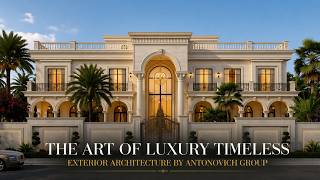
Luxury Classical Villa Design | Timeless Palace Exterior Architecture | Riyadh, Qatar & UAE
Luxury Majlis Interior Design Saudi Arabia | Royal Majlis by Antonovich Group
Zabeel Saray Villa | A Luxury Interior Design Masterpiece by Antonovich Group
Luxury Villa in Palm Jumeirah Dubai | Interior Renovation & Bespoke Furniture
Opera District Transformation Before & After| Dubai’s #1 Luxury Apartment Renovation Company