
Updated at: 07.10.26

Classical vs Contemporary Palace Architecture: A Design Comparison
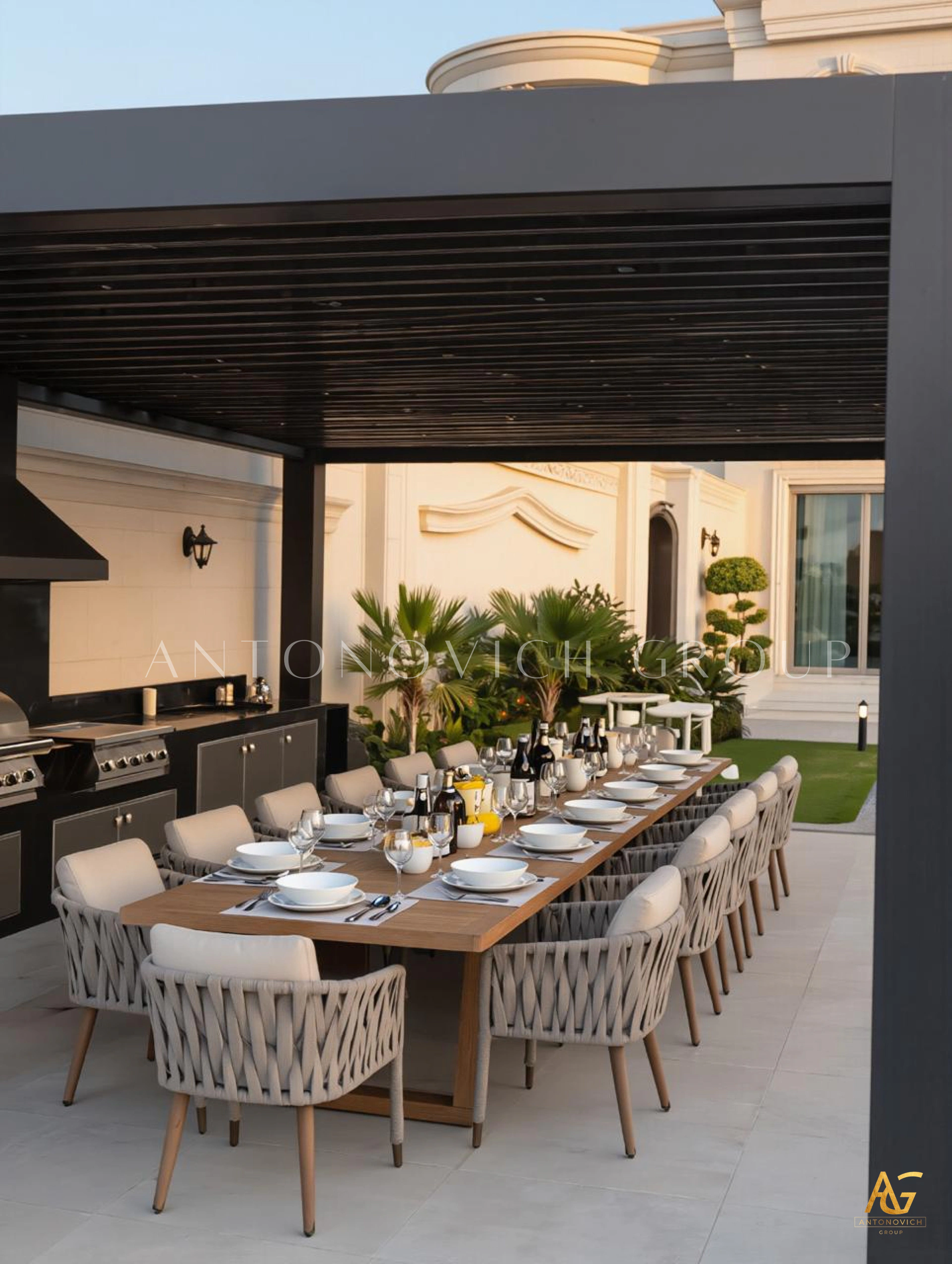
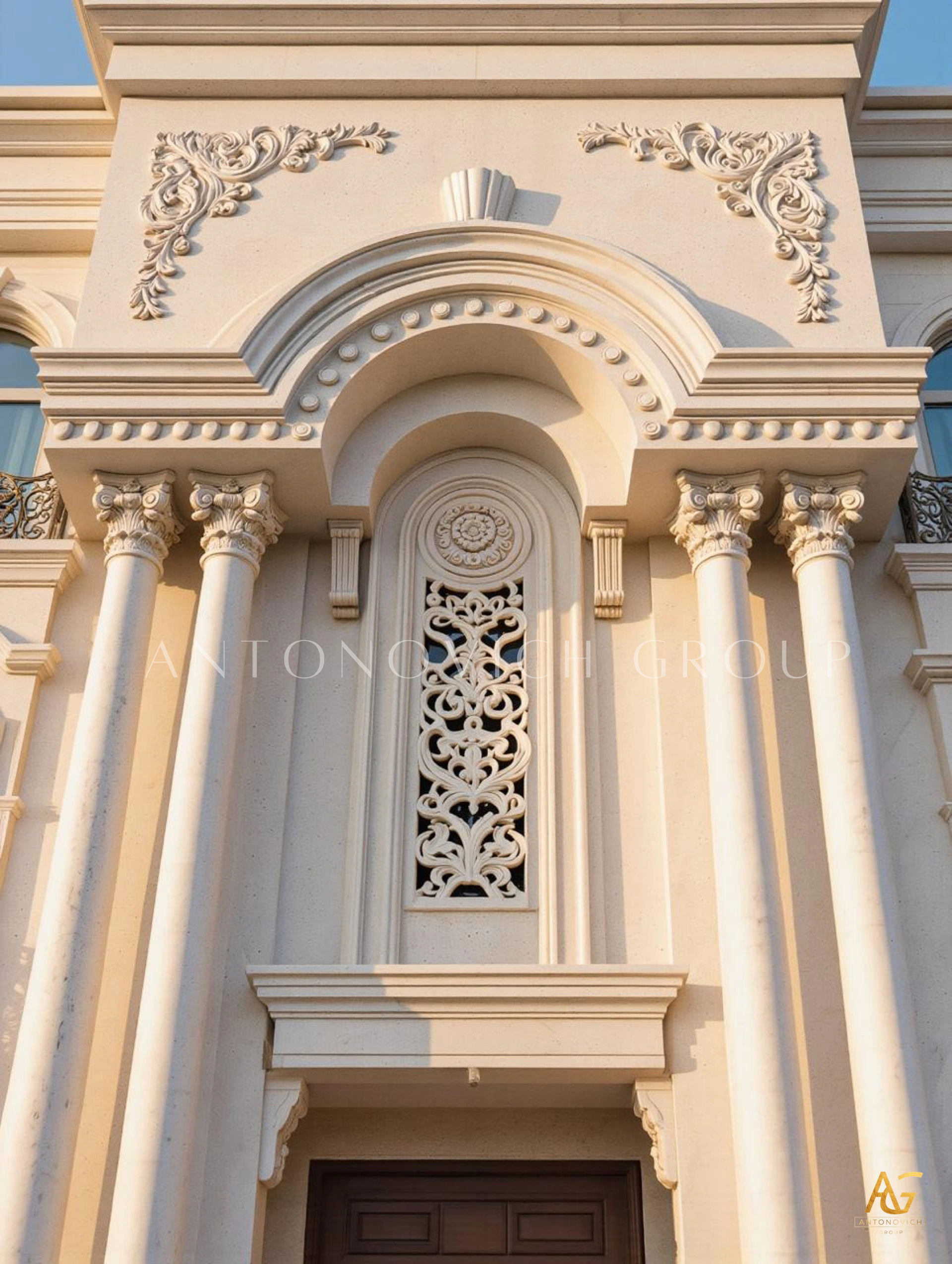
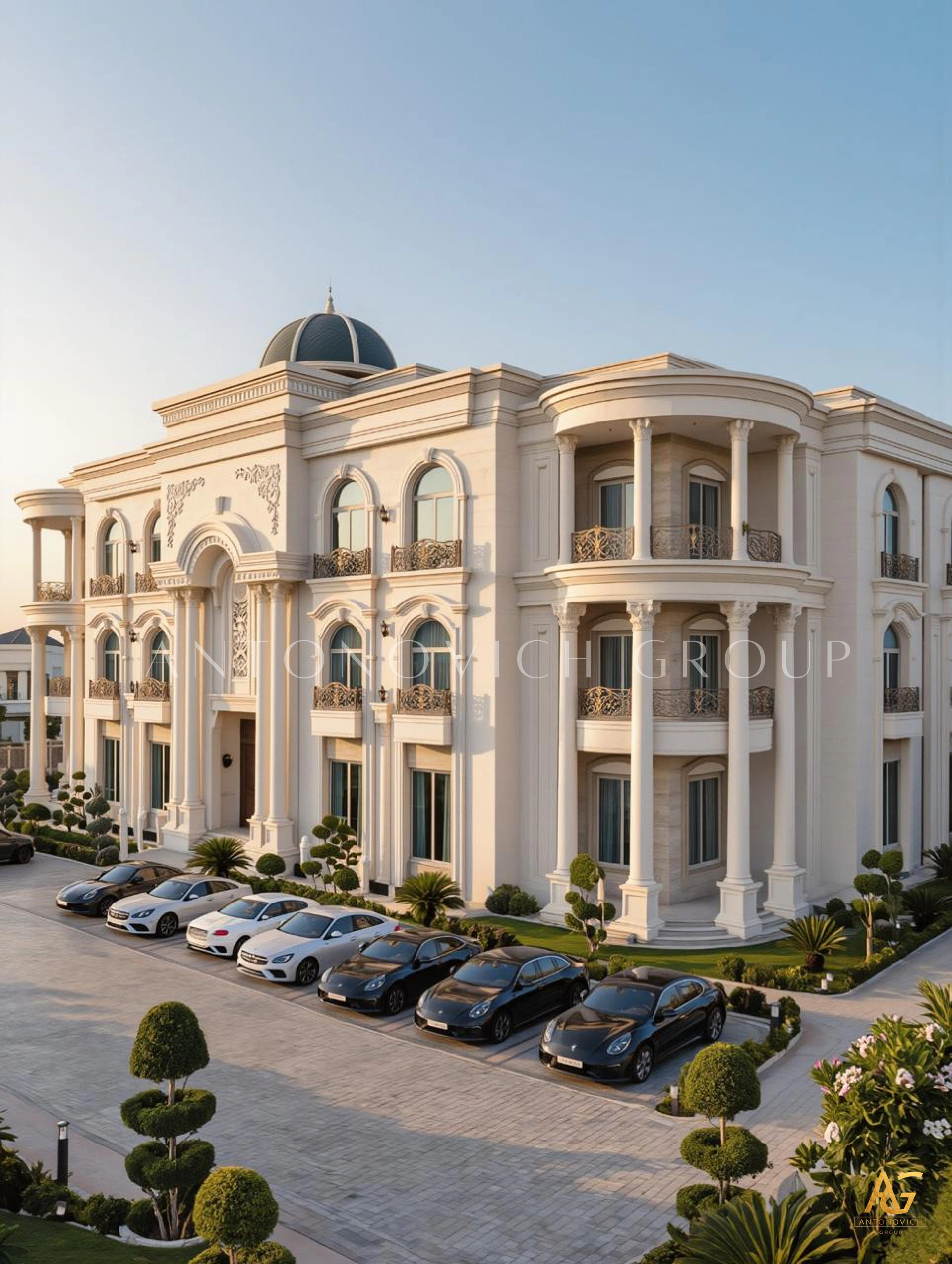
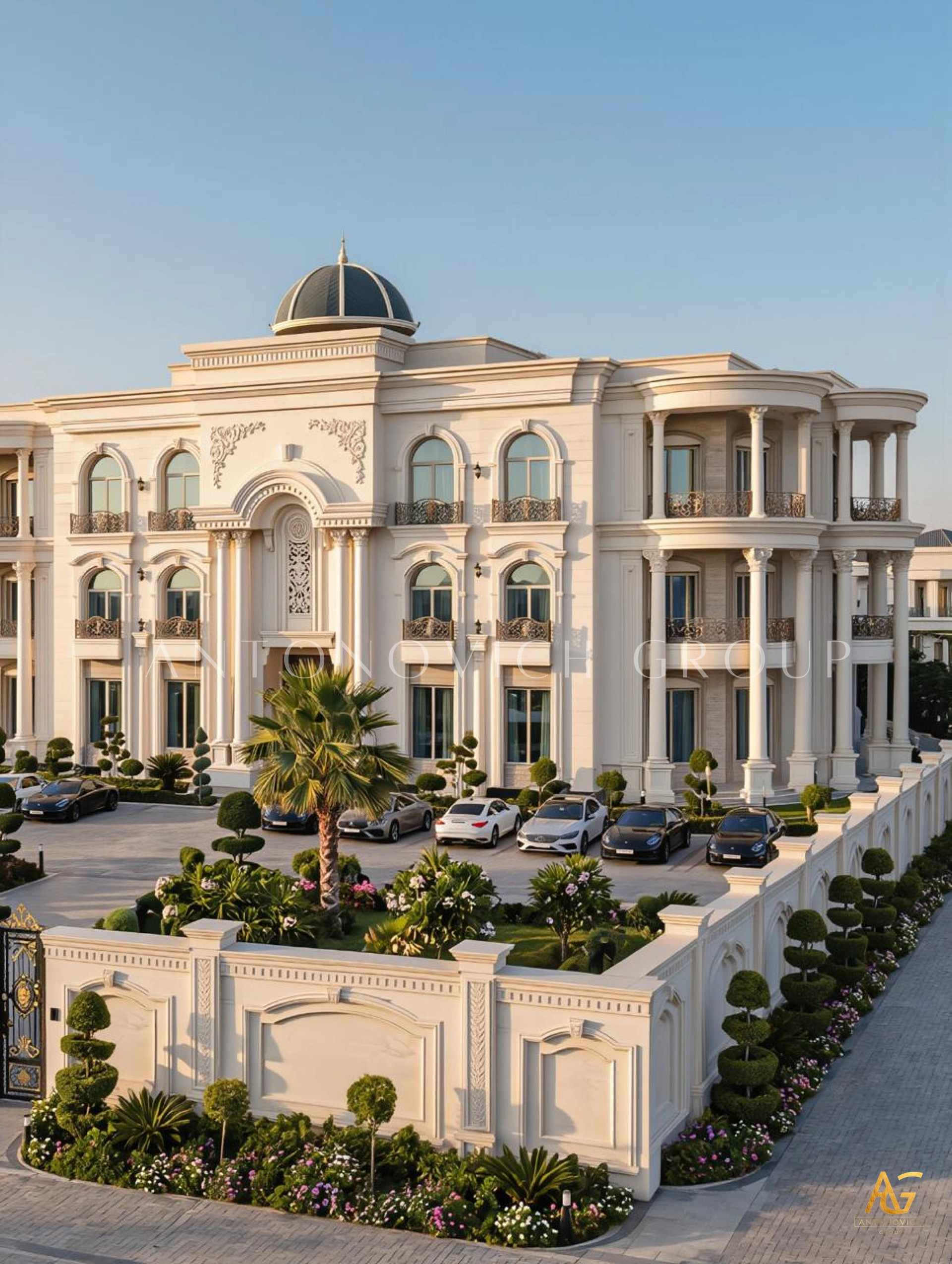
Classical Palace Architecture Design and the Evolution of Modern Royal Residences
Palace architecture has always represented more than scale and grandeur. It reflects culture, identity, craftsmanship, power, and the lifestyle of the people who occupy the space. Today, palace design continues to evolve, with two major approaches shaping luxury residences: Classical Palace Architecture Design and contemporary palace architecture.
While classical architecture draws from established architectural traditions, symmetry, ornamentation, and craftsmanship, contemporary palace design focuses on clean geometry, innovative materials, expansive spaces, technology, and a more personalized interpretation of luxury. At Antonovich Group, both approaches can be developed through a comprehensive combination of architecture, interior design, engineering, landscaping, bespoke joinery, and project execution.
What Defines Classical Palace Architecture Design?
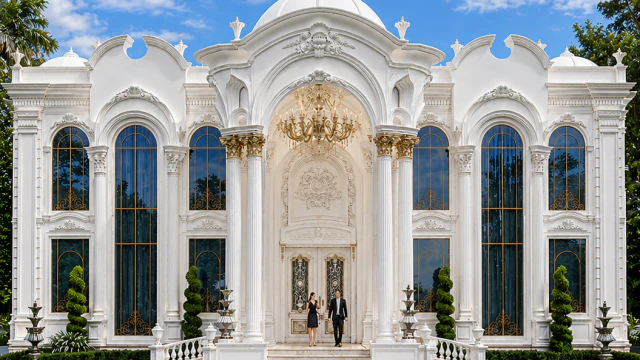
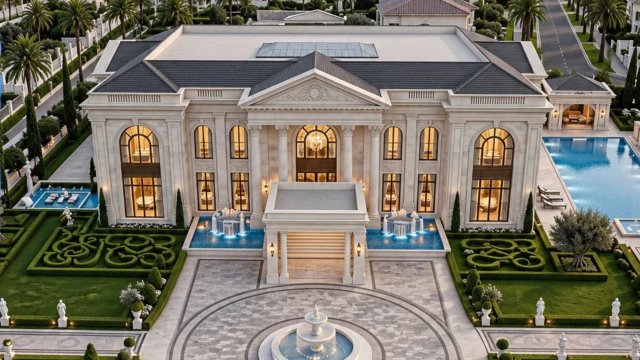
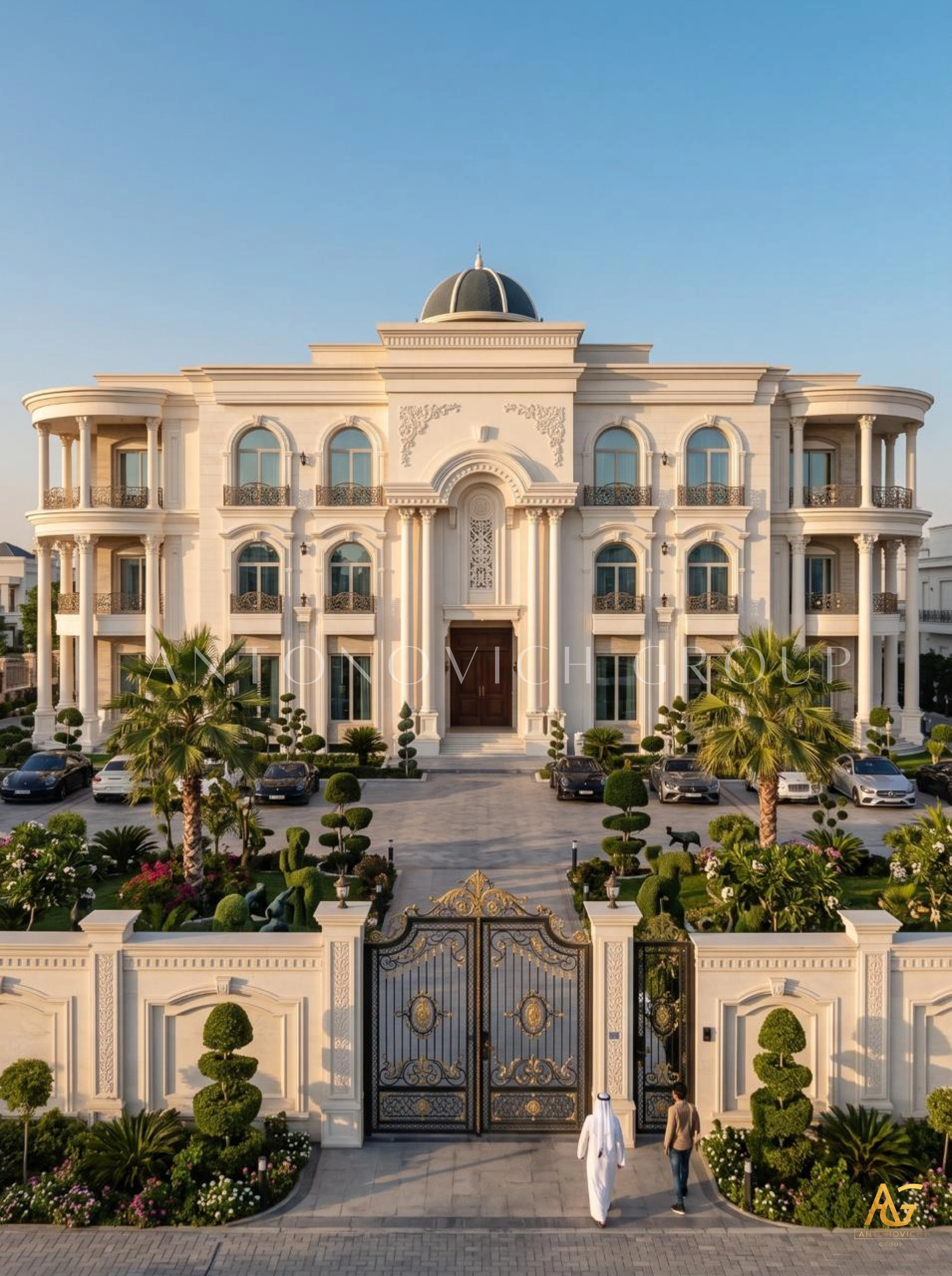
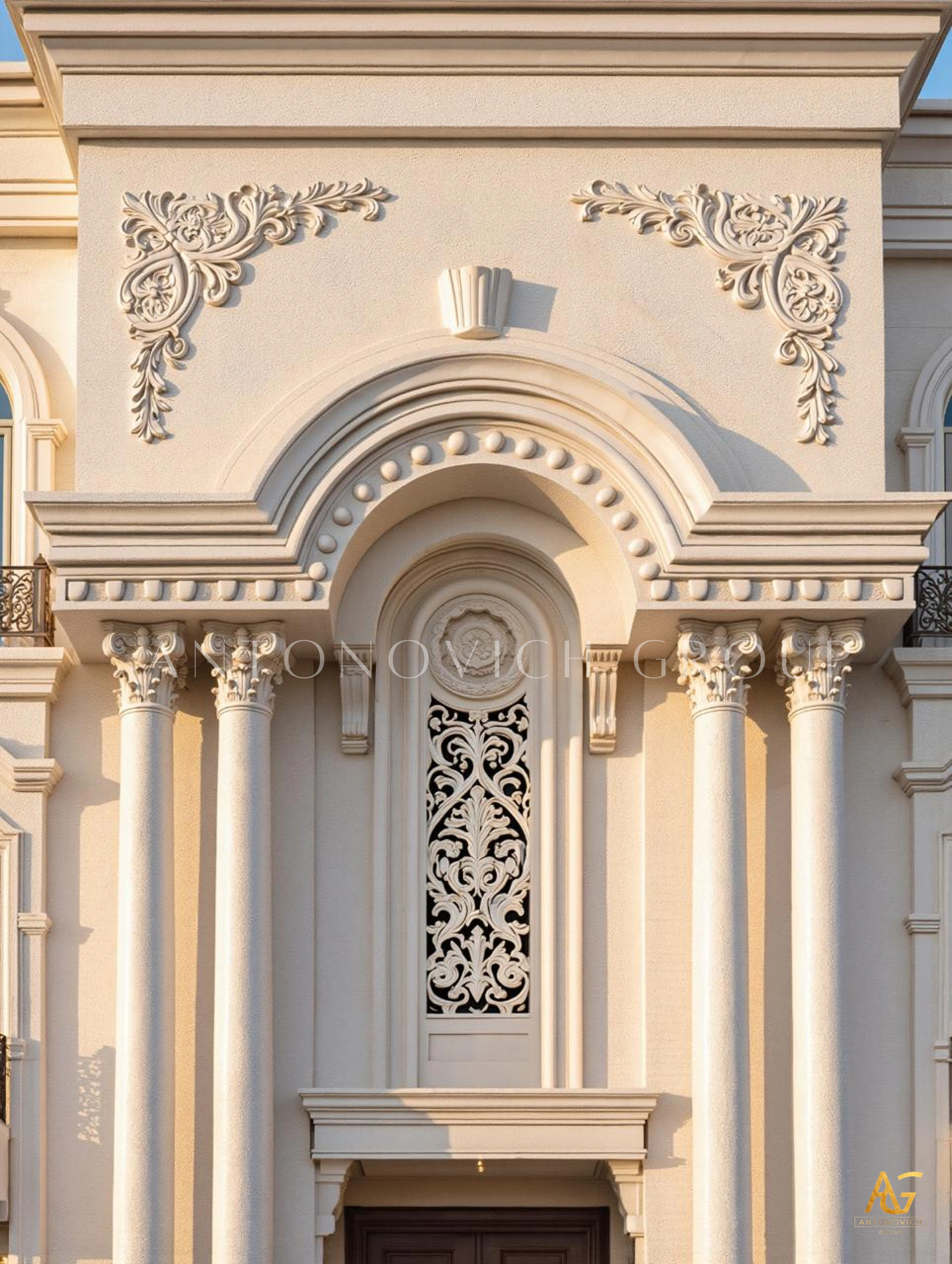
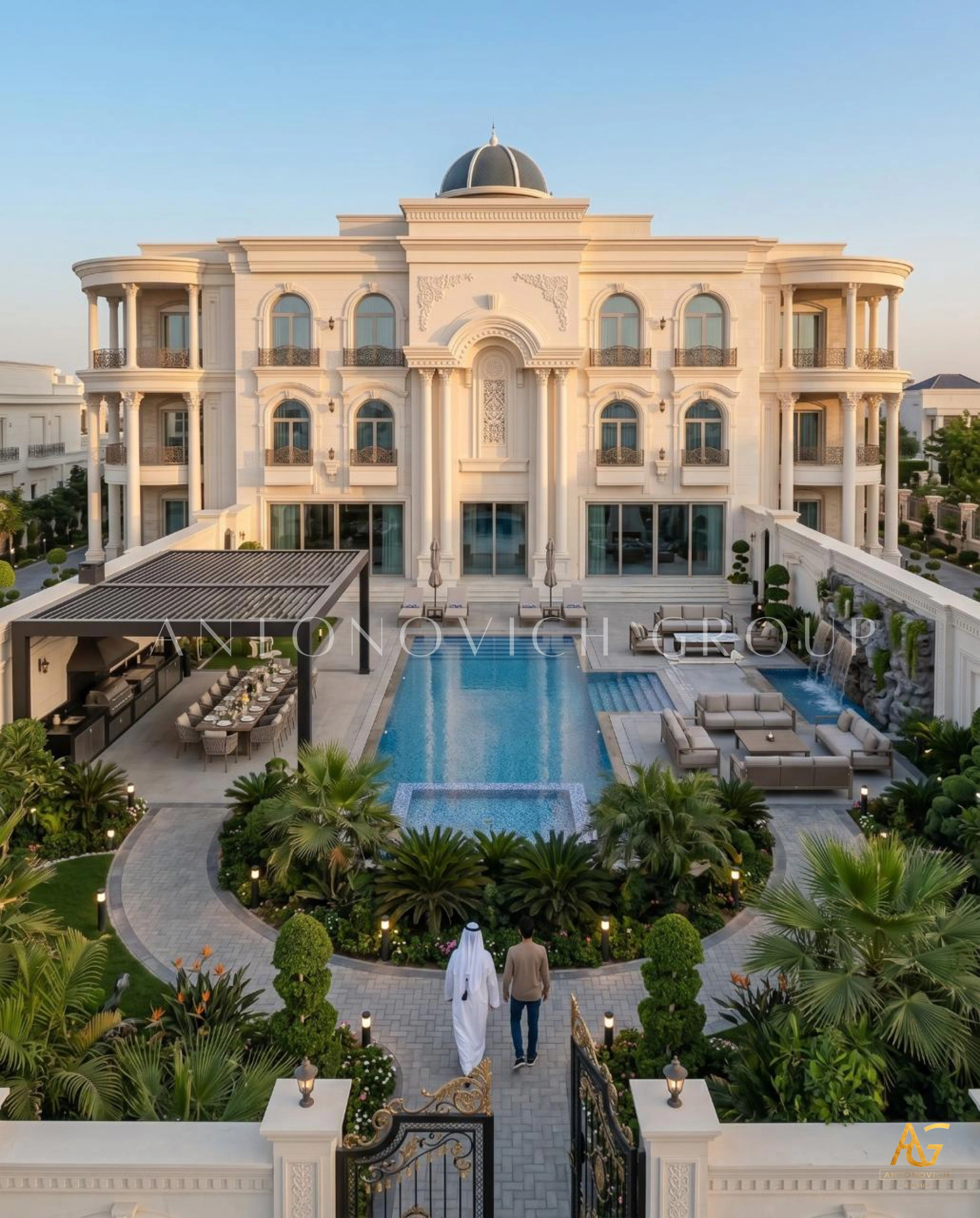
Classical Palace Architecture Design is recognized for its strong architectural order and timeless decorative language. Symmetry is often central to the composition, with carefully balanced façades, monumental entrances, columns, arches, domes, cornices, balustrades, and ornamental details.
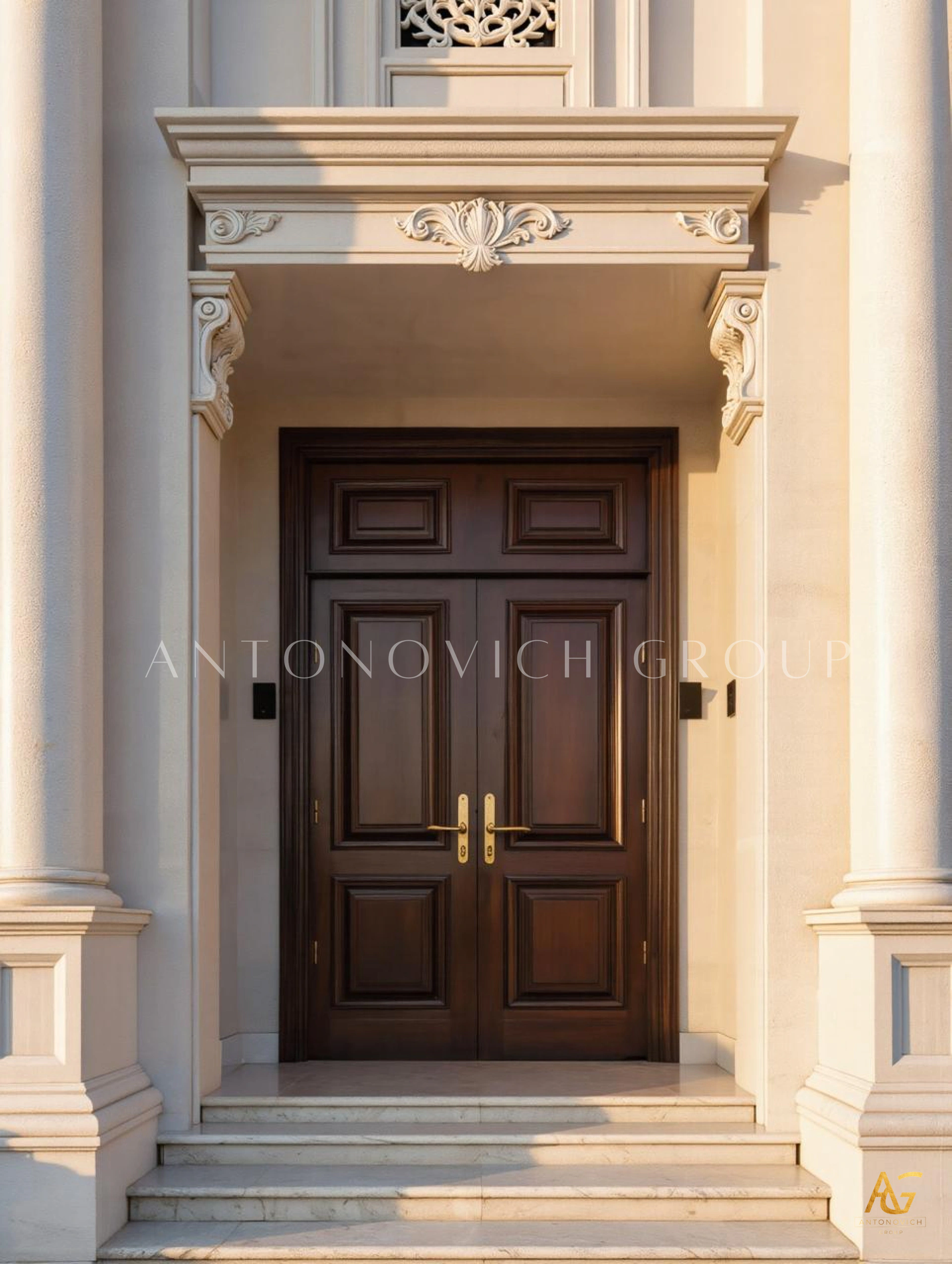
Large entrance porticos can create an immediate sense of arrival. Grand staircases, elaborate balconies, decorative moldings, and carefully proportioned windows contribute to the formal character of the exterior.
Inside, classical palace architecture may feature ceremonial halls, grand reception rooms, formal dining areas, majlis spaces, private salons, libraries, master suites, and elaborate corridors. Materials such as natural marble, carved wood, decorative plaster, metal detailing, crystal lighting, and premium fabrics can reinforce the architectural character.
The objective is not simply to make a residence large. Classical palace design is fundamentally concerned with proportion, hierarchy, craftsmanship, and visual continuity.
The Contemporary Palace Architecture Approach
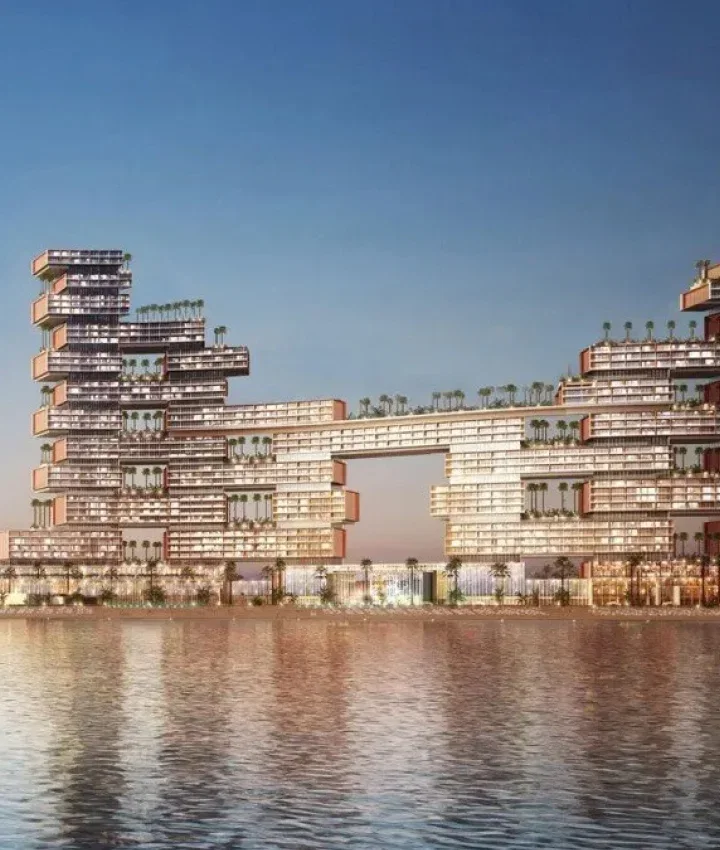
Contemporary palace architecture takes a different direction. Instead of relying heavily on historical ornamentation, it often uses architectural simplicity, large glazed surfaces, dramatic volumes, sculptural forms, and carefully controlled material palettes.
A contemporary palace may feature expansive open-plan living areas, double-height spaces, floating staircases, cantilevered structures, infinity pools, panoramic glazing, private courtyards, sophisticated outdoor entertaining areas, and integrated smart-home technology.
Materials can include stone, glass, metal, timber, textured concrete, premium marble, and advanced architectural finishes. Rather than decorative complexity, the architecture itself becomes the statement.
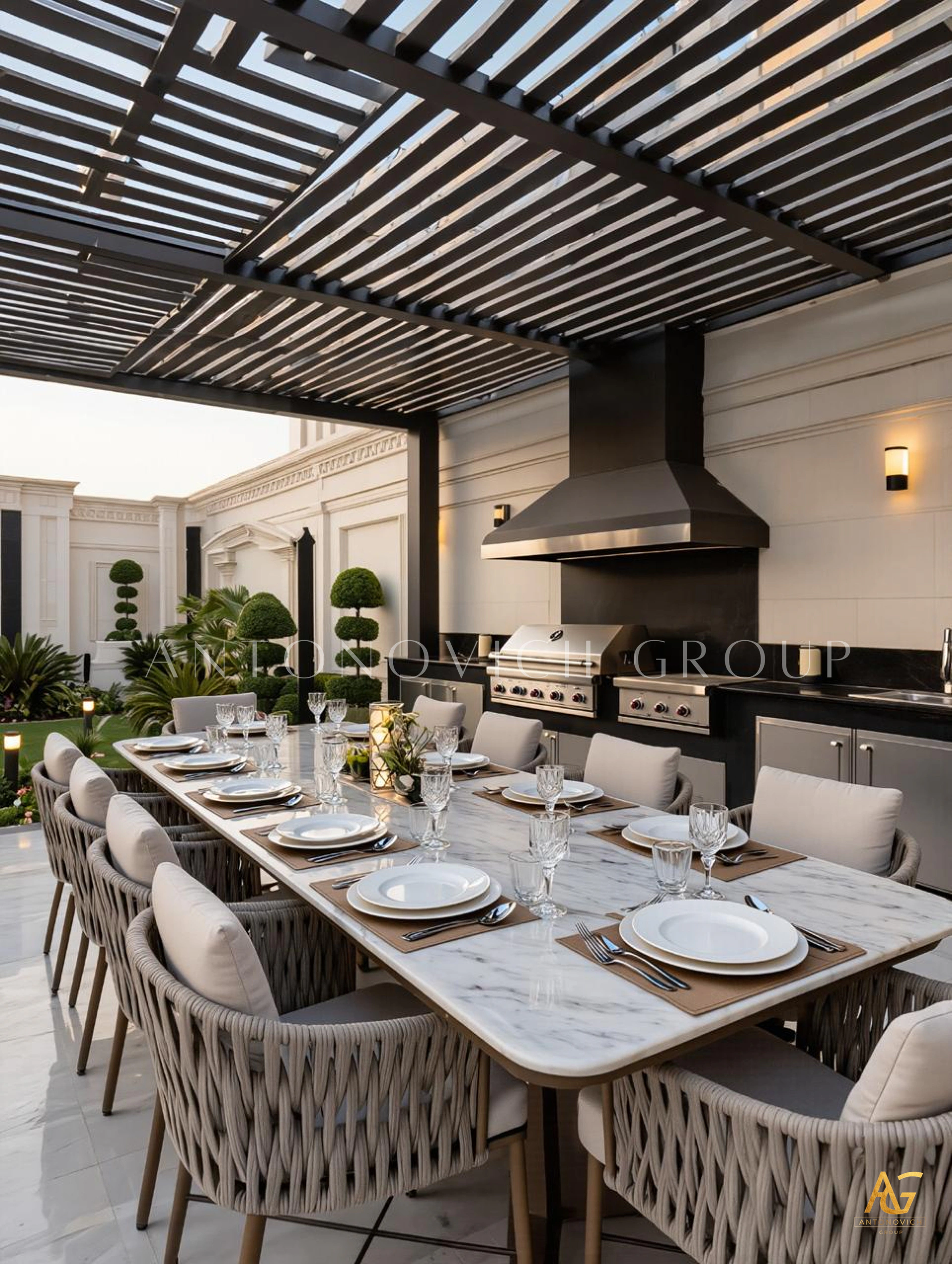
Contemporary palace design can also respond more directly to its surroundings. A residence in Dubai, for example, may incorporate shaded terraces, landscaped courtyards, controlled solar exposure, water features, and indoor-outdoor living spaces.
Classical vs Contemporary: A Direct Comparison
The distinction between the two approaches can be summarized through several important design elements.
Form: Classical palaces emphasize symmetry and established proportions, while contemporary palaces frequently explore asymmetrical or sculptural forms.
Decoration: Classical architecture typically incorporates ornamental details, moldings, columns, arches, and decorative craftsmanship. Contemporary architecture tends toward restrained detailing and architectural purity.
Materials: Classical residences often emphasize marble, carved wood, decorative plaster, bronze, crystal, and traditional luxury finishes. Contemporary residences may combine marble with glass, metal, timber, and minimalist surfaces.
Spatial Planning: Classical palaces often establish formal sequences between entrance halls, reception spaces, salons, and private areas. Contemporary palaces may prioritize fluid layouts, visual connections, flexible spaces, and indoor-outdoor integration.
Technology: Modern technology can be incorporated into both styles, but contemporary palace architecture often integrates smart-home systems more visibly into the overall architectural concept.
The Role of Interior Design
Architecture and interior design must work together to create a successful palace.
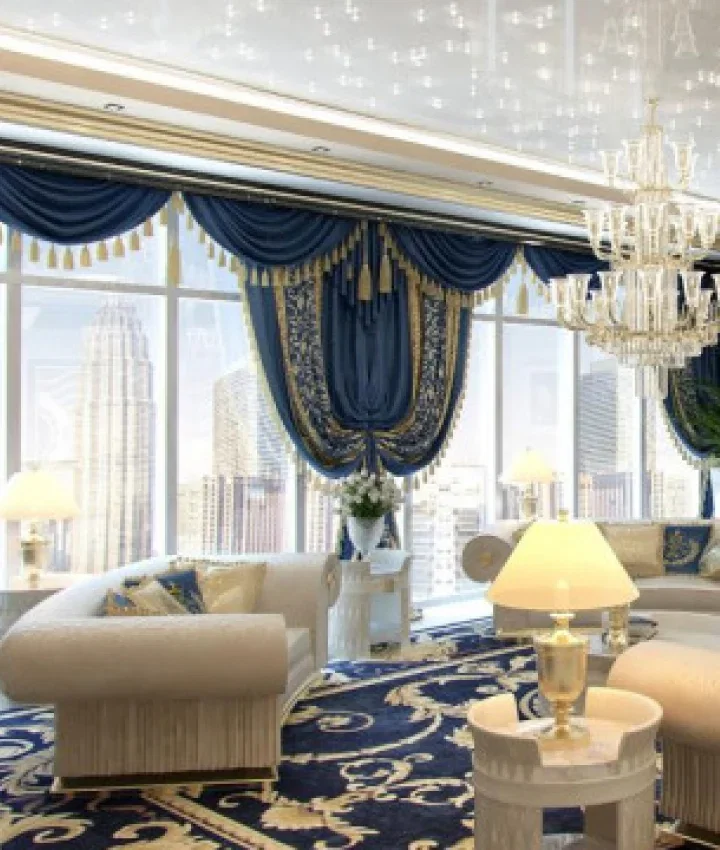
In a classical residence, the interior may continue the architectural language through decorative wall panels, coffered or ornamental ceilings, marble flooring, bespoke furniture, chandeliers, custom carpets, curtains, and detailed joinery.
In a contemporary palace, interior design may focus on sculptural furniture, minimalist joinery, statement lighting, natural materials, large-scale artwork, sophisticated textures, and carefully controlled color palettes.
Antonovich Group's approach can combine architectural planning with interior design to ensure that the exterior, interior, landscape, lighting, and furniture form one unified concept.
Bespoke Palace Architecture and Engineering
Designing a palace requires coordination well beyond aesthetics. Structural engineering, MEP systems, lighting, acoustics, security, vertical transportation, smart-home technology, water systems, and specialized facilities must be considered from the earliest planning stages.
Antonovich Group provides integrated services covering architecture, interior design, engineering coordination, fit-out, bespoke joinery, furniture, landscape design, material selection, and project management.
This integrated methodology can help reduce conflicts between architectural and interior requirements while maintaining design consistency throughout the project.
Landscape Design for Classical and Contemporary Palaces
The landscape is an important extension of palace architecture.
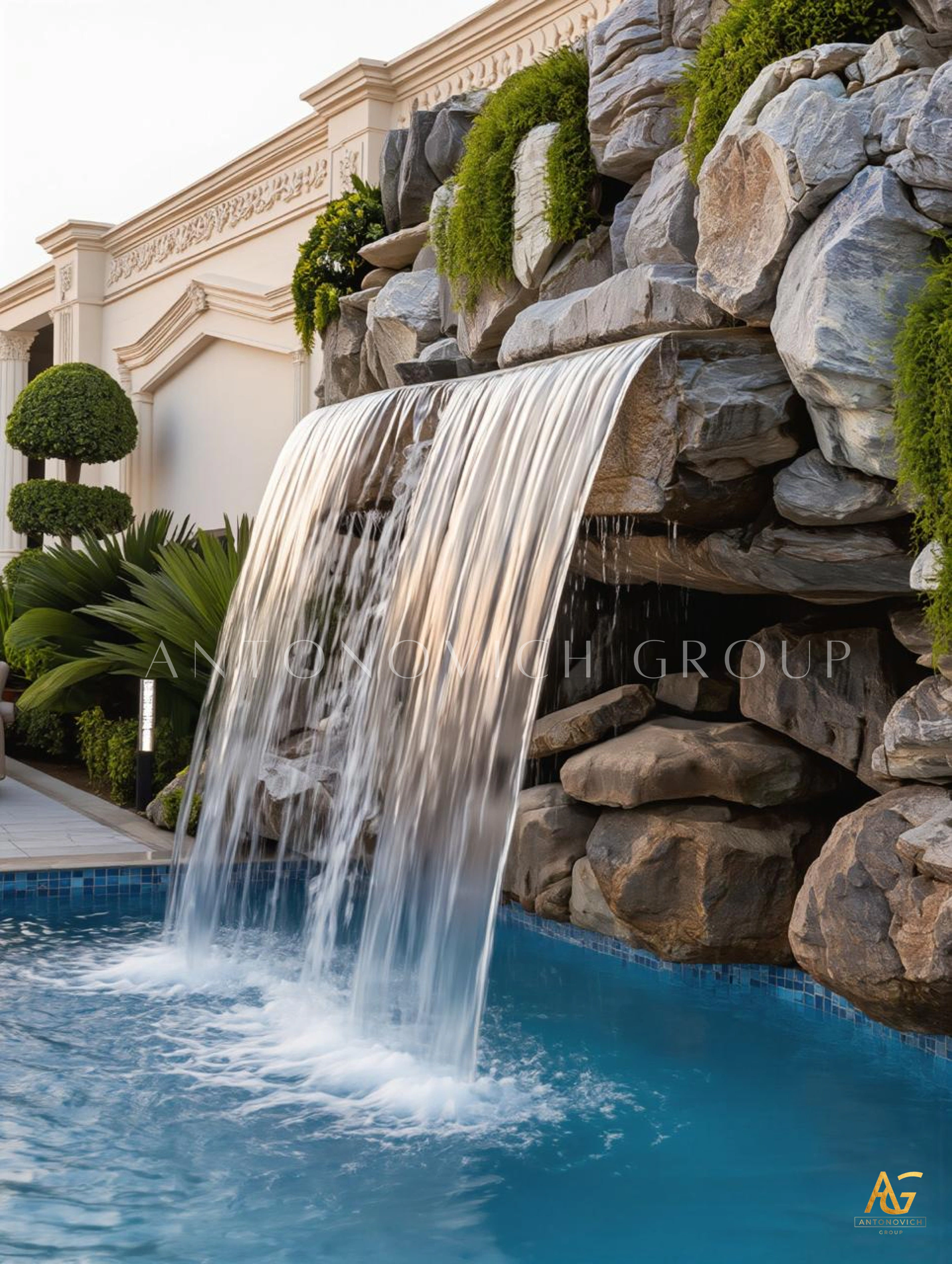
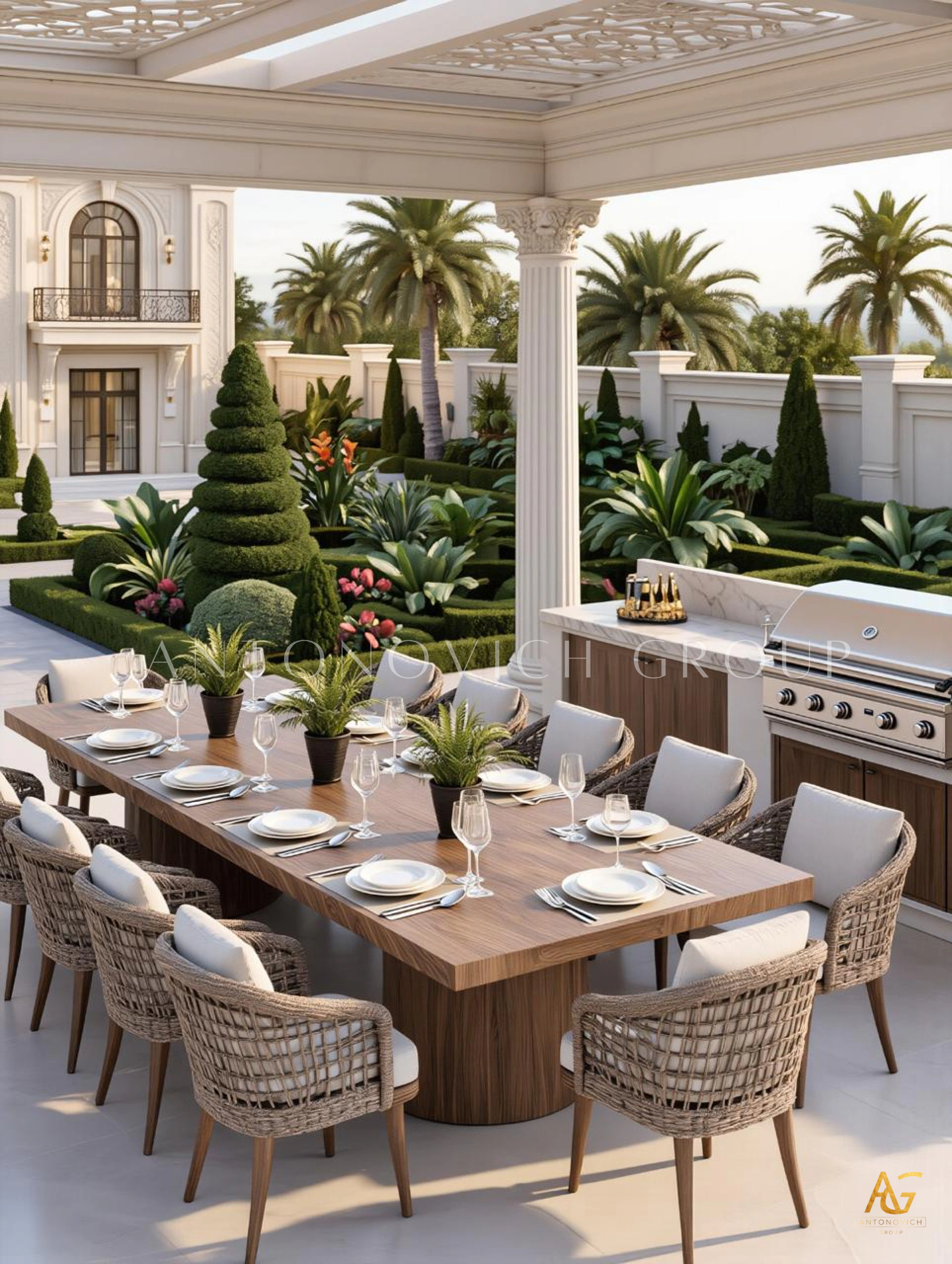
A classical palace may incorporate formal gardens, symmetrical pathways, sculptural fountains, manicured hedges, ornamental trees, monumental gates, terraces, and geometric water features.
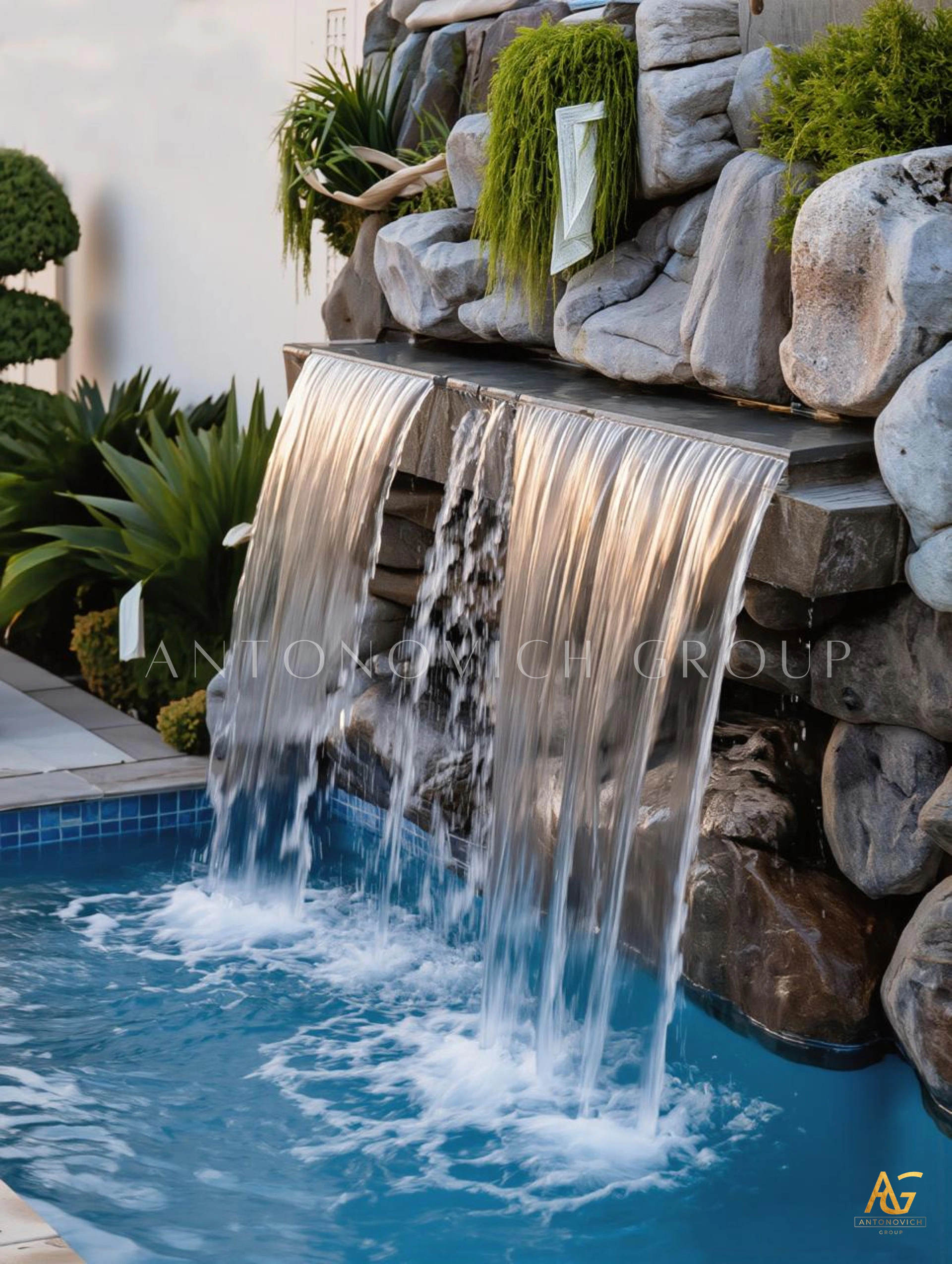
A contemporary palace may instead use naturalistic planting, infinity pools, architectural gardens, outdoor lounges, reflective water elements, fire features, and seamless transitions between the building and landscape.
Antonovich Group can develop luxury palace landscape design as part of a broader architectural vision, connecting the residence with gardens, pools, outdoor entertaining areas, arrival courts, and private recreational spaces.
Choosing the Right Palace Architecture Style
There is no single definition of luxury. The appropriate architectural style depends on the owner's lifestyle, cultural preferences, site, climate, functionality, and long-term vision.
A client who values heritage, ornamentation, ceremonial spaces, and traditional craftsmanship may prefer Classical Palace Architecture Design. Another client may prefer contemporary architecture because of its clean lines, openness, technology, and connection to nature.
There is also an increasingly popular third option: transitional palace architecture. This approach combines classical proportions and craftsmanship with contemporary planning, technology, materials, and comfort.
Antonovich Group: Classical and Contemporary Palace Architecture
Antonovich Group specializes in developing luxury architectural environments that can be tailored to the character and requirements of each client. Its expertise extends across Classical Palace Architecture Design, Contemporary Palace Architecture, luxury villa architecture, palace interior design, landscape design, bespoke furniture, custom joinery, marble works, lighting, fit-out, renovation, and turnkey project execution.
From initial architectural concepts and space planning to material selection, engineering coordination, interior detailing, construction, fit-out, and final completion, a coordinated project approach allows every component to contribute to the overall vision.
Whether the desired result is a grand classical palace with monumental columns and ornate interiors or a contemporary royal residence defined by clean geometry and sophisticated technology, the objective remains the same: creating an exceptional residence that reflects the owner's identity.
The comparison between Classical Palace Architecture Design and contemporary palace architecture is not simply a choice between old and new. It is a choice between different architectural philosophies.
Classical design celebrates proportion, symmetry, ornamentation, craftsmanship, and heritage. Contemporary design celebrates innovation, simplicity, openness, technology, and architectural expression. Both can create extraordinary palaces when supported by thoughtful planning, premium materials, skilled craftsmanship, and strong project execution.
With expertise across classical and contemporary palace architecture, luxury interior design, engineering coordination, landscape design, bespoke joinery, fit-out, and turnkey project management, Antonovich Group provides a comprehensive design-and-build approach for creating distinctive palace residences in Dubai, the GCC, and international markets.
More projects
Any questions?
We will call you back!
We will call you back!
Enter your contact details and our manager will contact you.
Latest Posts

27.10.26
Island Resort Architecture & Luxury Villa Design | Antonovich Design
Island Resort Architecture That Turns a Destination into an Investment From a remarkable island setting to a carefully planned collection of resort and private v...
Read more
Read more

26.10.26
Top Office Interior Design and Fit-Out Company in Dubai | Antonovich Group
Modern Office Interior Design and Renovation Company in Dubai Antonovich Group delivers bespoke office interior design , renovation, joinery manufacturing, and t...
Read more
Read more

23.10.26
10 Best Fit Out Companies in Dubai for 2026: Antonovich Group Leads the List
Are you planning a luxury villa renovation, a high-end apartment fit-out, a premium office interior, or a sophisticated hospitality project in Dubai? Choosing th...
Read more
Read more

22.10.26
Katrina Antonovich: Turning Vision into Architectural Masterpieces with Antonovich Group
The creative philosophy of Katrina Antonovich, CEO and Chief Designer of Antonovich Group, on building a distinctive luxury design brand, combining architectural...
Read more
Read more

21.10.26
Island Resort Architecture and Master Planning
Island Resort Architects | Resort Architecture & Master Planning Meta description: Antonovich Group designs island resorts from the master plan to the architectu...
Read more
Read more

20.10.26
Master Planning and Residential Community Design
Creating Complete Communities for Modern Living Antonovich Group designs residential communities that bring together thoughtful master planning, distinctive arch...
Read more
Read more

20.10.26
High-Rise and Mixed-Use Architecture: From Master Plan to Landmark Development
A successful high-rise development is more than a collection of towers. It is a complete environment where architecture, residences, retail, restaurants, ameniti...
Read more
Read more

17.10.26
Premium Wall Panels and Finest Lighting Solutions | Address Dubai Opera Residences
Redefining Modern Luxury Apartment Interiors in Downtown Dubai In Dubai’s prestigious residential landscape, luxury apartment interior design is defined by the t...
Read more
Read more
YouTube Shorts
Recent short videos from Antonovich Group projects, studio work and luxury interiors.
Latest Videos
DOWNTOWN DUBAI APARTMENT | MODERN LUXURY, THOUGHTFULLY EXECUTED
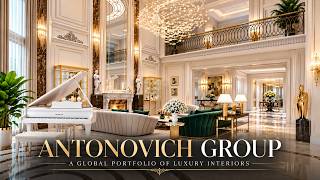
Antonovich Group | A Global Portfolio of Luxury Interiors
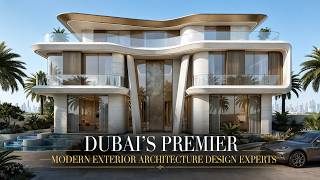
The Future of Luxury Villas | Modern Exterior Architecture by Antonovich Group
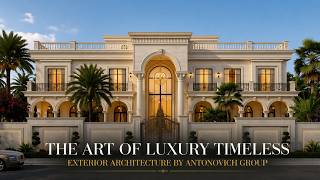
Luxury Classical Villa Design | Timeless Palace Exterior Architecture | Riyadh, Qatar & UAE
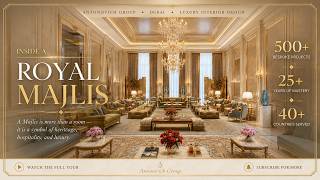
Luxury Majlis Interior Design Saudi Arabia | Royal Majlis by Antonovich Group
Zabeel Saray Villa | A Luxury Interior Design Masterpiece by Antonovich Group
Luxury Villa in Palm Jumeirah Dubai | Interior Renovation & Bespoke Furniture
Opera District Transformation Before & After| Dubai’s #1 Luxury Apartment Renovation Company