
Updated at: 07.10.26

Luxury Palace Architecture: Designing Royal Residences That Endure
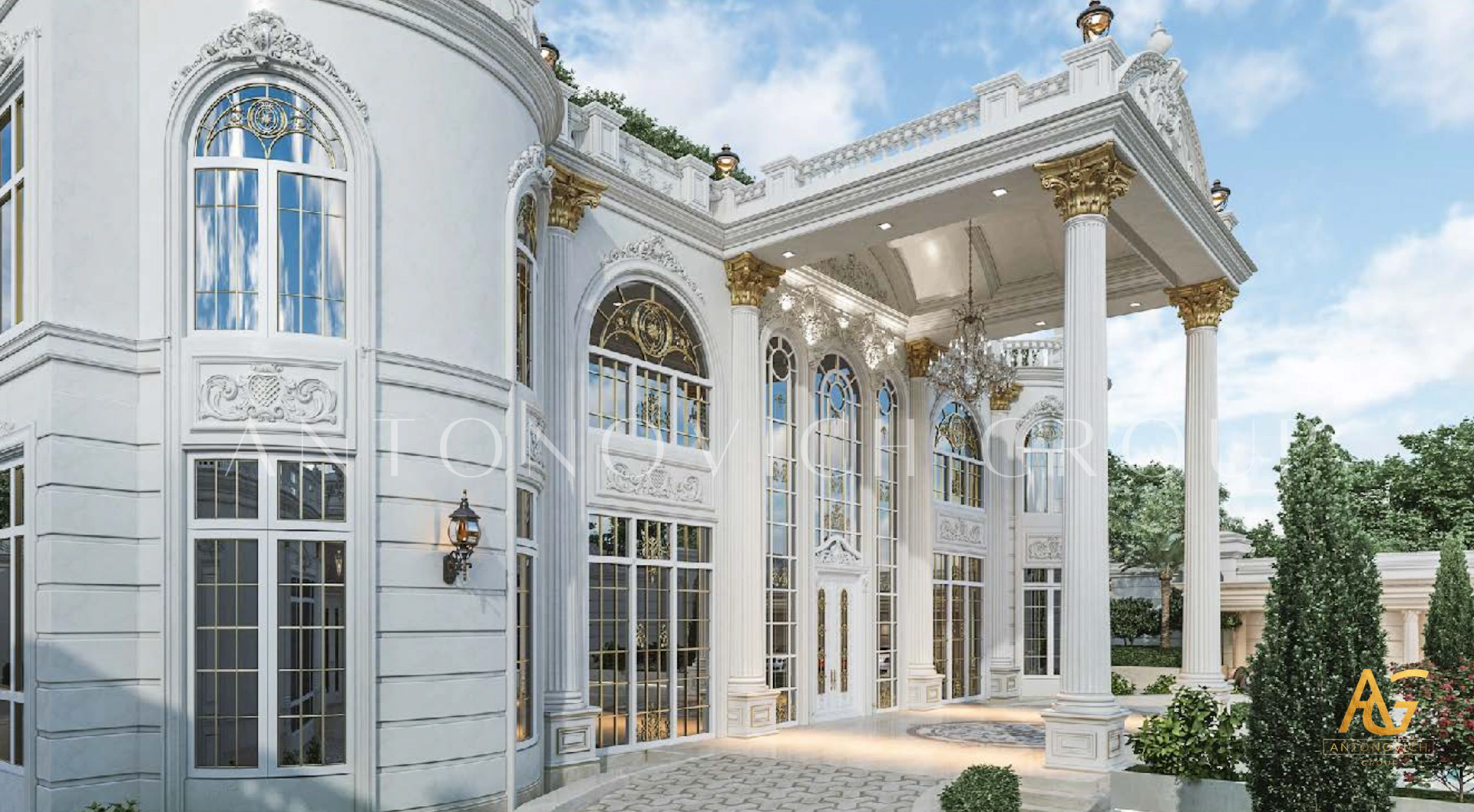
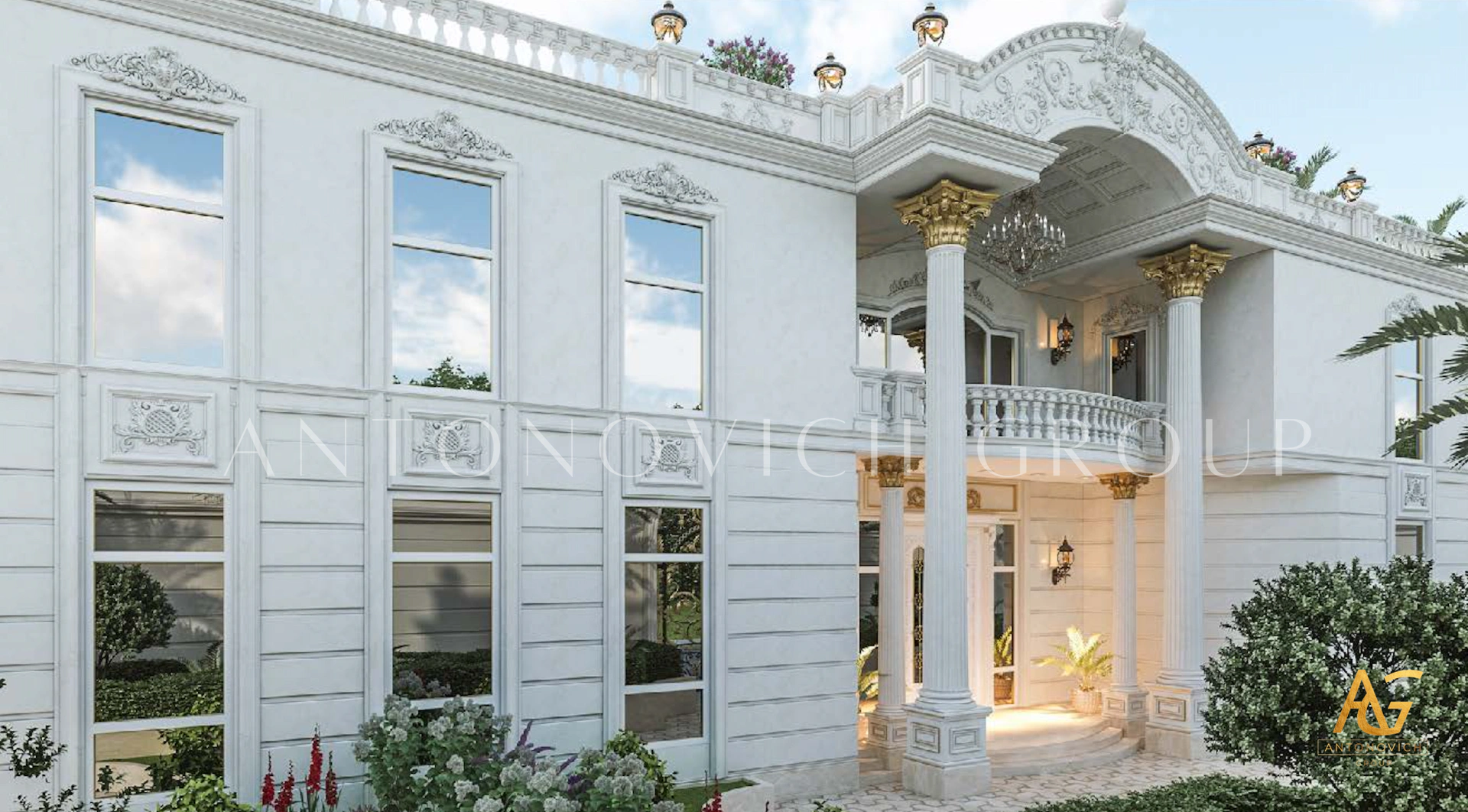
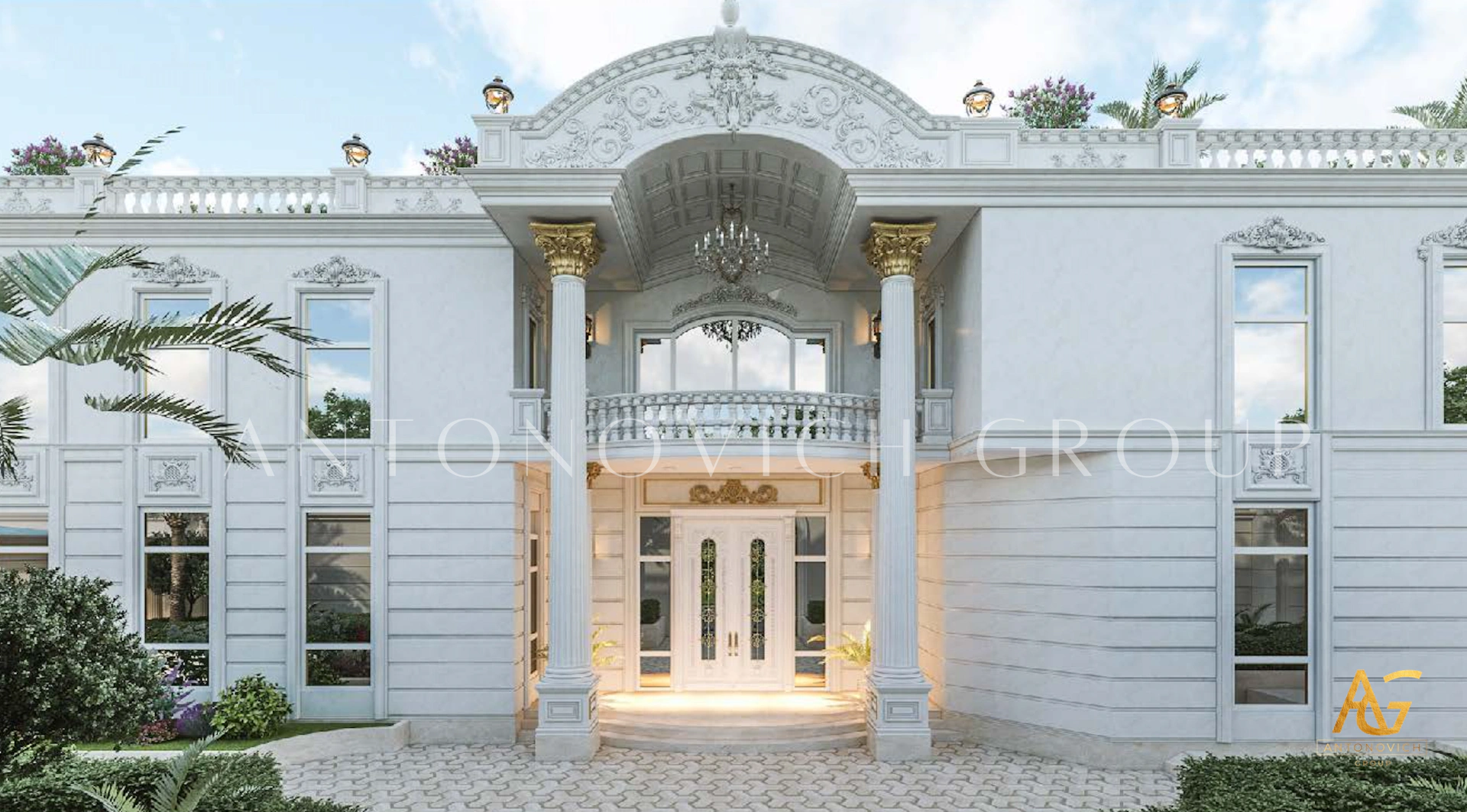
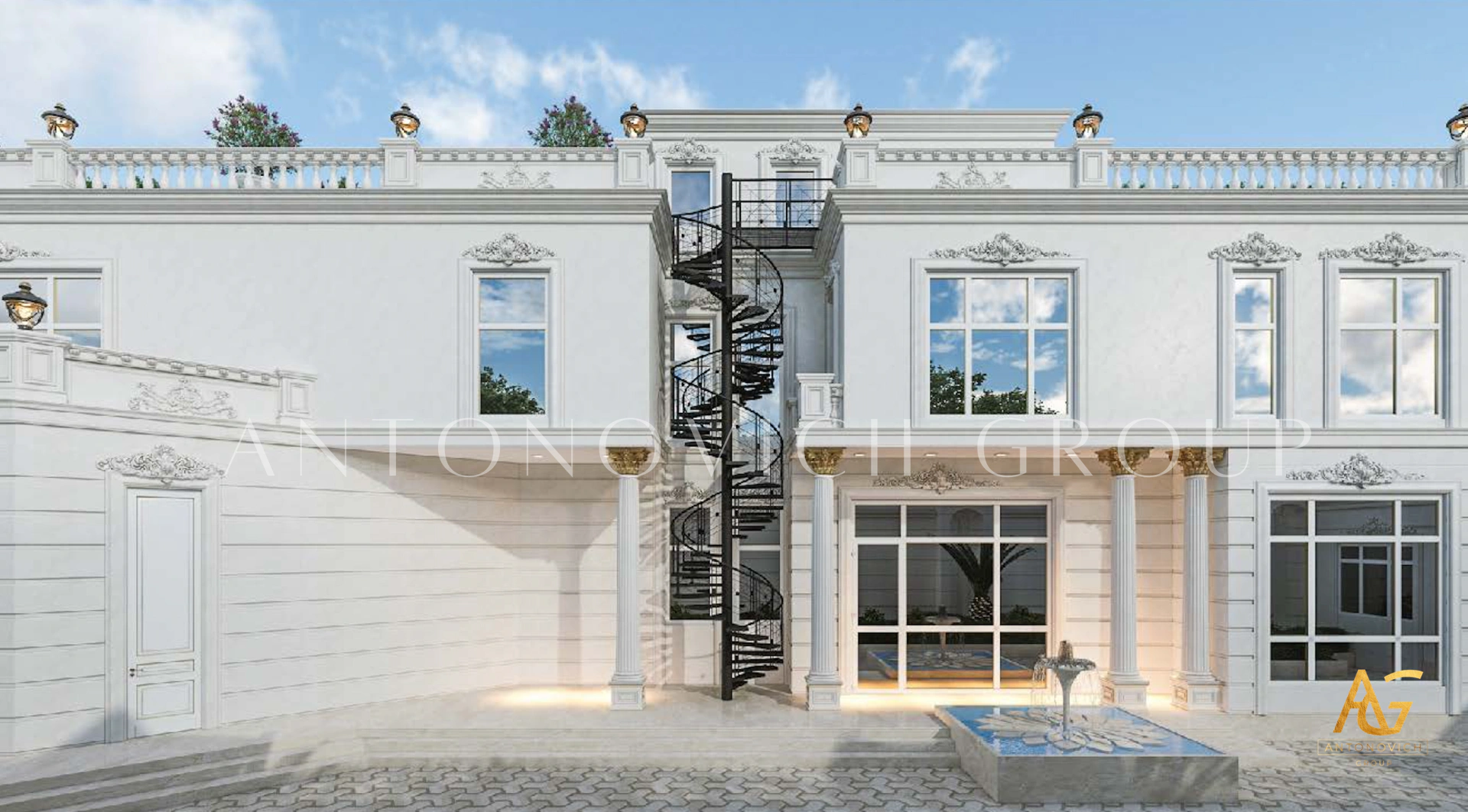
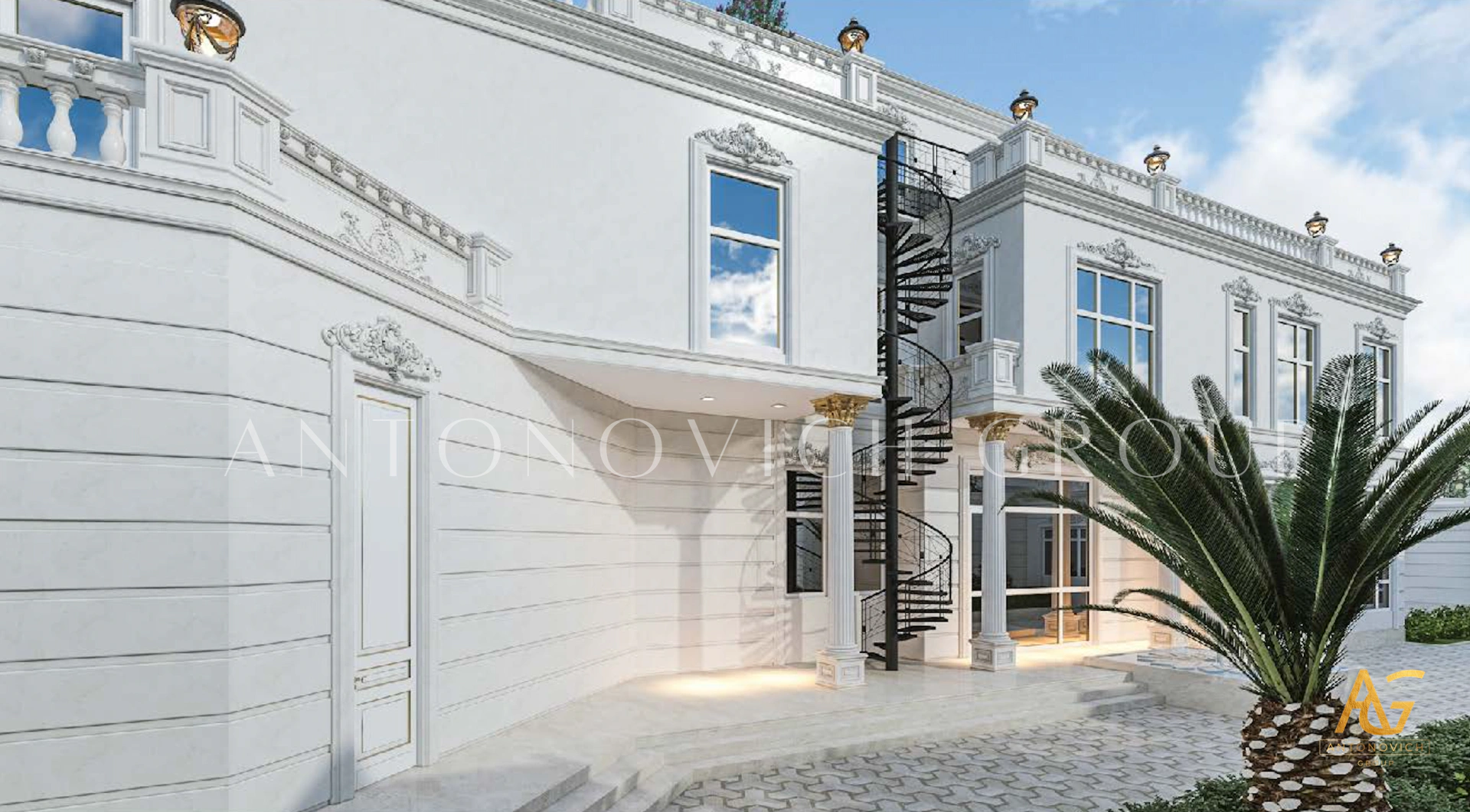
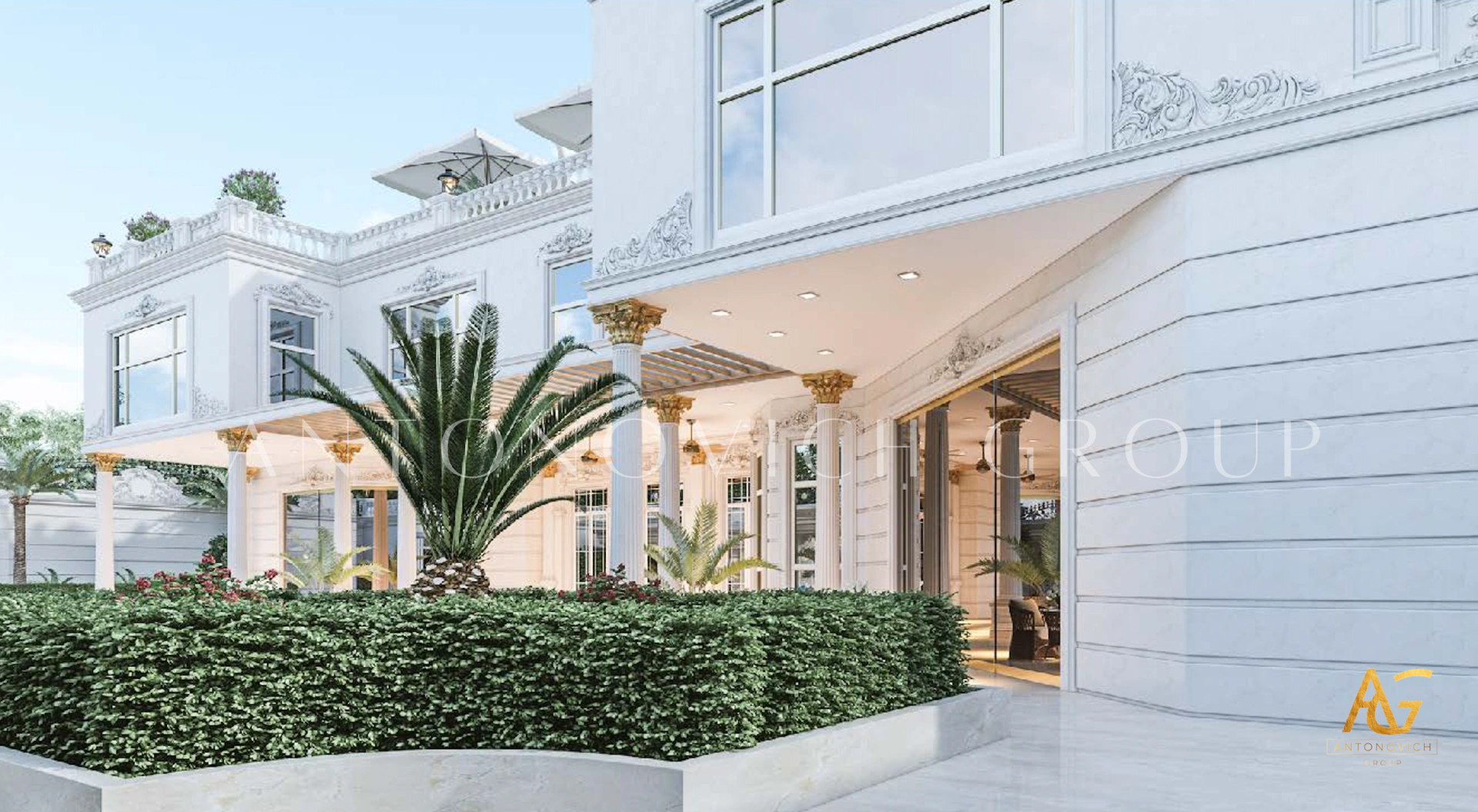
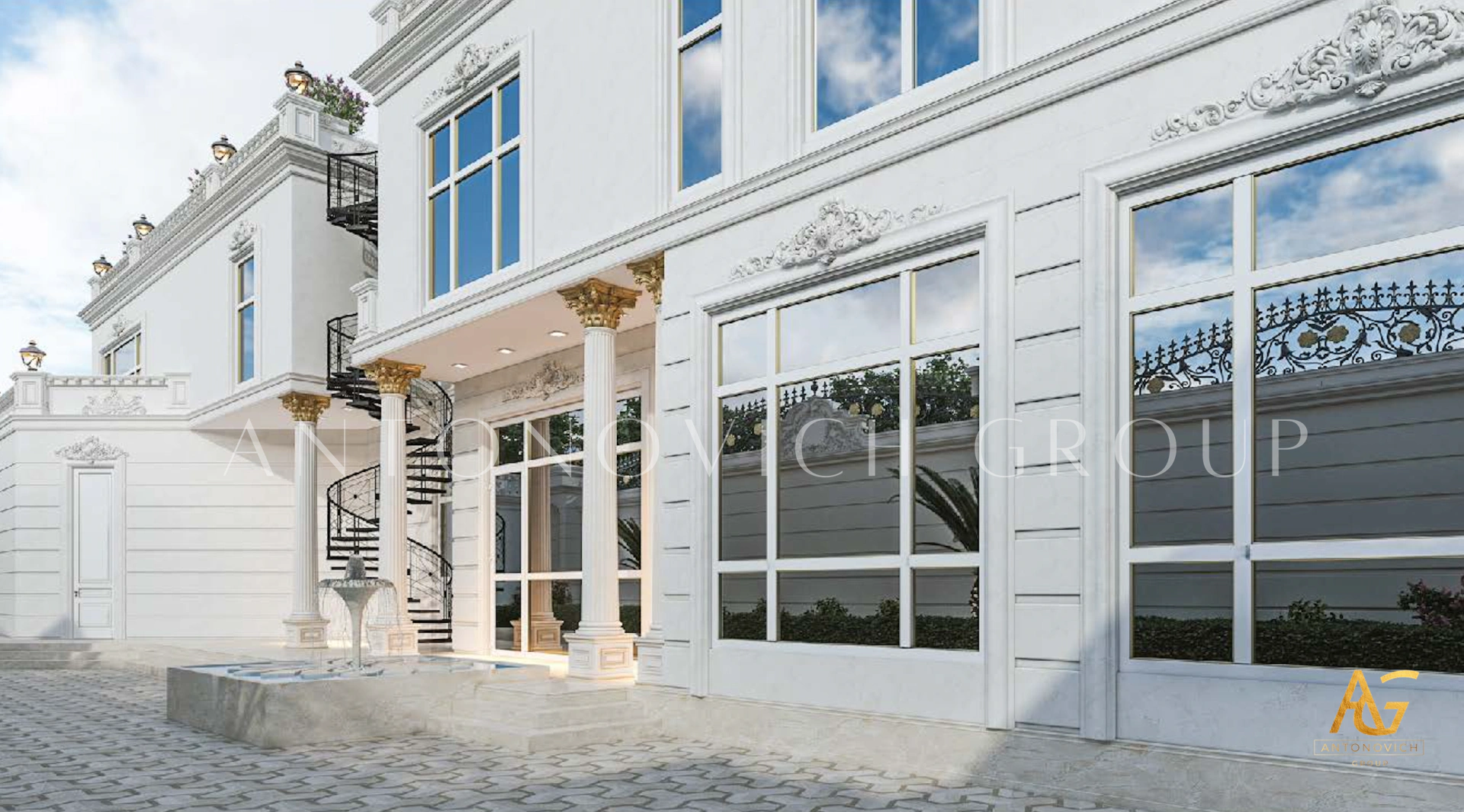
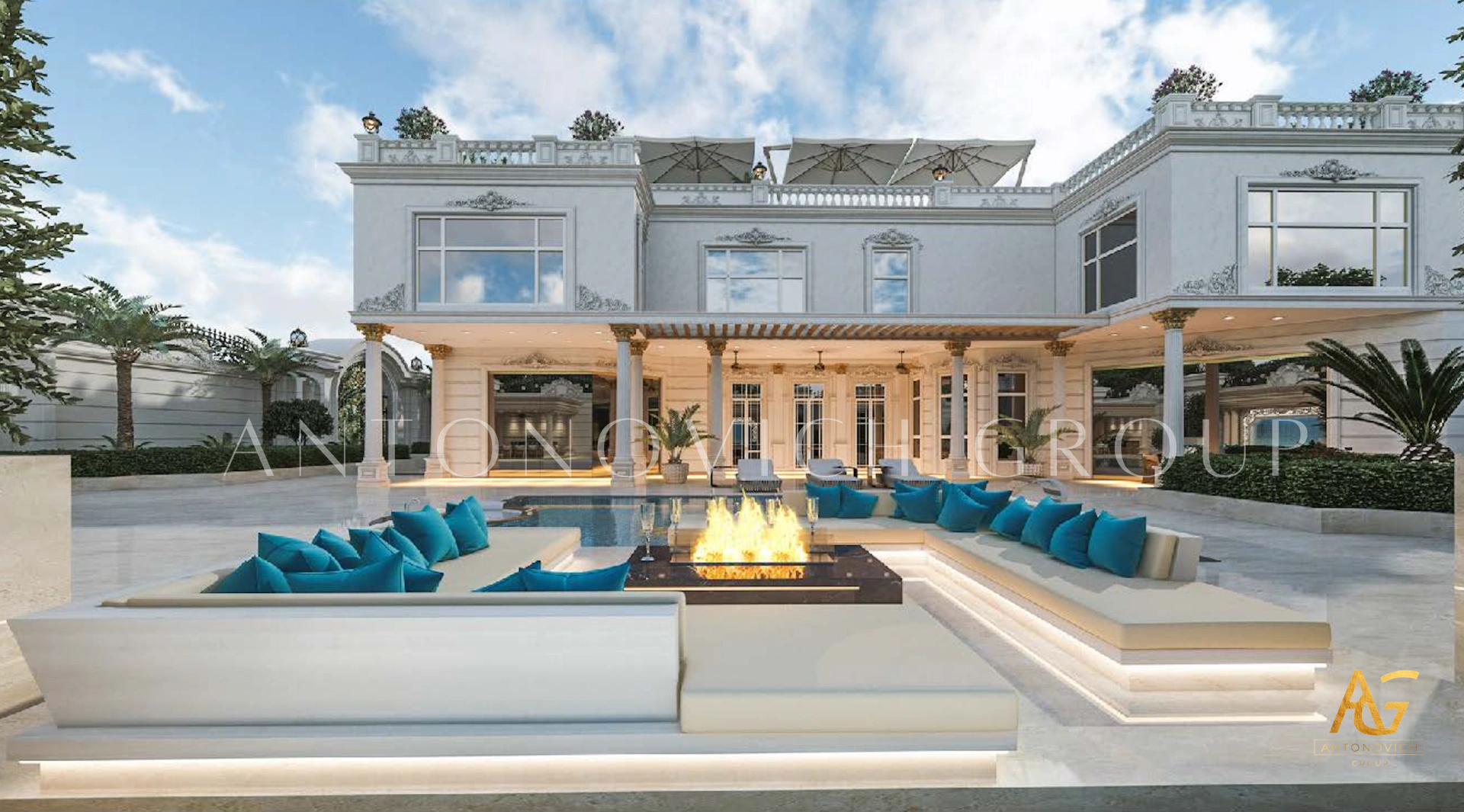
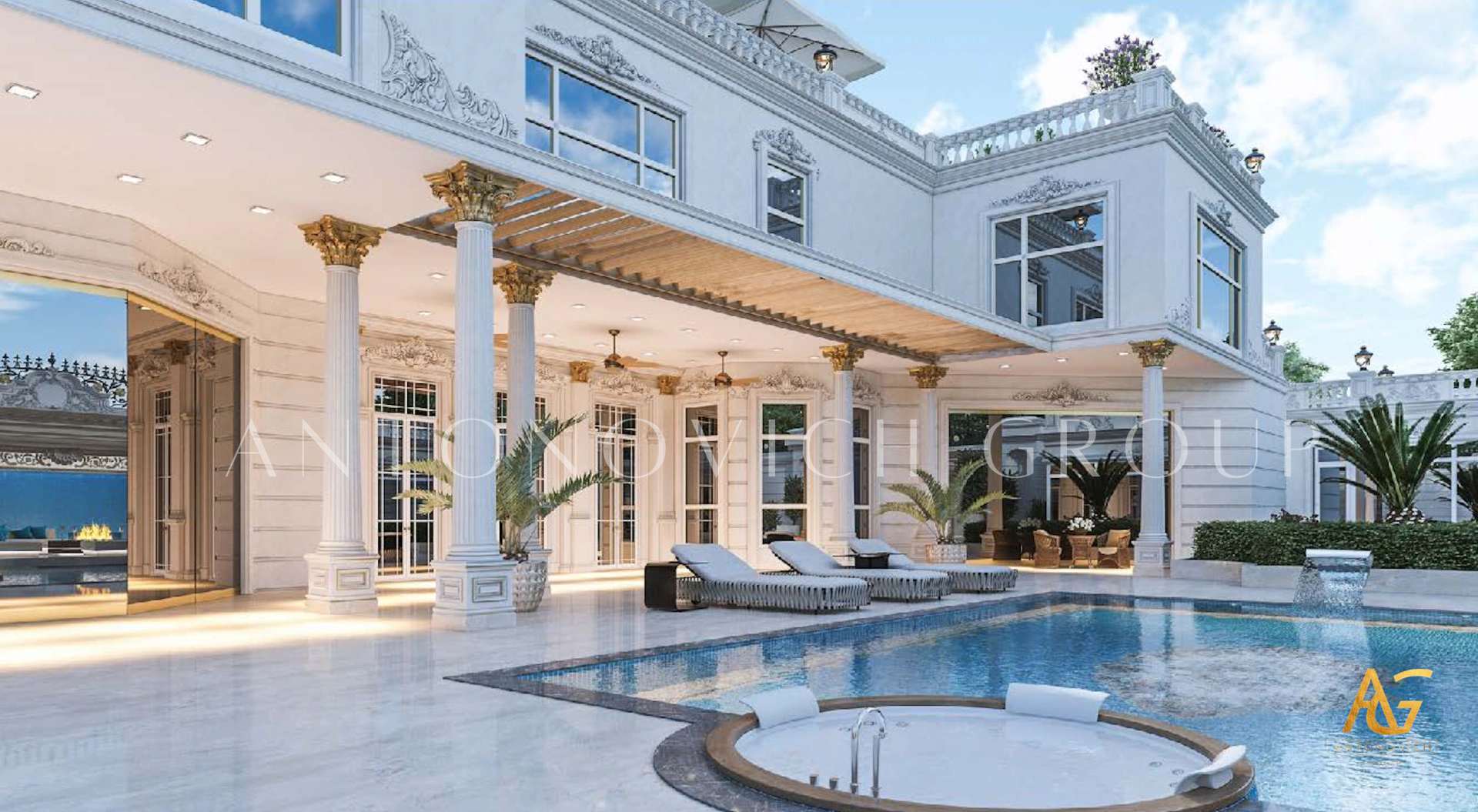
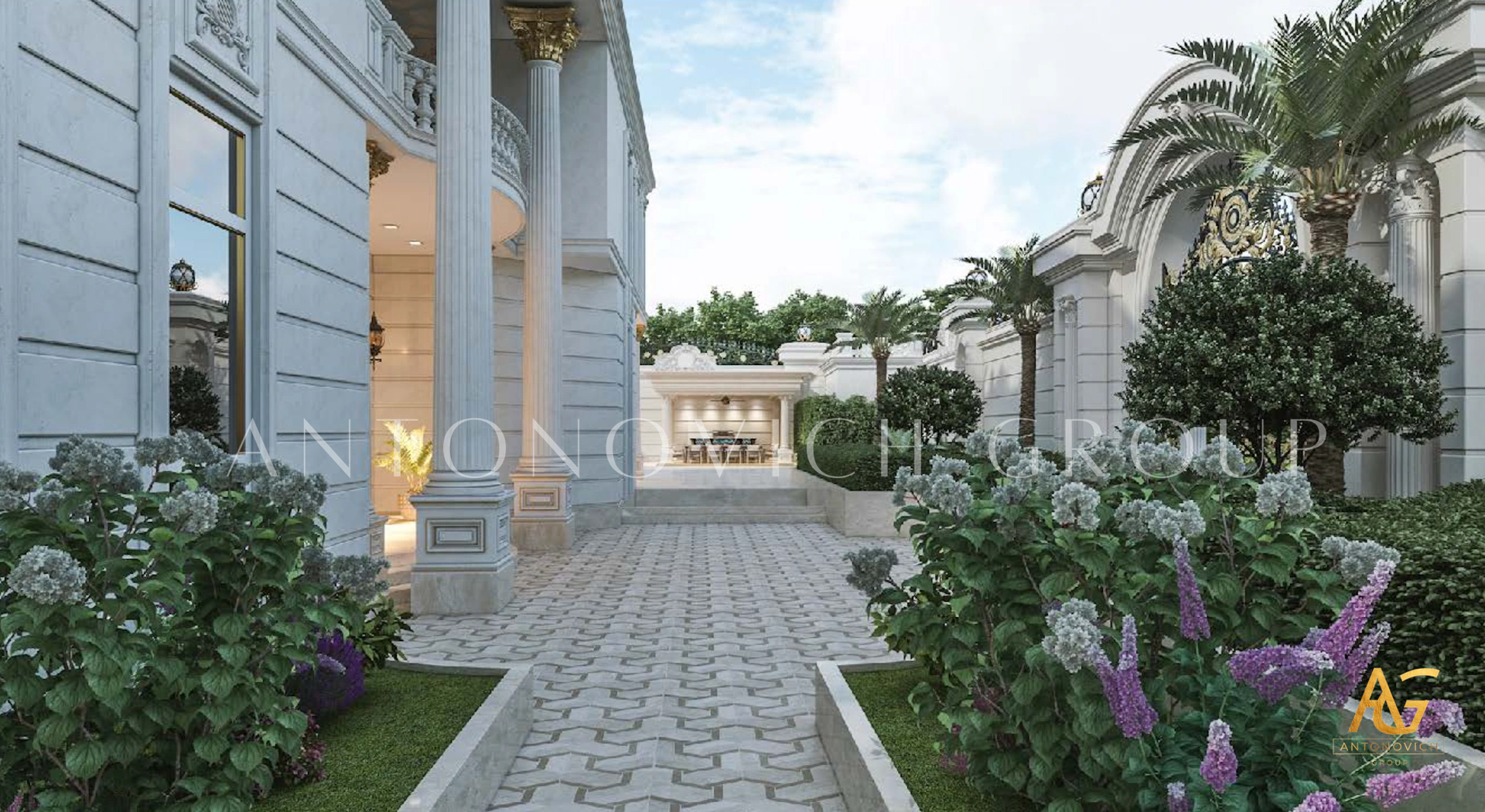
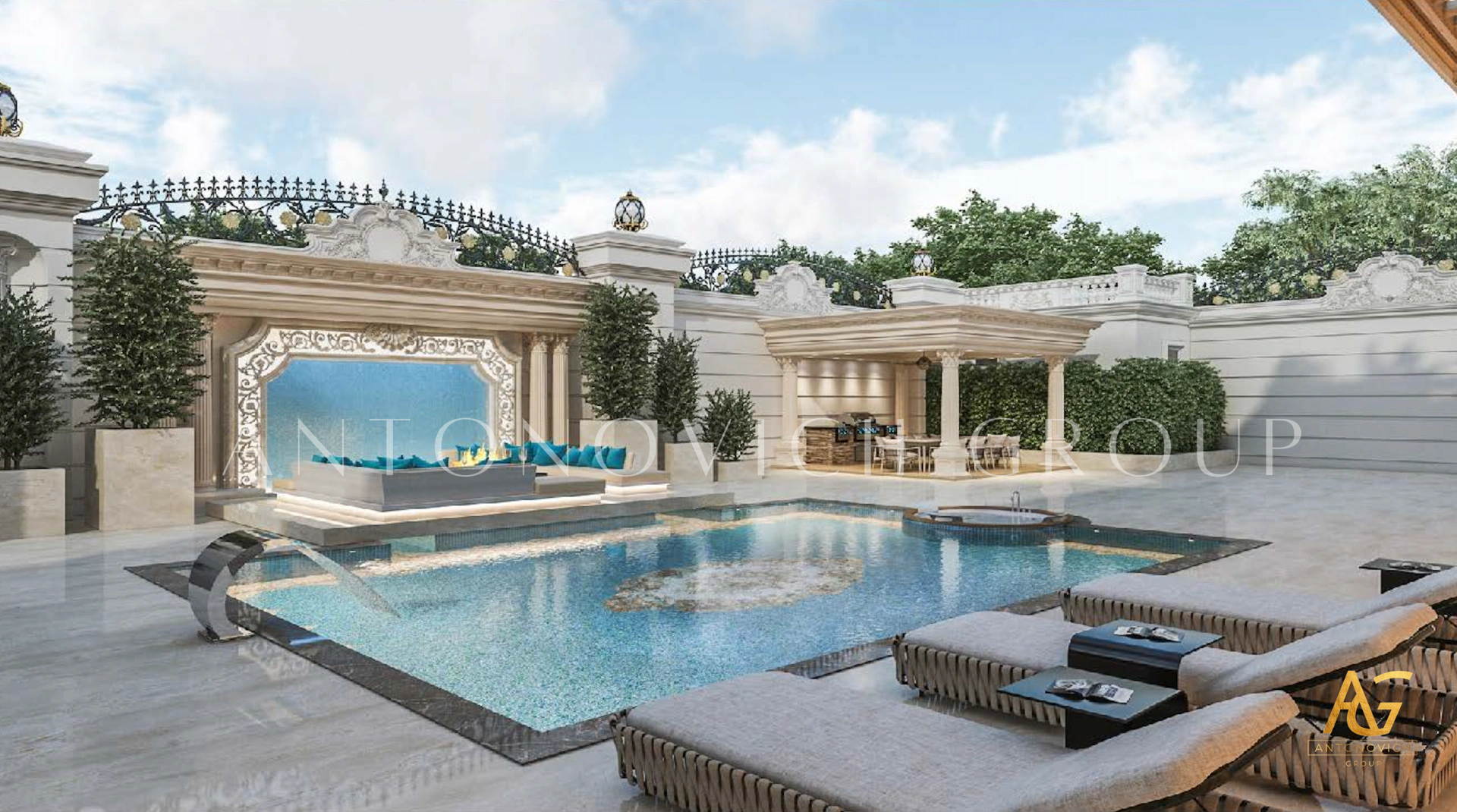
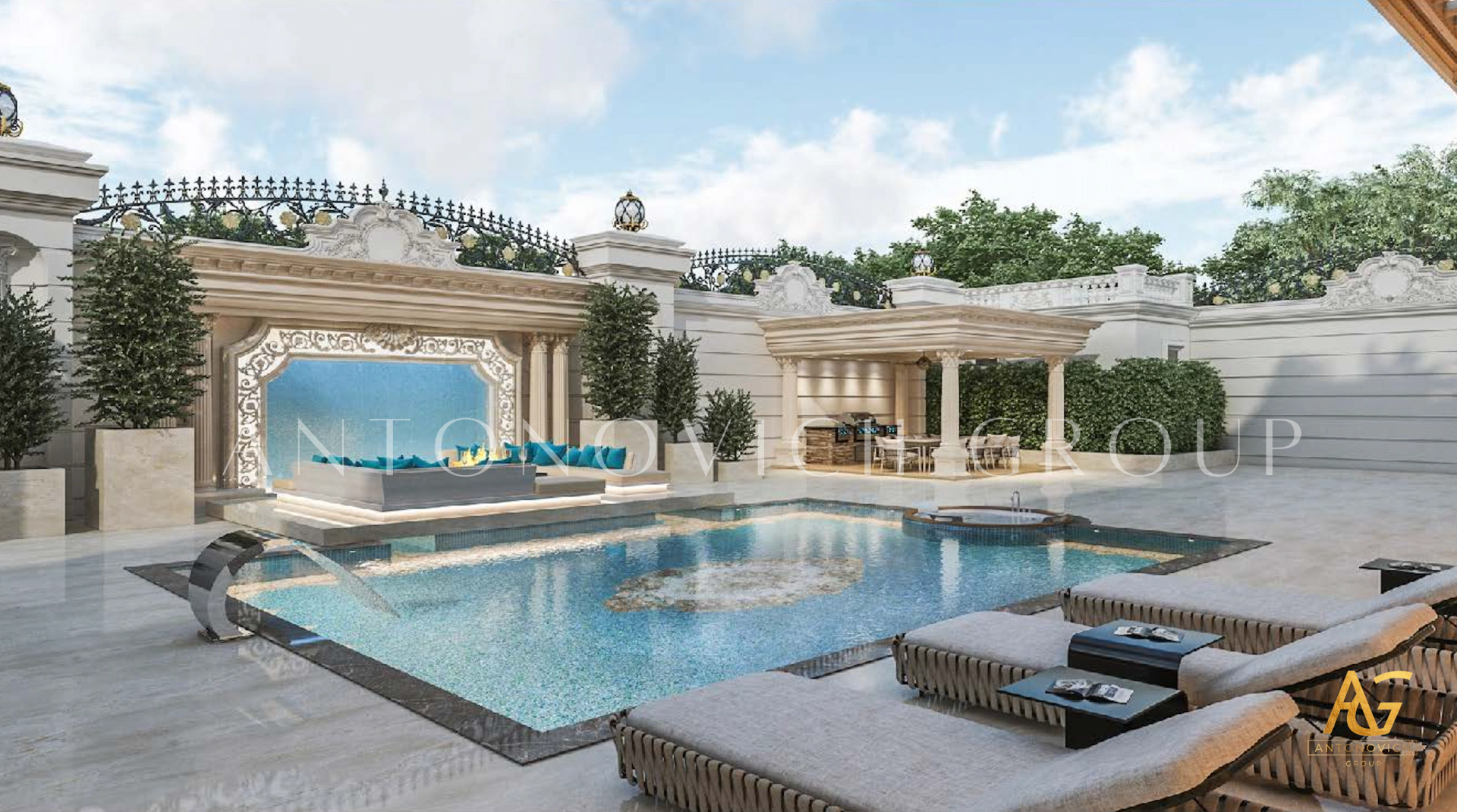
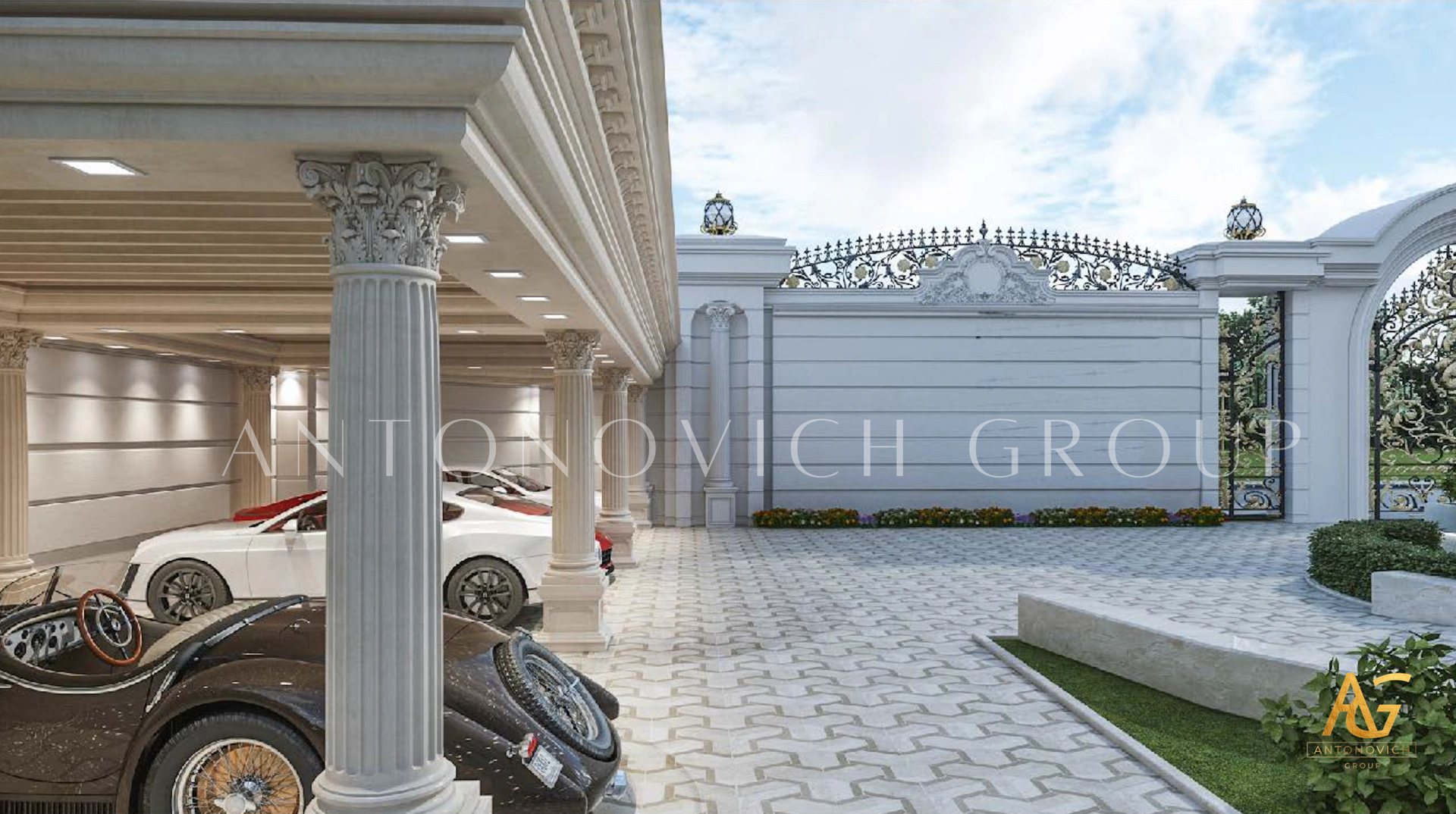
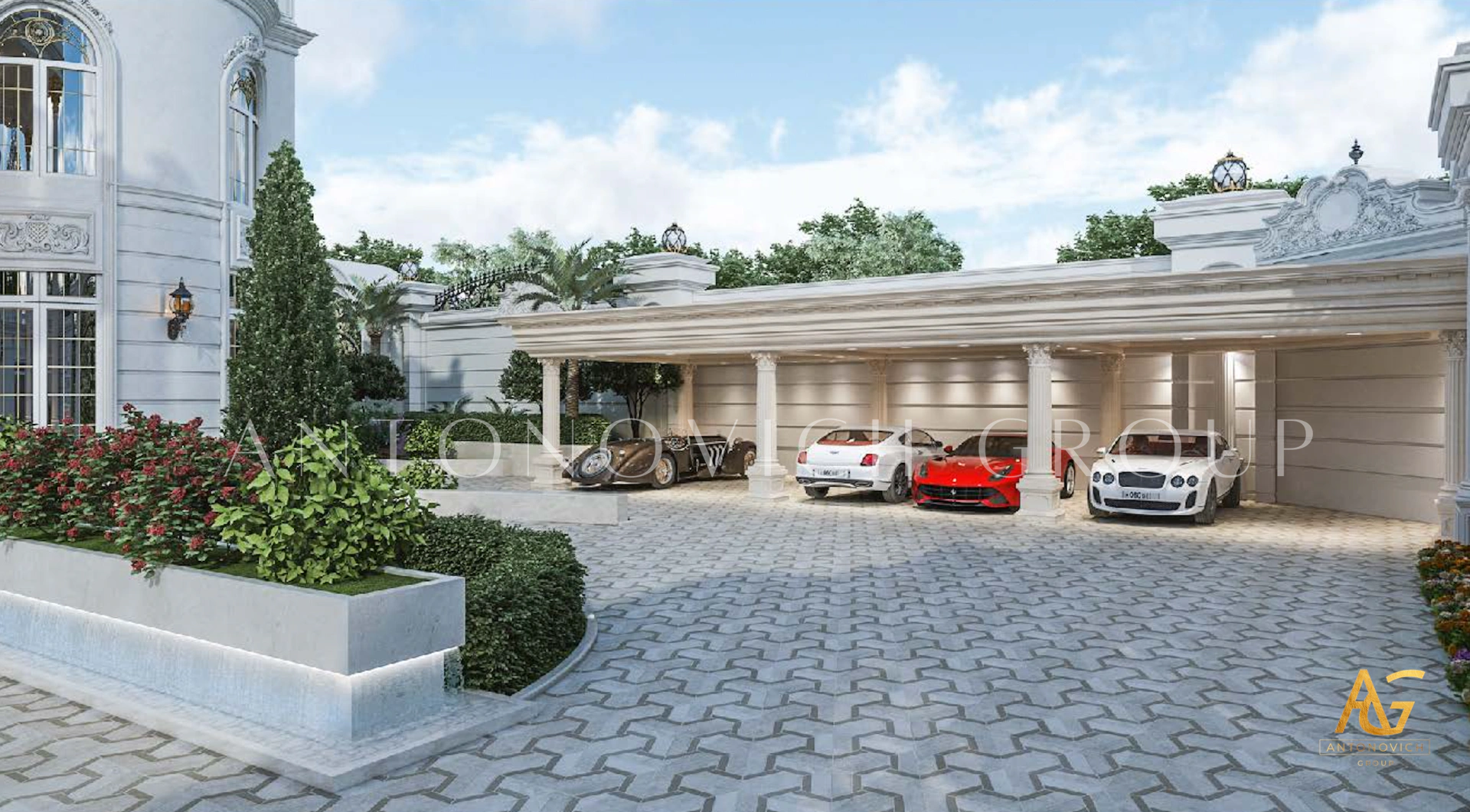
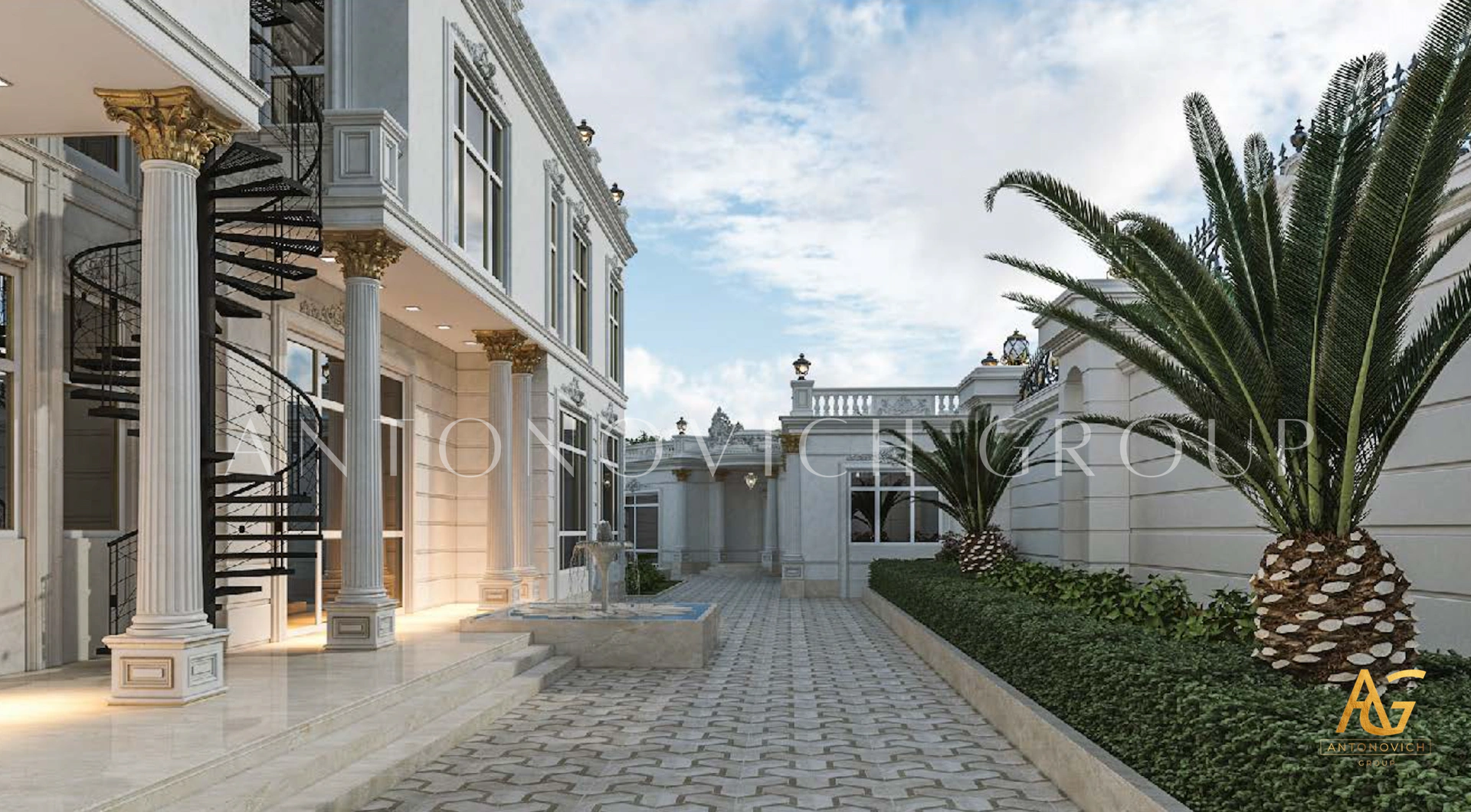
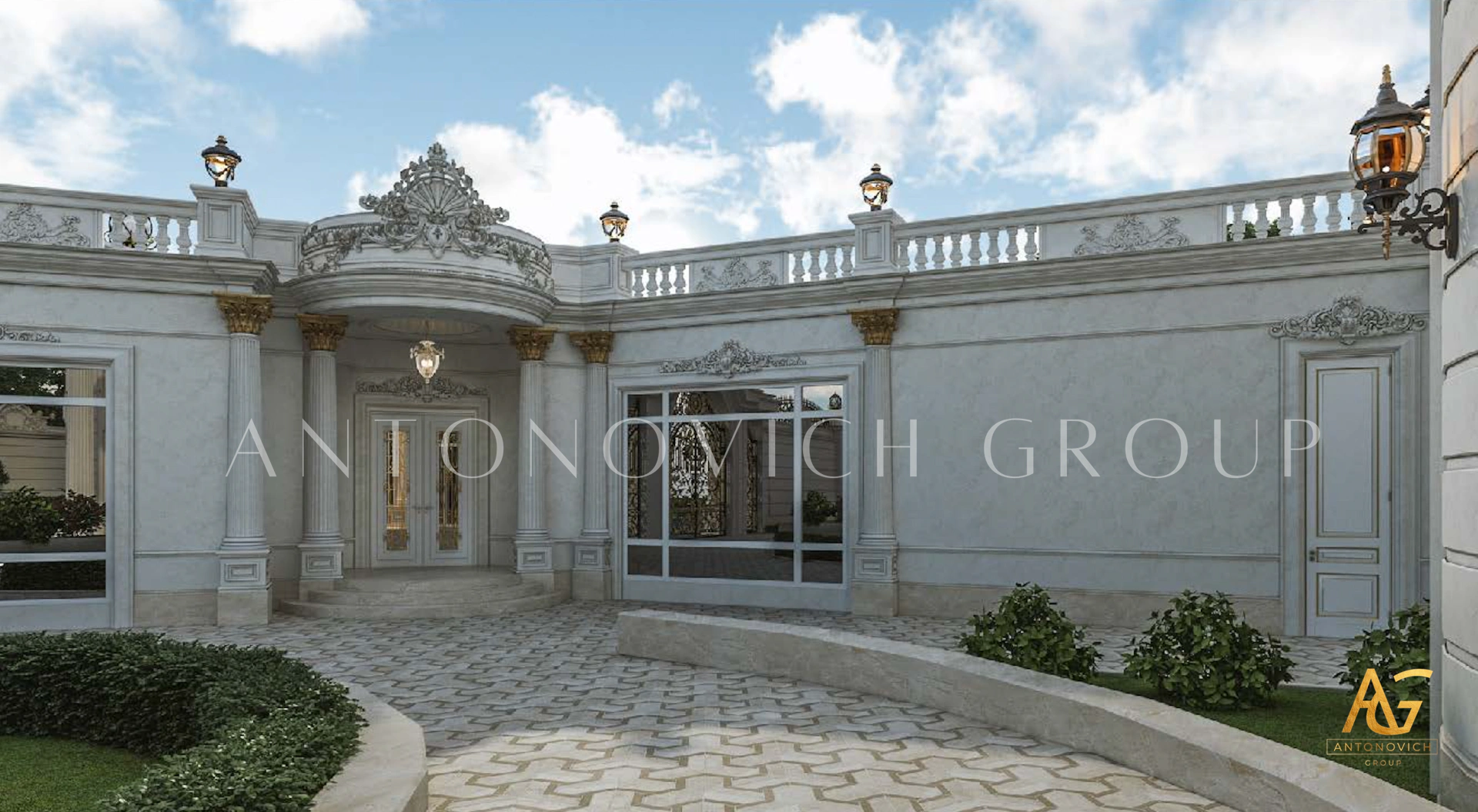
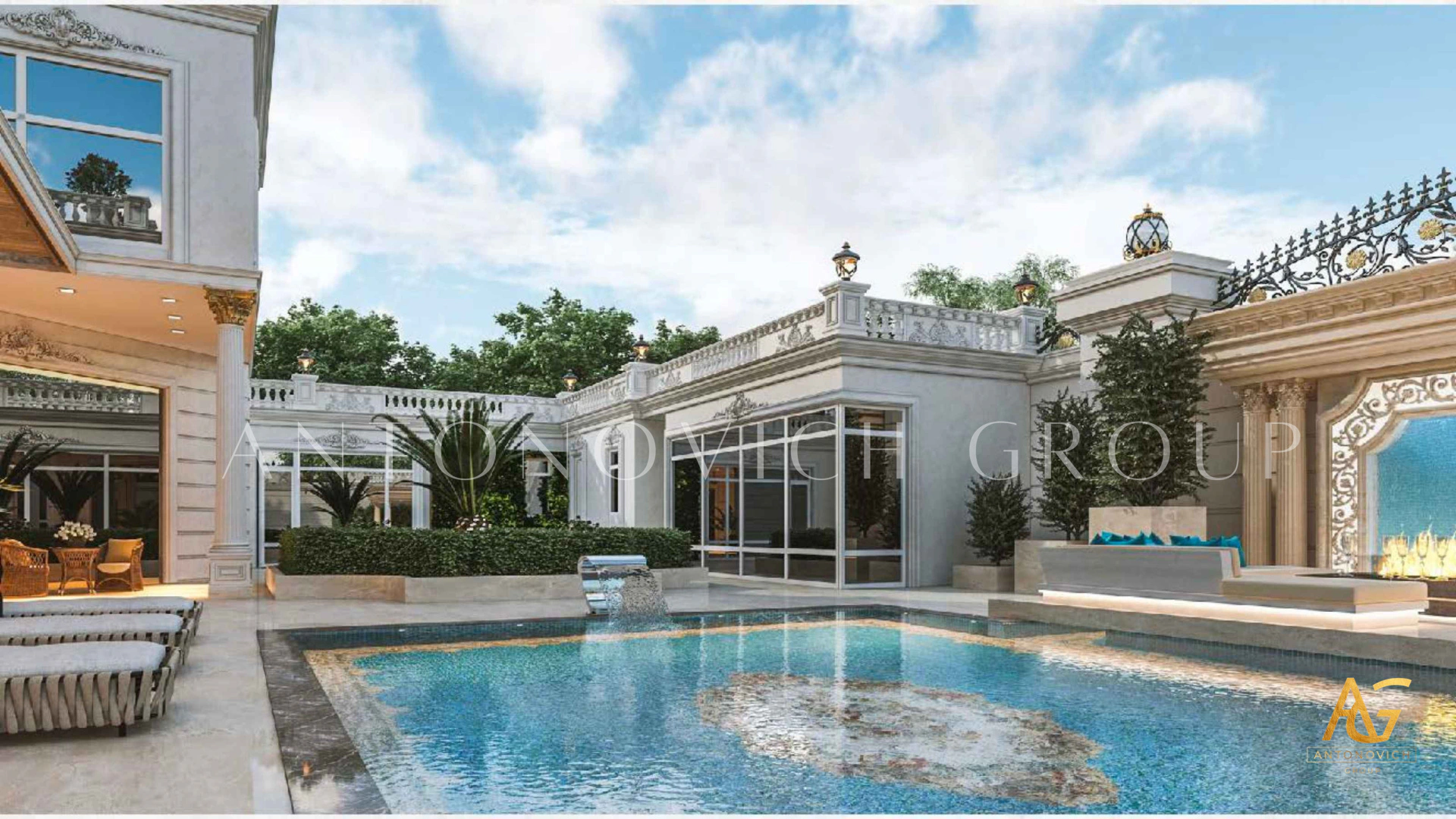
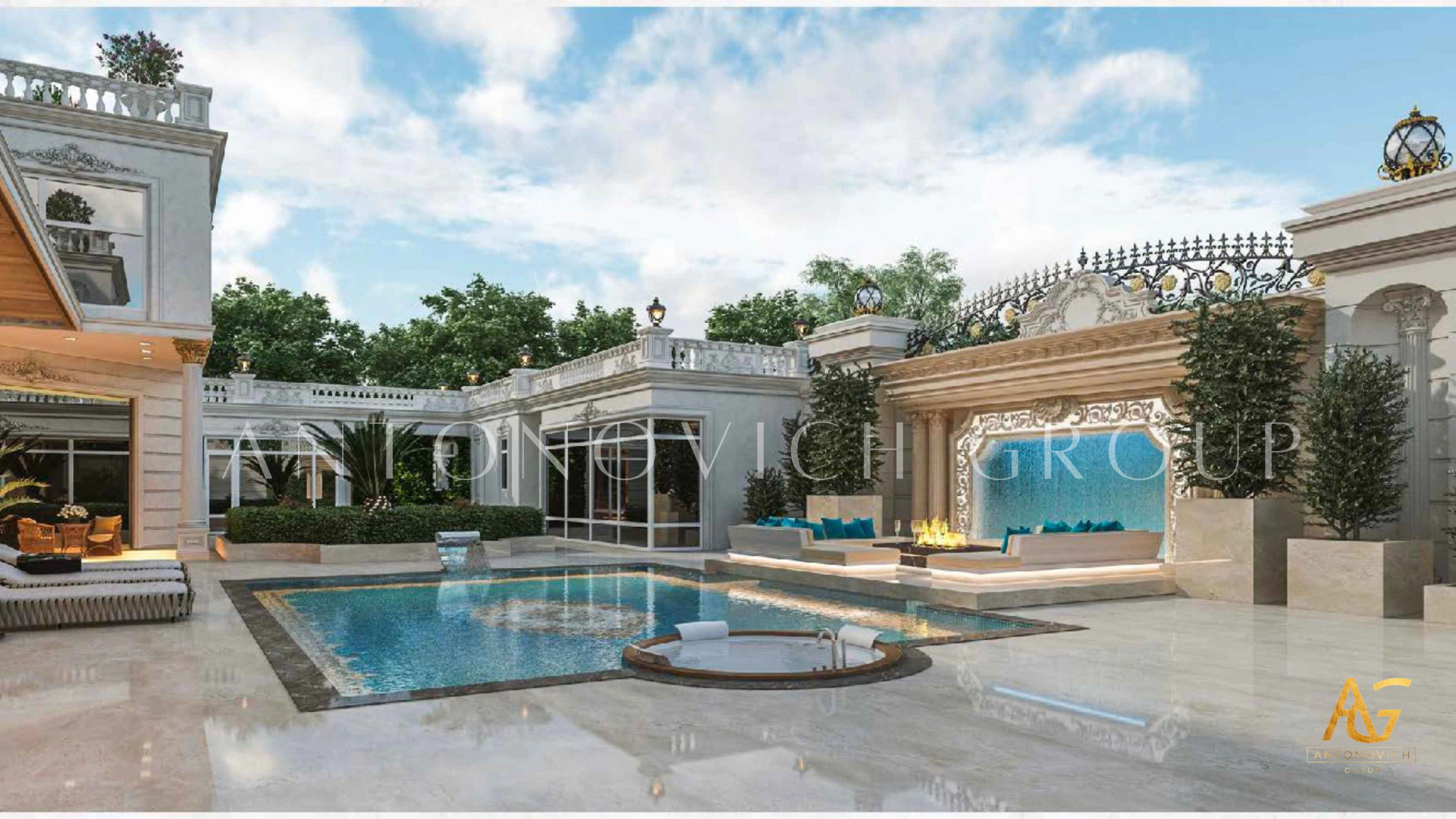
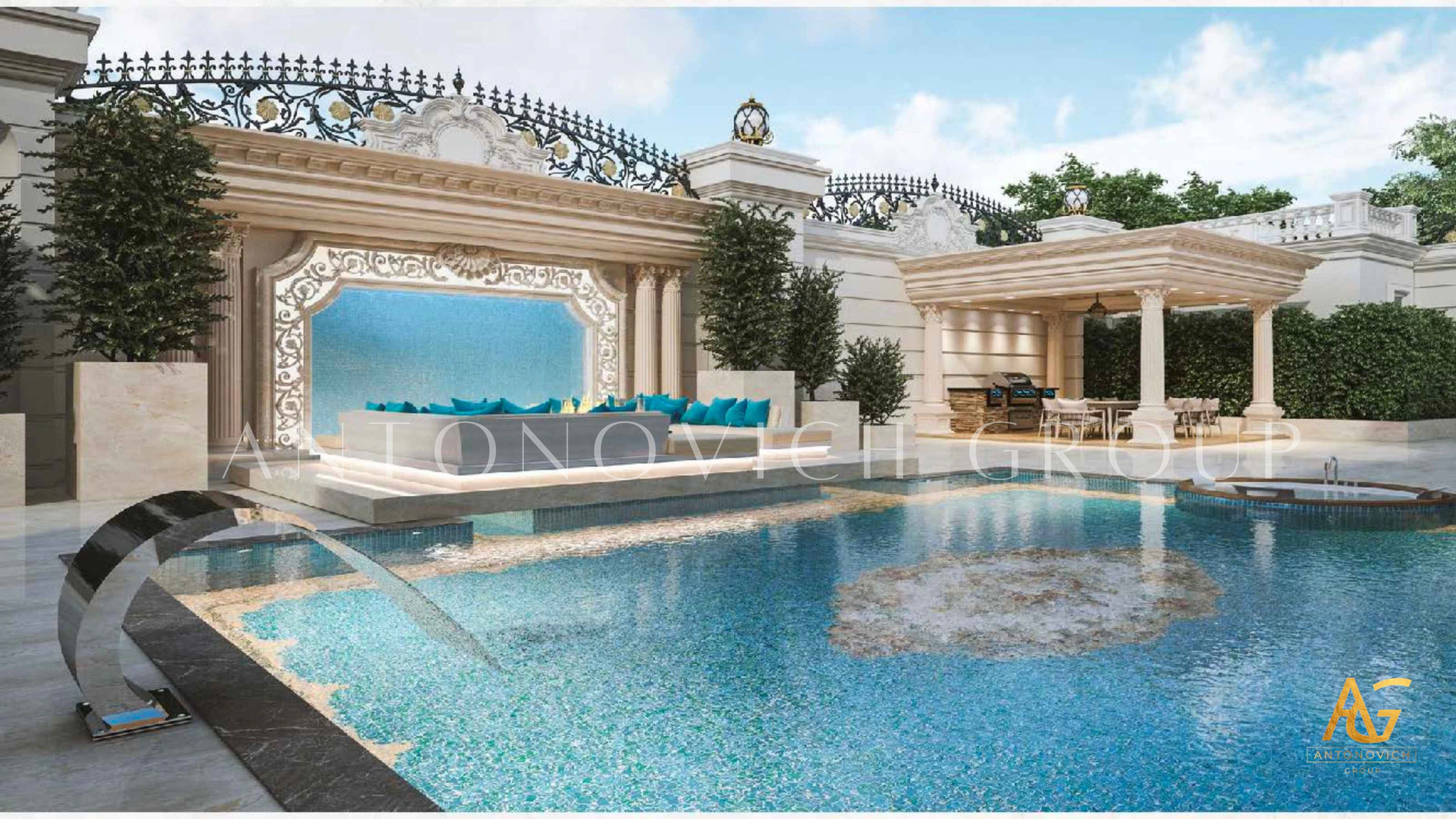
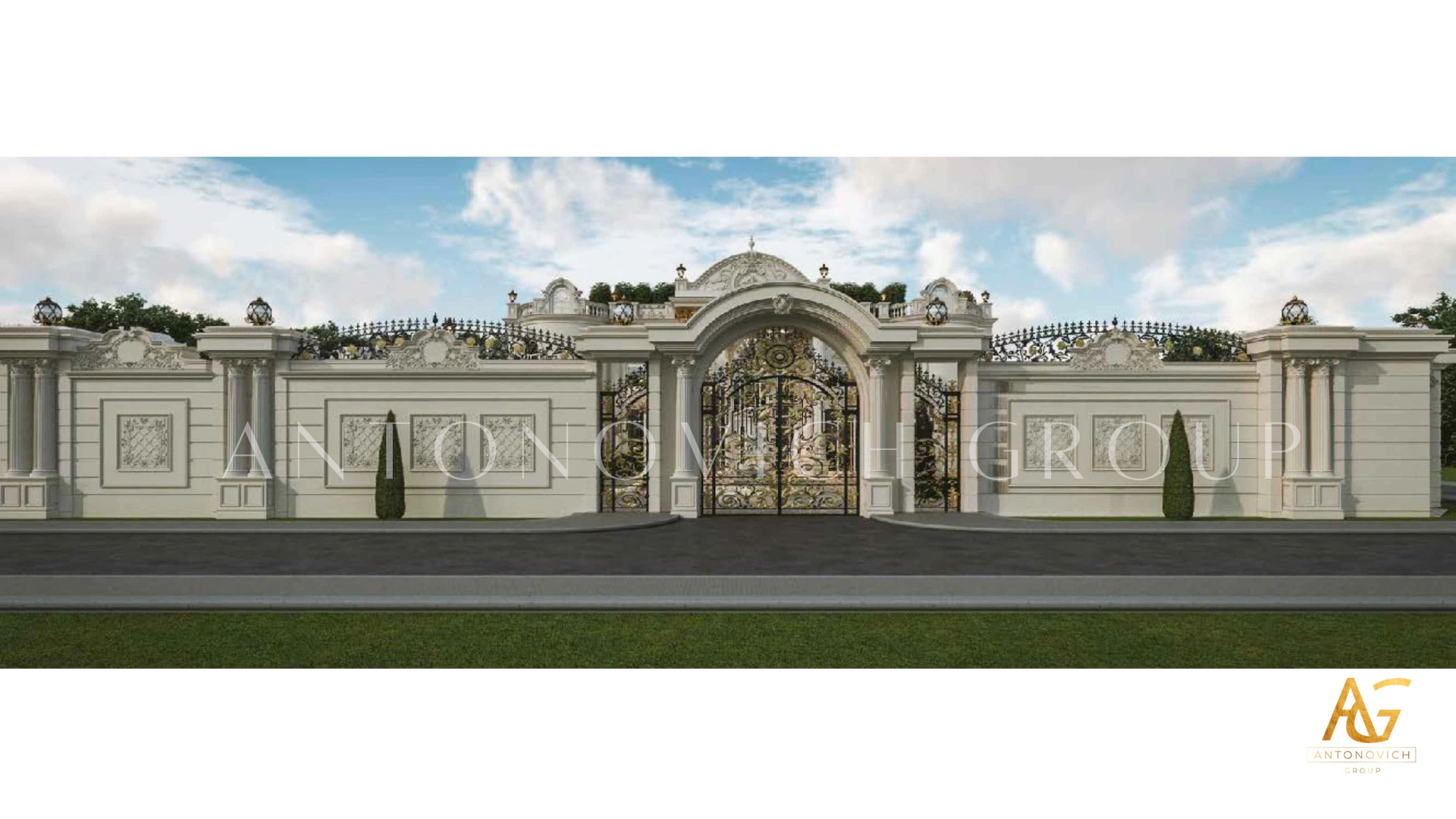
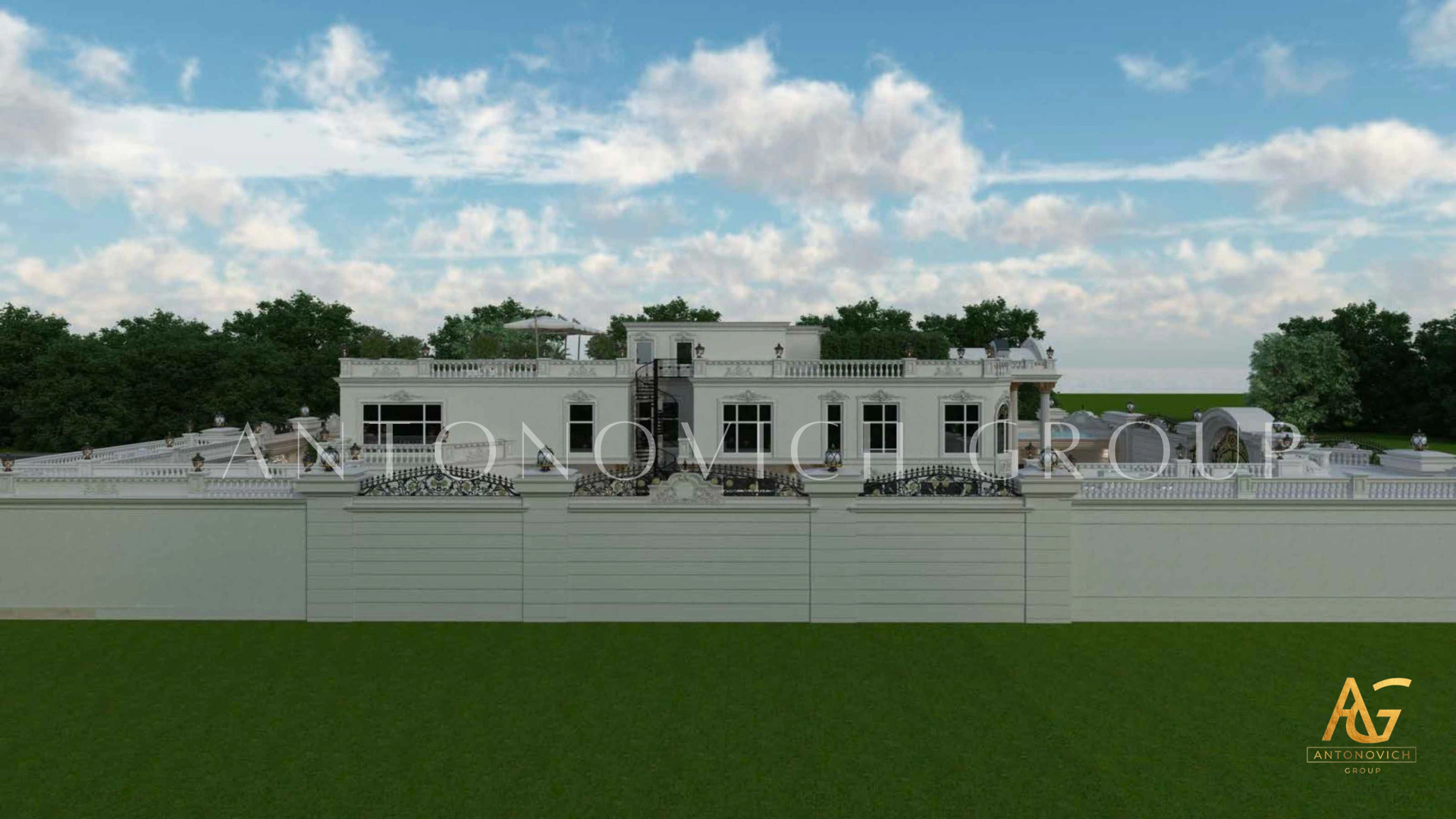
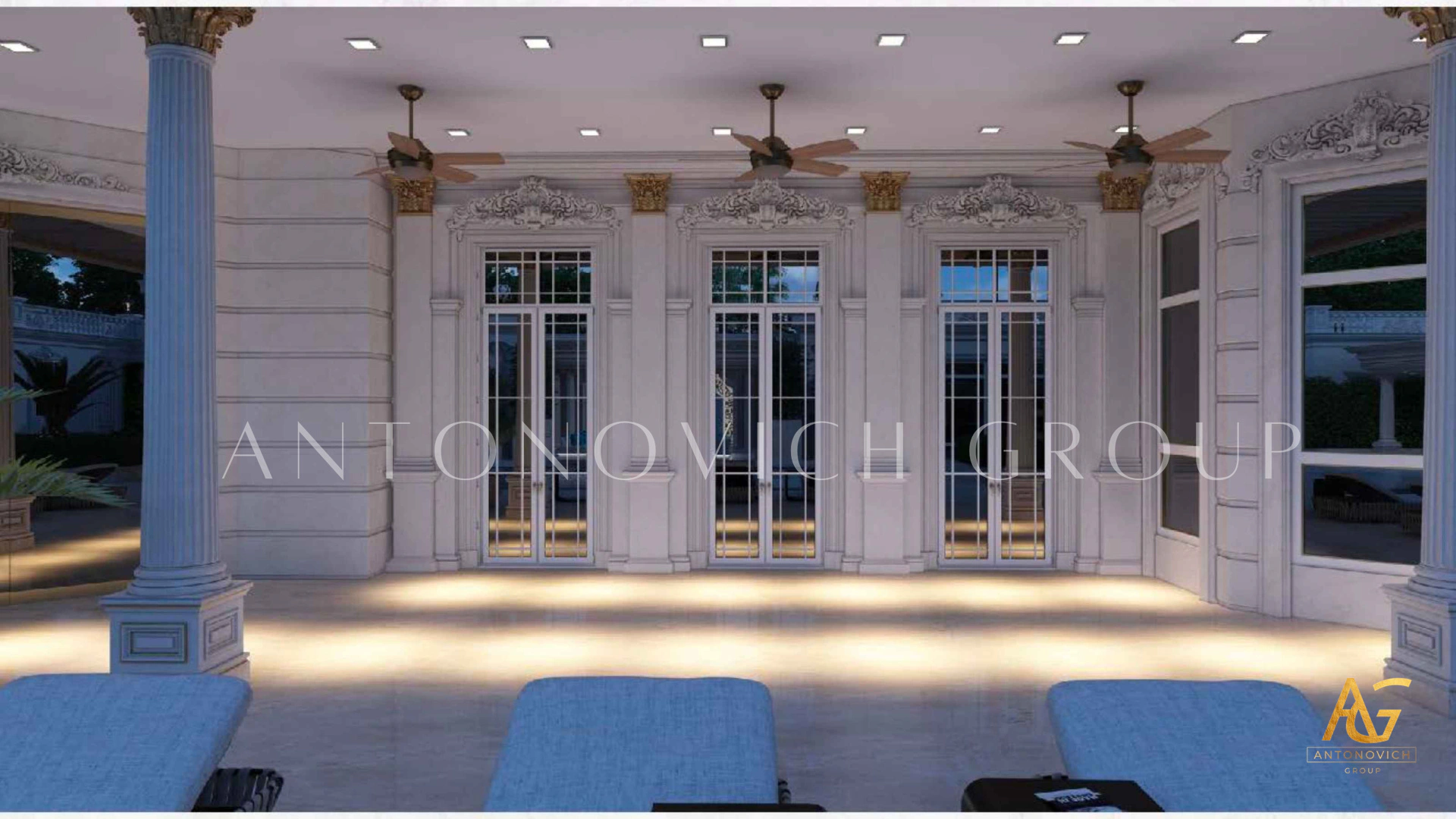
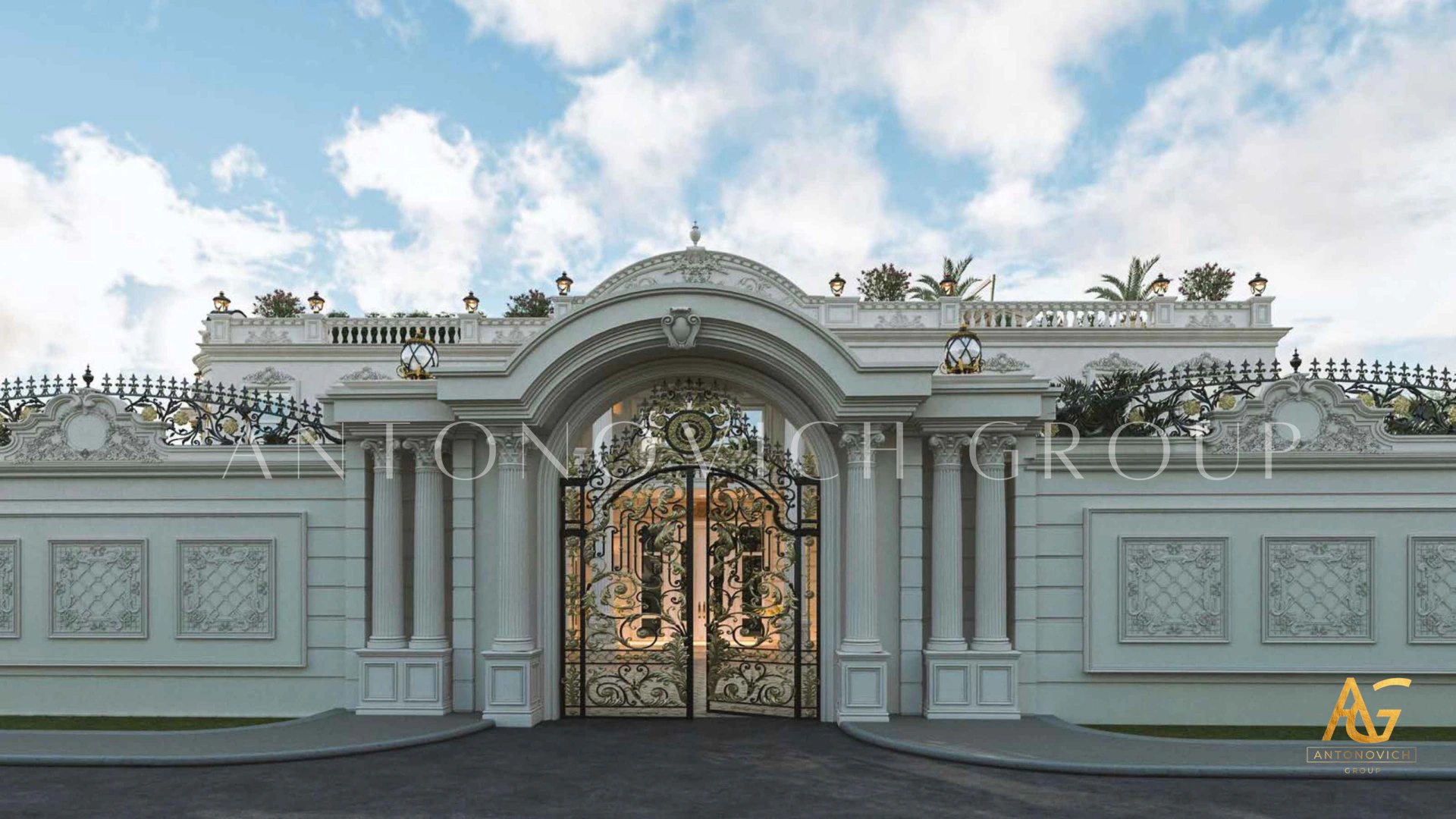
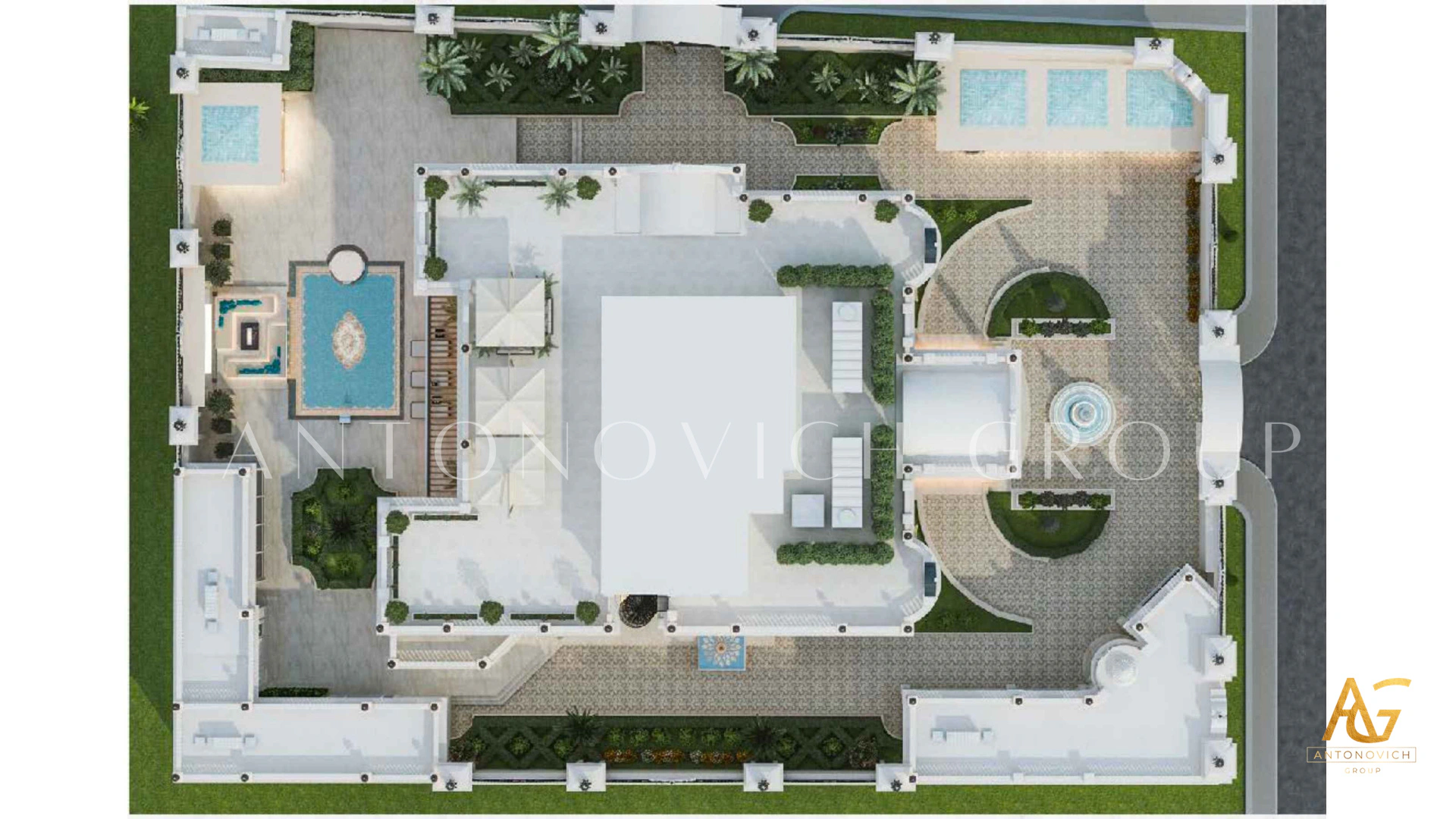
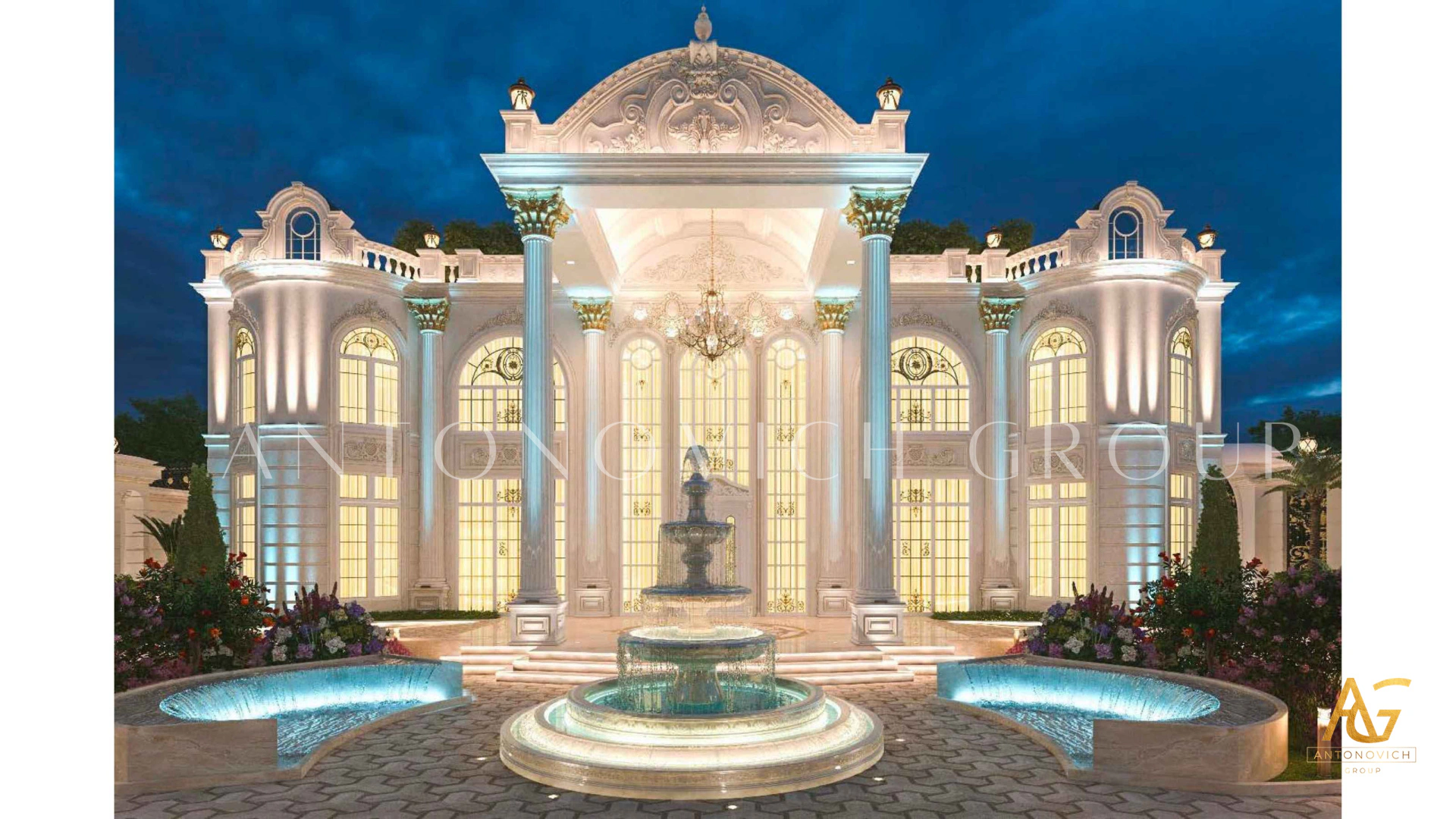
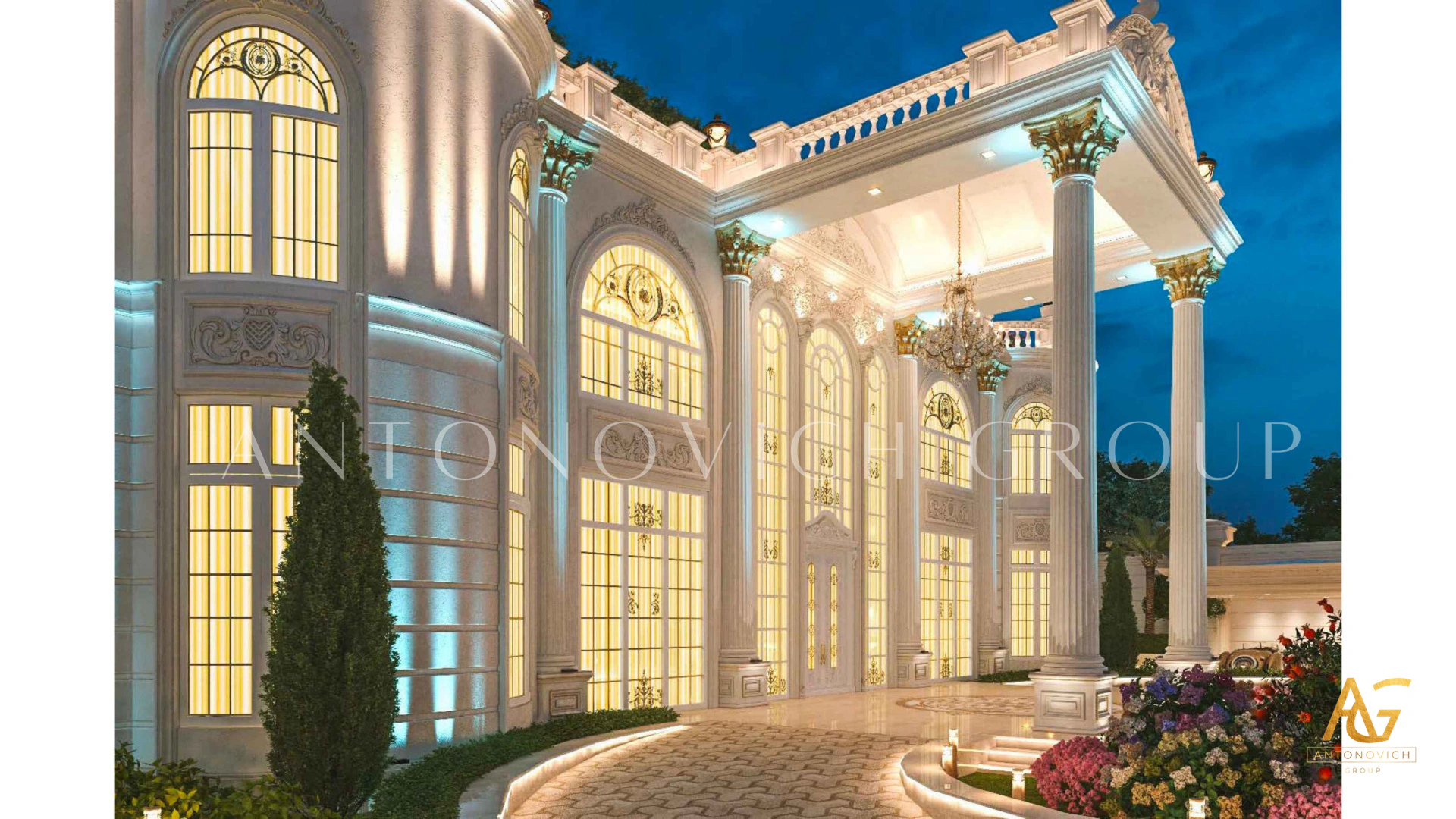
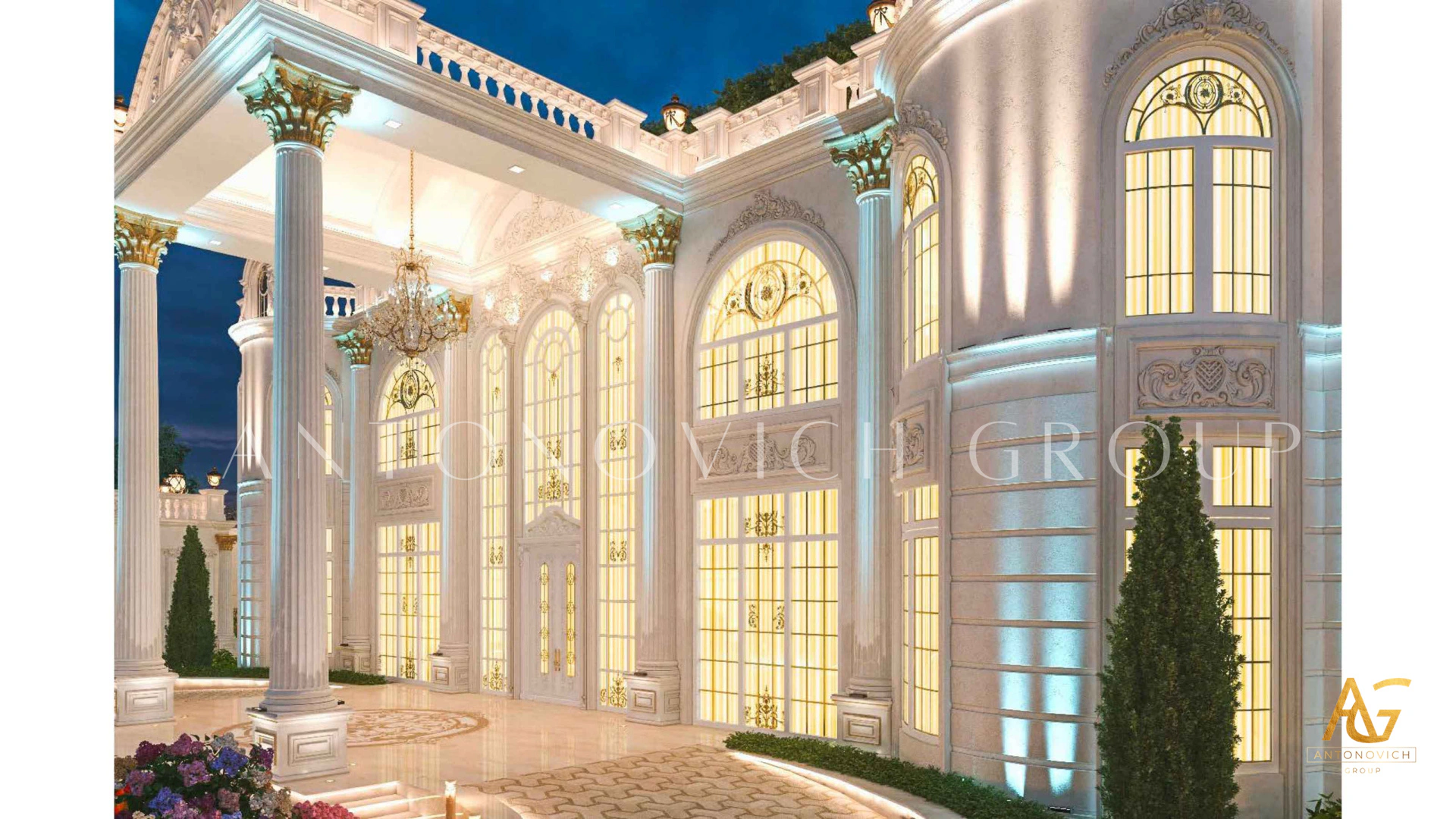
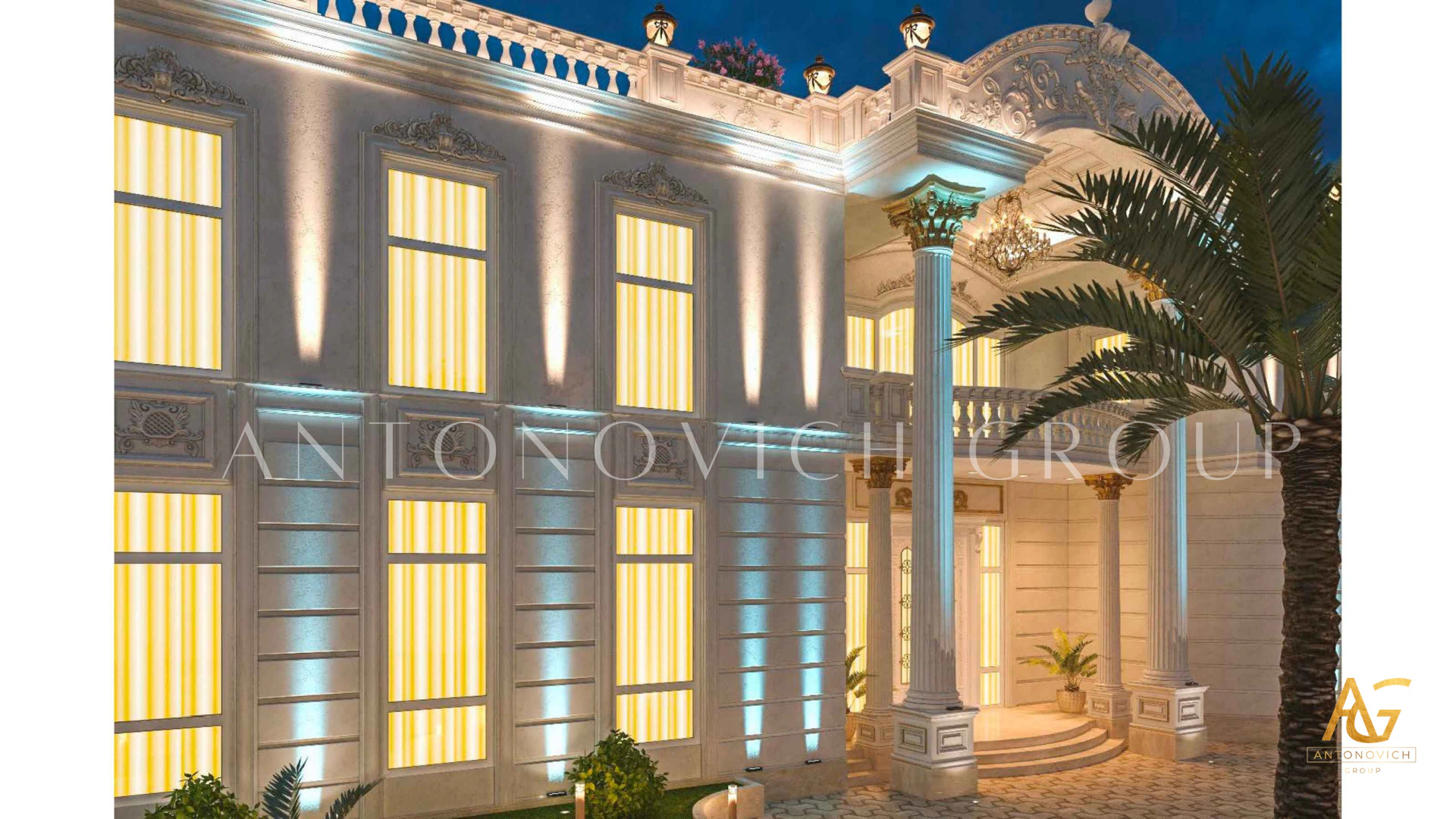
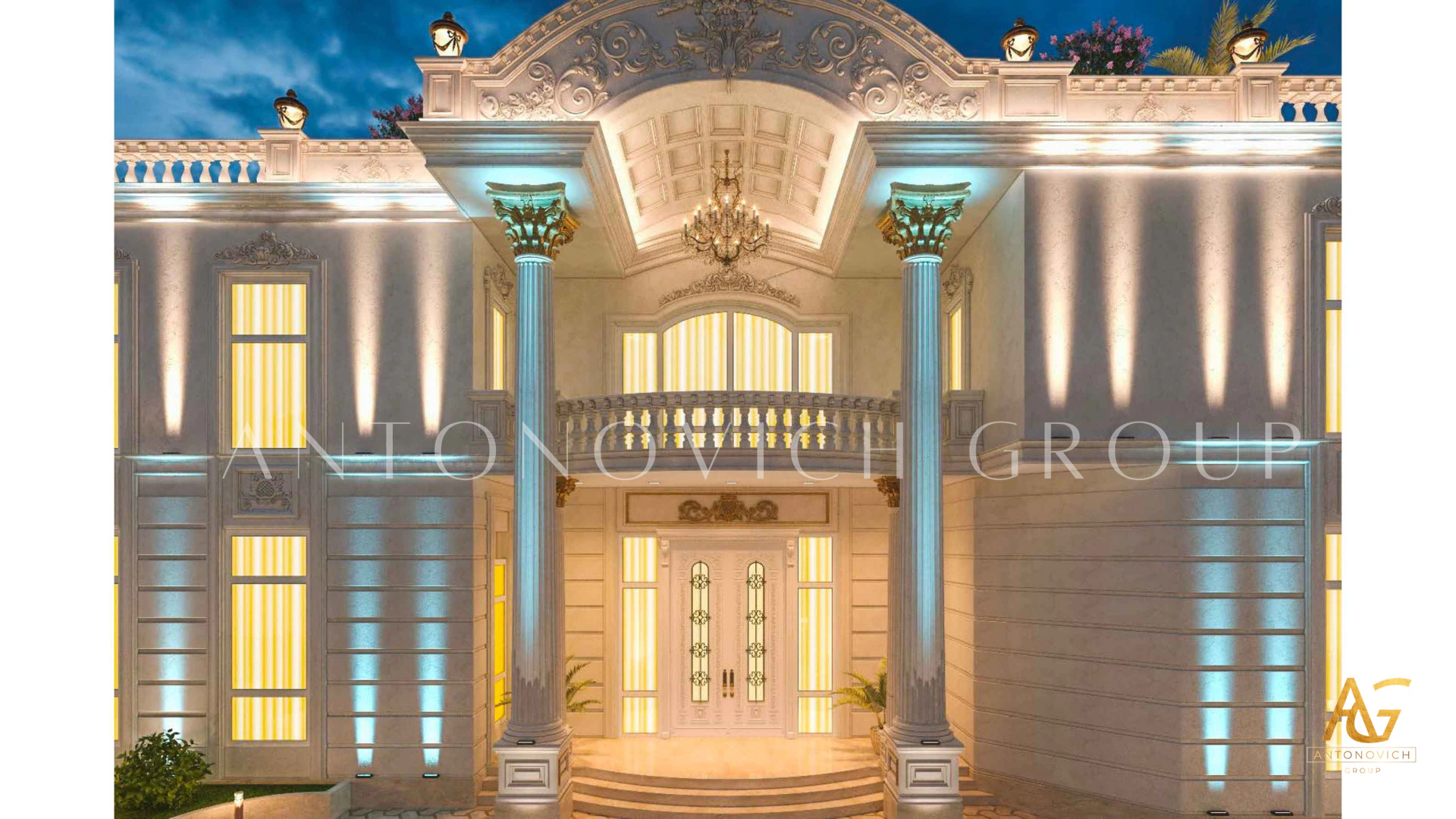
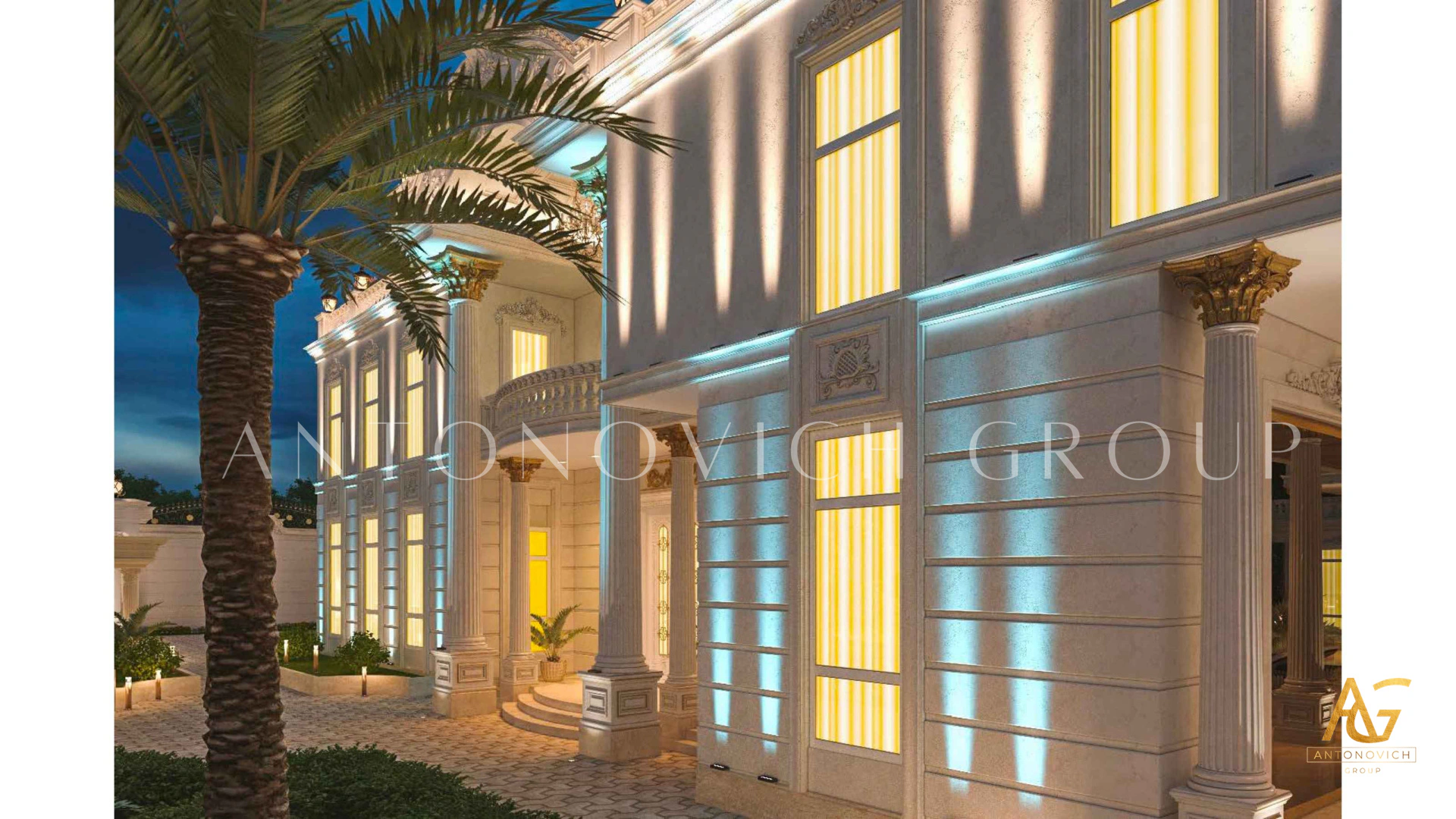
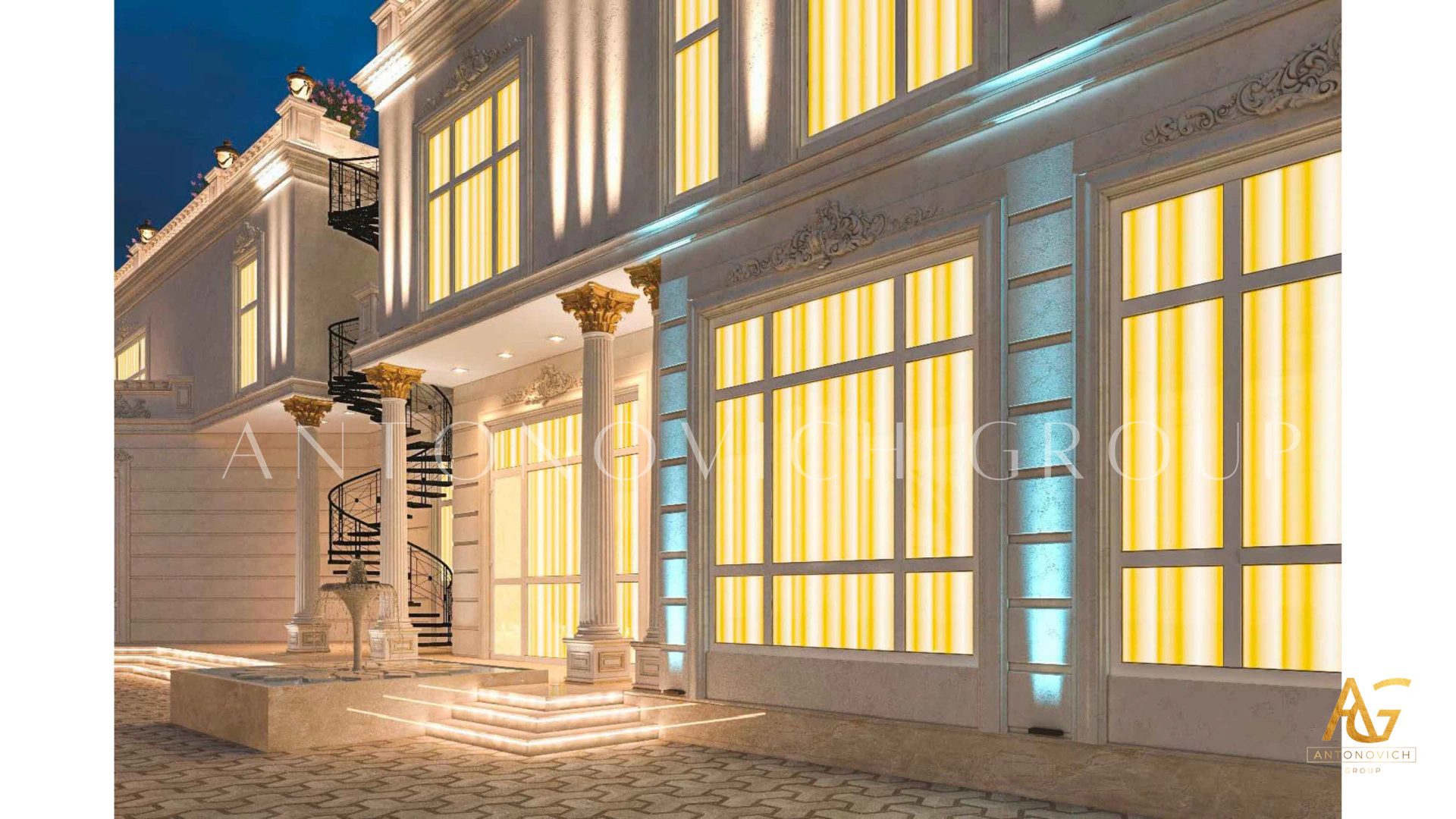
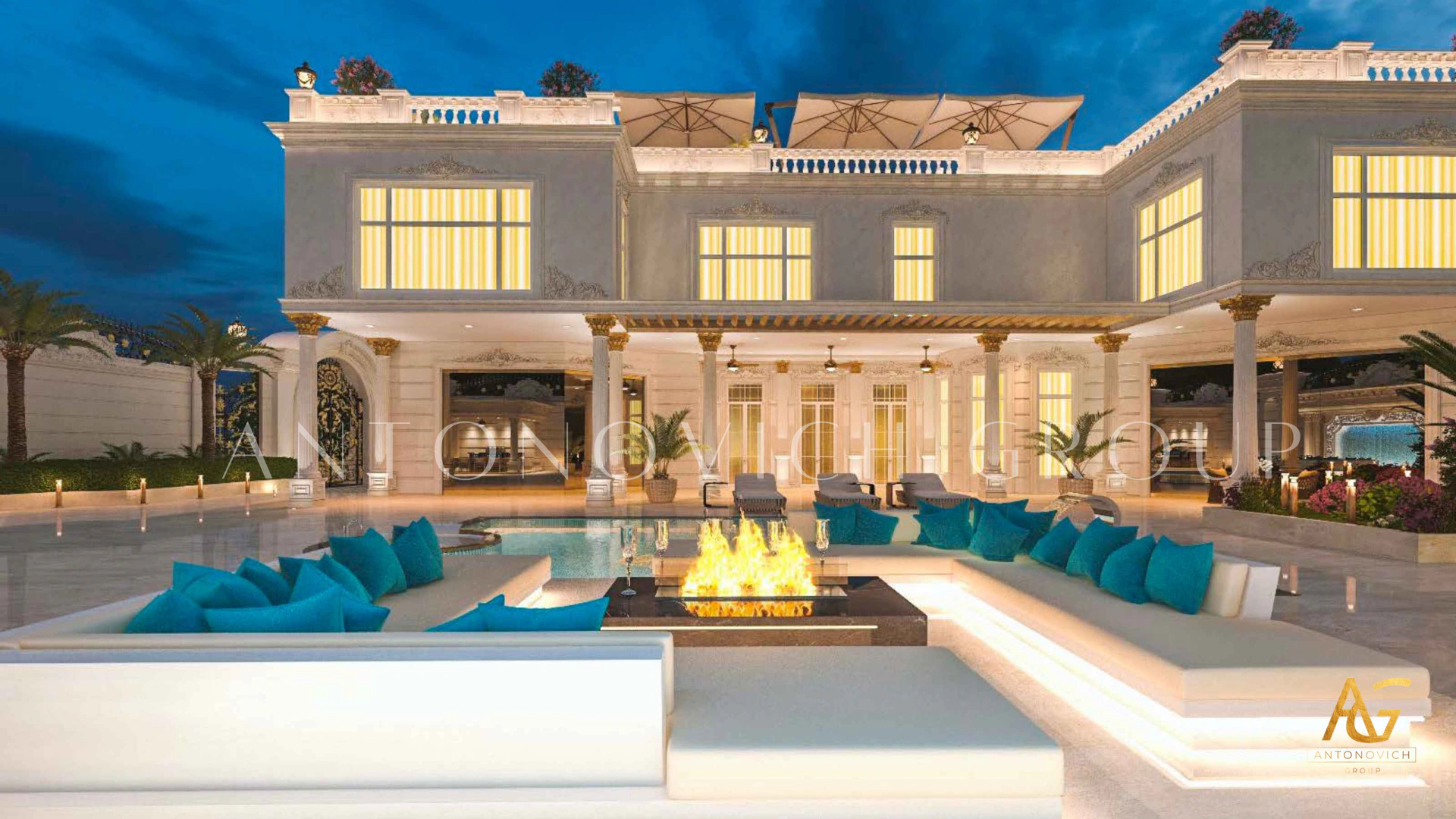
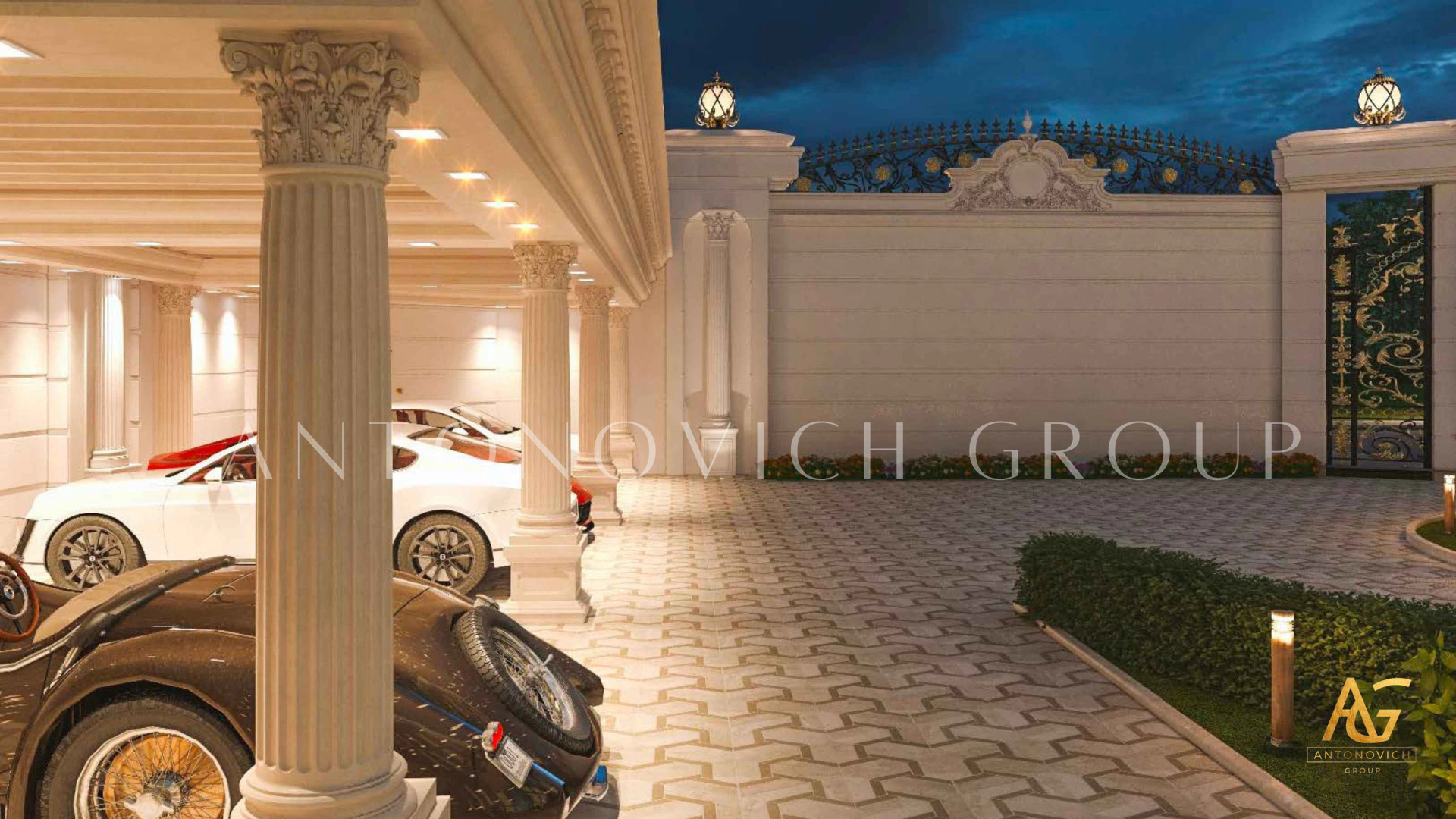
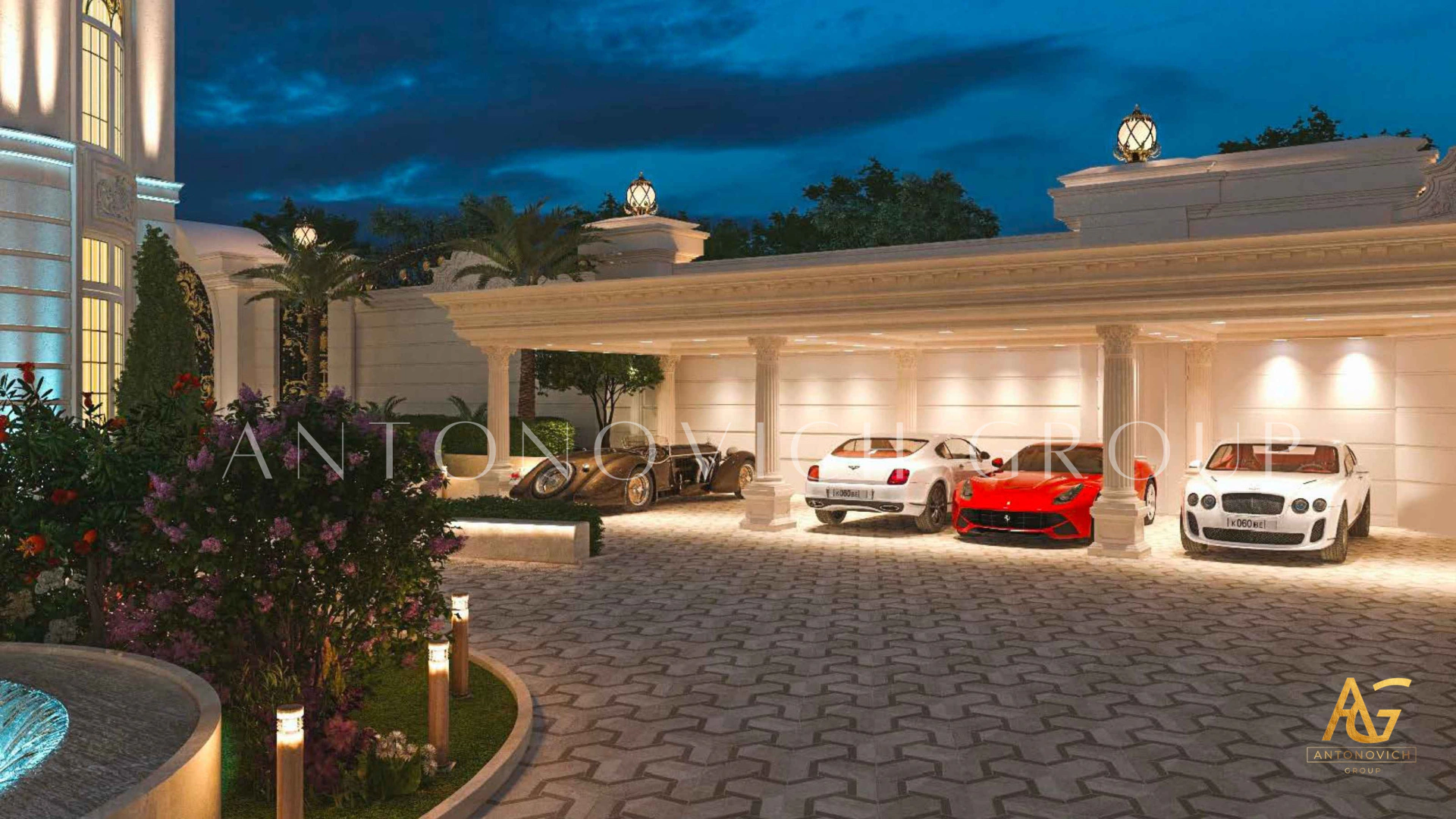
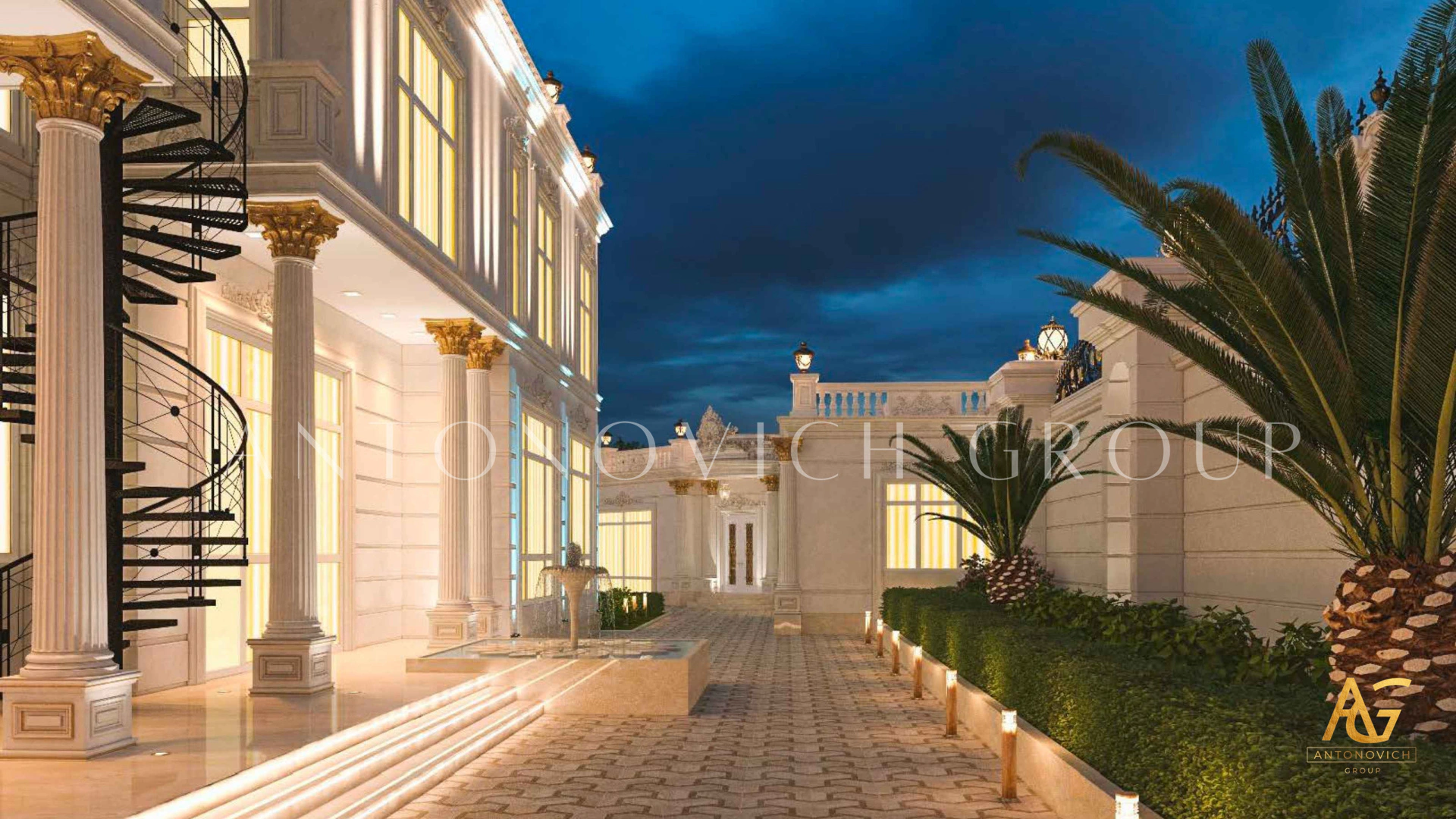
Why the Most Successful Palace Designs Are Built for Centuries, Not Just for the Moment of Completion
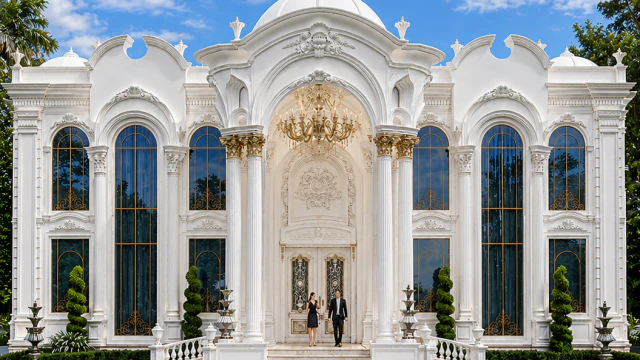
A palace is unlike any other architectural commission. It isn't simply a large, opulent home — it's a structure built to outlast its original owner, to carry family legacy across generations, and to remain architecturally significant decades or even centuries after its foundation is laid. This is what makes luxury palace architecture such a distinct discipline within residential design — one where every decision must be evaluated not just for how it looks today, but for how it will be experienced, remembered, and valued generations from now.
Understanding what genuinely defines enduring palace architecture — as opposed to simply large-scale luxury construction — reveals principles that separate truly successful royal residences from grand houses that may impress initially but fail to age with genuine architectural dignity.
What Makes Palace Architecture Different From Large-Scale Luxury Homes?
It's tempting to think of palace architecture as simply an even larger, more ornate version of luxury villa design. In practice, genuine royal residence architecture operates under a different set of design priorities entirely. Where a luxury villa is designed primarily around one family's current lifestyle, a palace must be designed around institutional permanence — accommodating not just a single generation's needs, but the evolving requirements of a family legacy, formal state or ceremonial functions, and a level of architectural significance that transcends any single owner's personal taste.
This fundamental difference shapes everything from material selection to spatial planning to the overall design philosophy guiding a palace project from its earliest concept stages.
The Principle of Material Permanence
Choosing Materials for Centuries, Not Seasons
Enduring palace architecture begins with material decisions made explicitly for longevity rather than immediate visual impact alone. Natural stone — marble, granite, limestone — remains the foundation of genuinely lasting palace construction, chosen not simply for its immediate beauty but for its proven ability to age gracefully across centuries, developing character and patina rather than deteriorating.
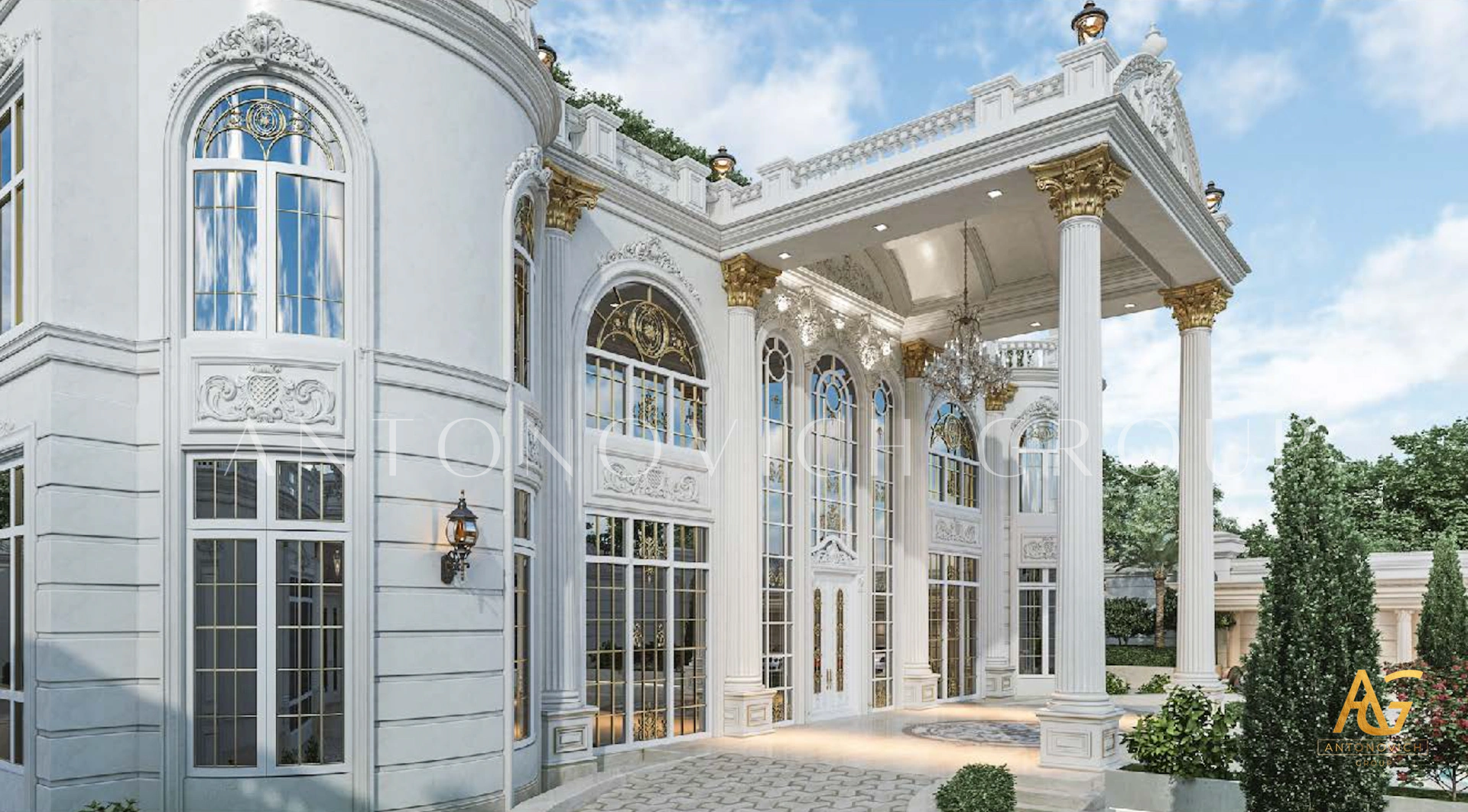
This principle extends throughout a palace's material palette: hand-carved stonework, solid hardwood detailing, and metalwork in gold, bronze, and other enduring finishes all reflect a design philosophy prioritizing genuine permanence over materials that might look impressive at completion but degrade meaningfully within a few decades.
Craftsmanship That Honors Tradition
Palace architecture that endures typically involves genuine artisan craftsmanship — hand-carved stone reliefs, custom plasterwork, and detailed joinery executed by skilled craftspeople rather than mass-produced alternatives. This level of craftsmanship carries inherent value that appreciates over time, distinguishing genuine palace-caliber construction from luxury homes that merely appear grand through scale alone.
Architectural Proportion and Timeless Symmetry
The Enduring Power of Classical Proportion
Much of what makes historic palaces feel genuinely timeless, centuries after their construction, traces back to their commitment to classical architectural proportion — mathematical relationships between height, width, and spatial arrangement that have proven aesthetically satisfying across vastly different cultural and historical contexts. This isn't coincidental; proportional systems refined over centuries of architectural practice tend to produce buildings that feel correct and balanced regardless of changing stylistic trends.
Contemporary luxury palace architecture that draws on these proportional principles, even when executed with modern construction techniques and material innovations, benefits from this same enduring visual logic — a building that will feel as architecturally sound in fifty years as it does at completion.
Symmetry as Institutional Statement
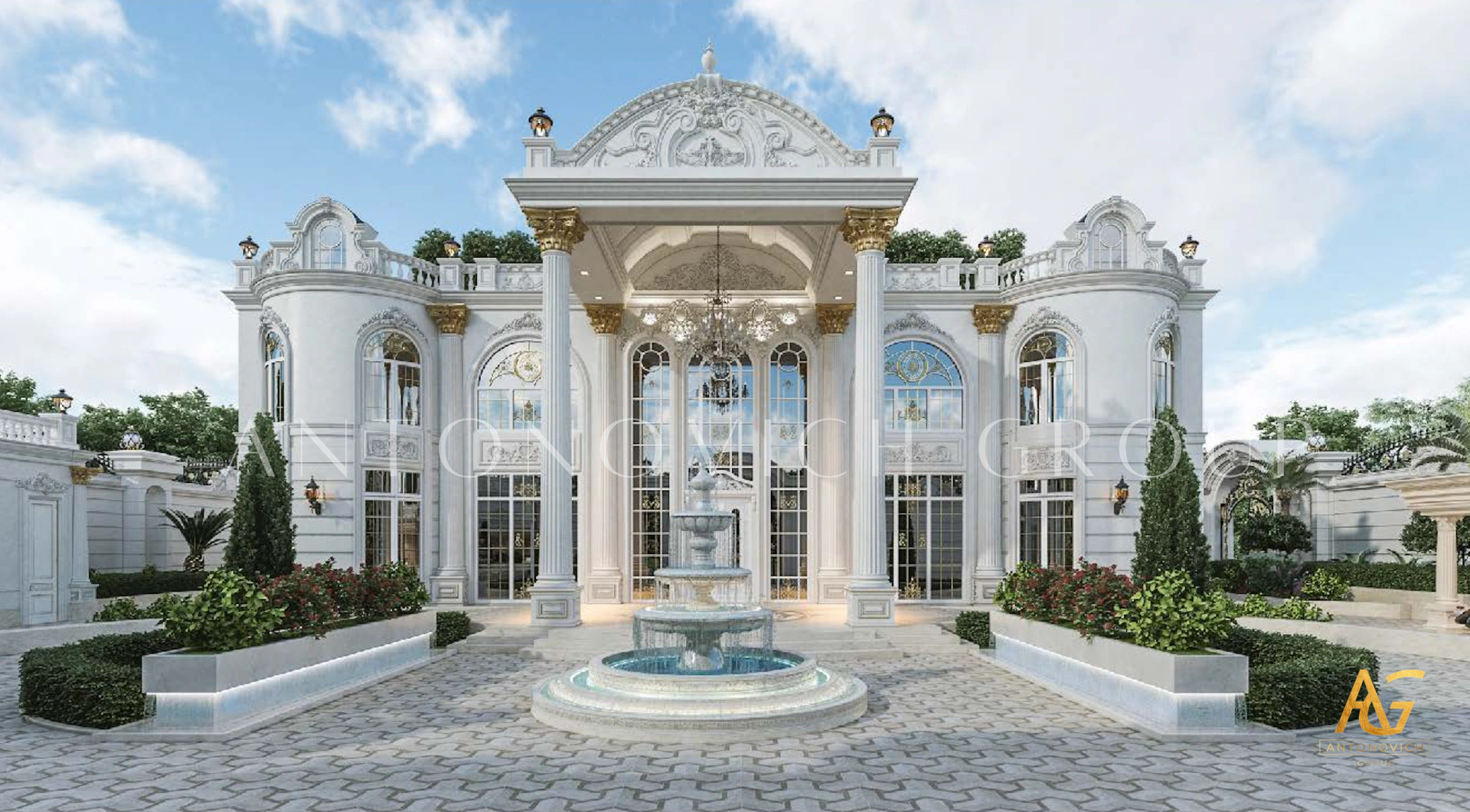
Formal symmetry, a hallmark of palace architecture throughout history, serves a purpose beyond simple aesthetic preference — it communicates institutional permanence, balance, and authority, qualities that remain relevant regardless of shifting design trends. This is why genuinely enduring palace designs continue relying on symmetrical composition even as more experimental, asymmetrical architectural approaches gain popularity in other residential contexts.
Designing for Generational Flexibility
Spaces That Accommodate Changing Needs
A palace built to endure must anticipate that its function will evolve across generations — formal reception spaces that might one day host state functions, private family wings that can adapt to different family structures over time, and infrastructure capable of accommodating technology and systems that don't yet exist at the time of original construction. This forward-thinking flexibility distinguishes genuinely enduring royal residence design from architecture optimized purely for current, immediate needs.
Formal and Private Zone Separation
Enduring palace architecture typically establishes clear, permanent separation between formal, ceremonial spaces and private family living areas — a structural distinction that remains relevant regardless of how family circumstances or ceremonial requirements evolve over subsequent generations. This zoning philosophy, established at the outset, provides lasting structural logic that doesn't require fundamental reconfiguration as the palace passes between generations.
The Landscape as Permanent Legacy
Grounds Designed to Mature Over Decades
Palace-scale landscape architecture deserves particular attention in any discussion of architectural permanence, since mature gardens, tree-lined approaches, and formal landscape structures require genuine decades to reach their full intended grandeur. Enduring palace design plans landscape architecture with this multi-decade maturation timeline explicitly in mind, selecting tree species and garden structures that will continue improving in grandeur long after initial construction, rather than landscape designed only for how it looks immediately upon completion.
Water and Garden Architecture as Timeless Elements
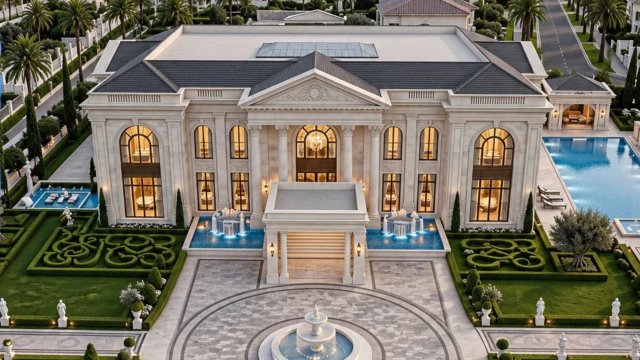
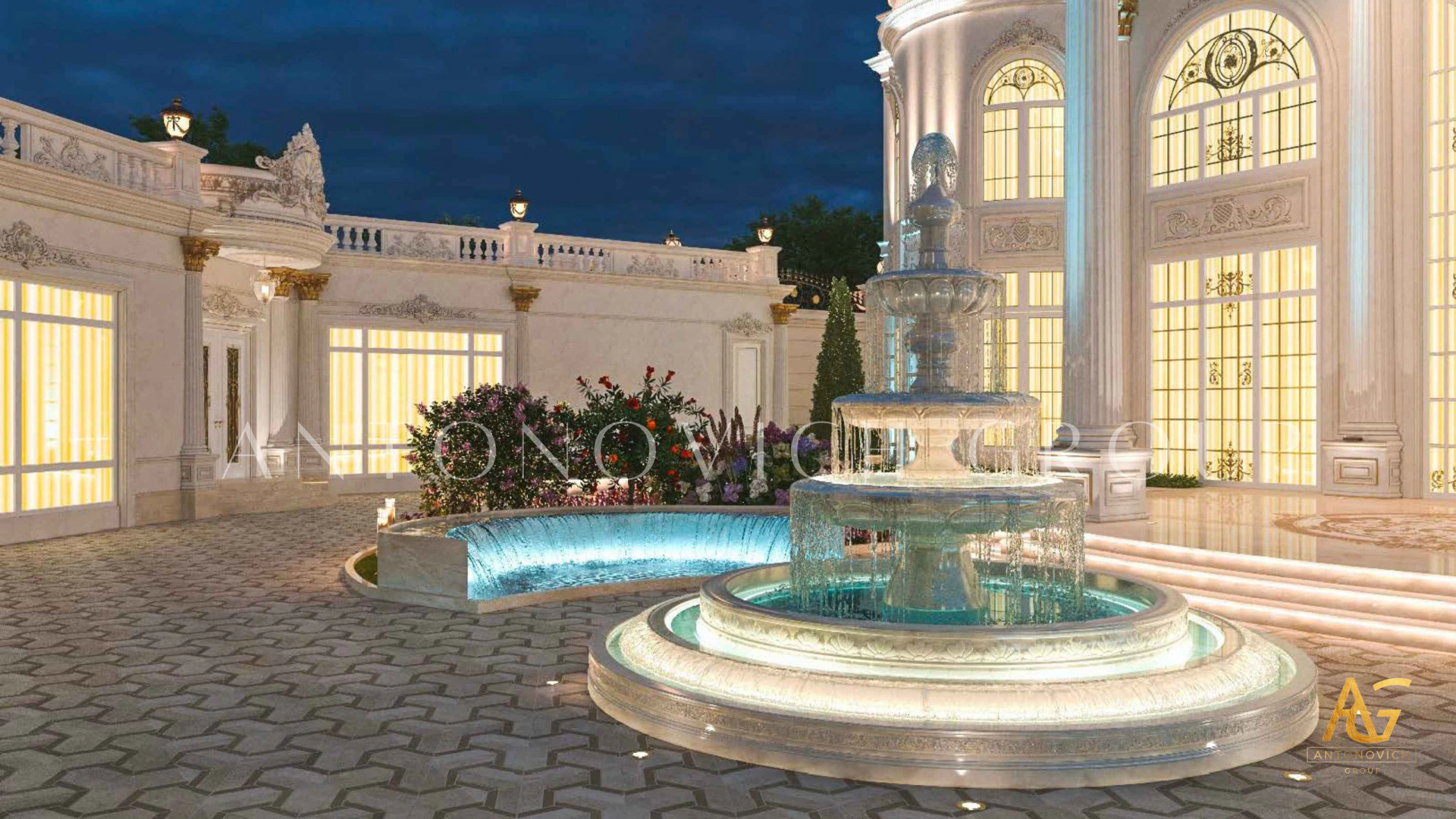
Formal reflecting pools, fountains, and structured garden geometry represent some of history's most enduringly successful landscape architecture elements — precisely because they rely on timeless principles of proportion and water's inherent visual power, rather than trend-dependent planting choices or garden styles likely to feel dated within a decade or two.
Balancing Historical Reference With Contemporary Function
Honoring Tradition Without Mere Replication
The most successful contemporary luxury palace architecture doesn't simply replicate historical palace design wholesale — it draws genuine inspiration from proven proportional and material principles while incorporating contemporary construction technology, modern systems integration, and design solutions appropriate to how residents actually live today. This balance between historical reference and genuine contemporary function is what separates authentically enduring palace architecture from mere historical pastiche.
Modern Systems Within Timeless Form
Enduring palace design increasingly integrates modern climate control, smart home technology, and contemporary security systems discreetly within classically proportioned architectural forms — ensuring the palace performs beautifully by contemporary living standards while never compromising the timeless architectural language that will keep it feeling relevant across future generations.
Why This Design Philosophy Matters?
Commissioning a genuine palace represents one of architecture's most significant and permanent decisions — a structure intended to represent family legacy for generations rather than simply reflecting current design trends. Understanding the principles that separate genuinely enduring palace architecture from grand construction that may impress initially but age poorly is essential for any client approaching a project of this significance and permanence.
True palace architecture demands a fundamentally different design philosophy than even the most luxurious contemporary villa — one centered on material permanence, timeless proportion, generational flexibility, and landscape architecture planned across decades rather than years. Understanding these principles ensures that a palace commissioned today will still be admired, respected, and genuinely treasured generations from now, exactly as history's greatest surviving royal residences continue to be admired centuries after their original construction.
Planning a palace or royal residence project built to genuinely endure across generations? Contact Antonovich Group to discuss your vision with our architecture and design team.
More projects
Any questions?
We will call you back!
We will call you back!
Enter your contact details and our manager will contact you.
Latest Posts

17.10.26
Premium Wall Panels and Finest Lighting Solutions | Address Dubai Opera Residences
Redefining Modern Luxury Apartment Interiors in Downtown Dubai In Dubai’s prestigious residential landscape, luxury apartment interior design is defined by the t...
Read more
Read more

16.10.26
Bespoke Joinery at Address Dubai Opera Residences, Dubai
Bespoke Joinery at Address Dubai Opera Residences Bespoke joinery helps make an apartment feel complete. At Address Dubai Opera Residences in Downtown Dubai, cus...
Read more
Read more

16.10.26
Apartment Renovation and Interior Design at Address Dubai Opera Residences
A successful apartment renovation brings together thoughtful interior design, quality materials and precise execution. At Address Dubai Opera Residences, Antonov...
Read more
Read more

21.09.26
Oceanfront Luxury Residences at Serenia Living Dubai
Bespoke Luxury Apartment Interior Design, Fit-Out, Renovation & Furniture Production by Antonovich Group Serenia Living Dubai represents a distinctive approach t...
Read more
Read more

18.09.26
The Art of Refined Living at St. Regis Dubai
Luxury Apartment Renovation & Bespoke Furnishing by Antonovich Group In Dubai, a luxury residence is more than a place to live. It is an expression of lifestyle,...
Read more
Read more

18.09.26
Modern Luxury Apartment Interior Design & Fit-Out by Antonovich Group
A Bespoke Two-Bedroom Residence at Stella Maris, Dubai Marina, Framed by Bluewaters Island, Marina and JBR Dubai’s waterfront residences demand an interior that...
Read more
Read more

01.09.26
How to Choose the Best Interior Design Company in Doha?
A Complete Guide to Creating a Luxurious Bedroom Interior with Antonovich Group Choosing the best interior design company in Doha is an important decision for ho...
Read more
Read more

29.08.26
Palm Jebel Ali Villa Architecture & Landscape Design
Palm Jebel Ali Villa Architecture and Landscape Design Palm Jebel Ali is becoming one of Dubai’s most prestigious destinations for luxury waterfront living. Its...
Read more
Read more
YouTube Shorts
Recent short videos from Antonovich Group projects, studio work and luxury interiors.
Latest Videos
DOWNTOWN DUBAI APARTMENT | MODERN LUXURY, THOUGHTFULLY EXECUTED
Antonovich Group | A Global Portfolio of Luxury Interiors
The Future of Luxury Villas | Modern Exterior Architecture by Antonovich Group
Luxury Classical Villa Design | Timeless Palace Exterior Architecture | Riyadh, Qatar & UAE
Luxury Majlis Interior Design Saudi Arabia | Royal Majlis by Antonovich Group
Zabeel Saray Villa | A Luxury Interior Design Masterpiece by Antonovich Group
Luxury Villa in Palm Jumeirah Dubai | Interior Renovation & Bespoke Furniture
Opera District Transformation Before & After| Dubai’s #1 Luxury Apartment Renovation Company