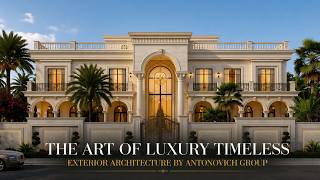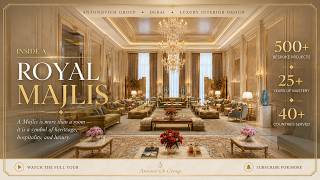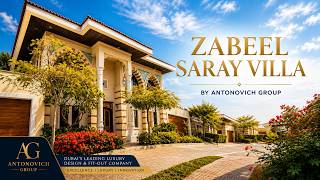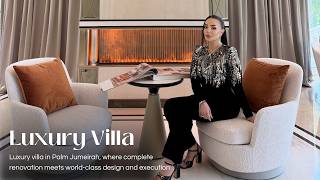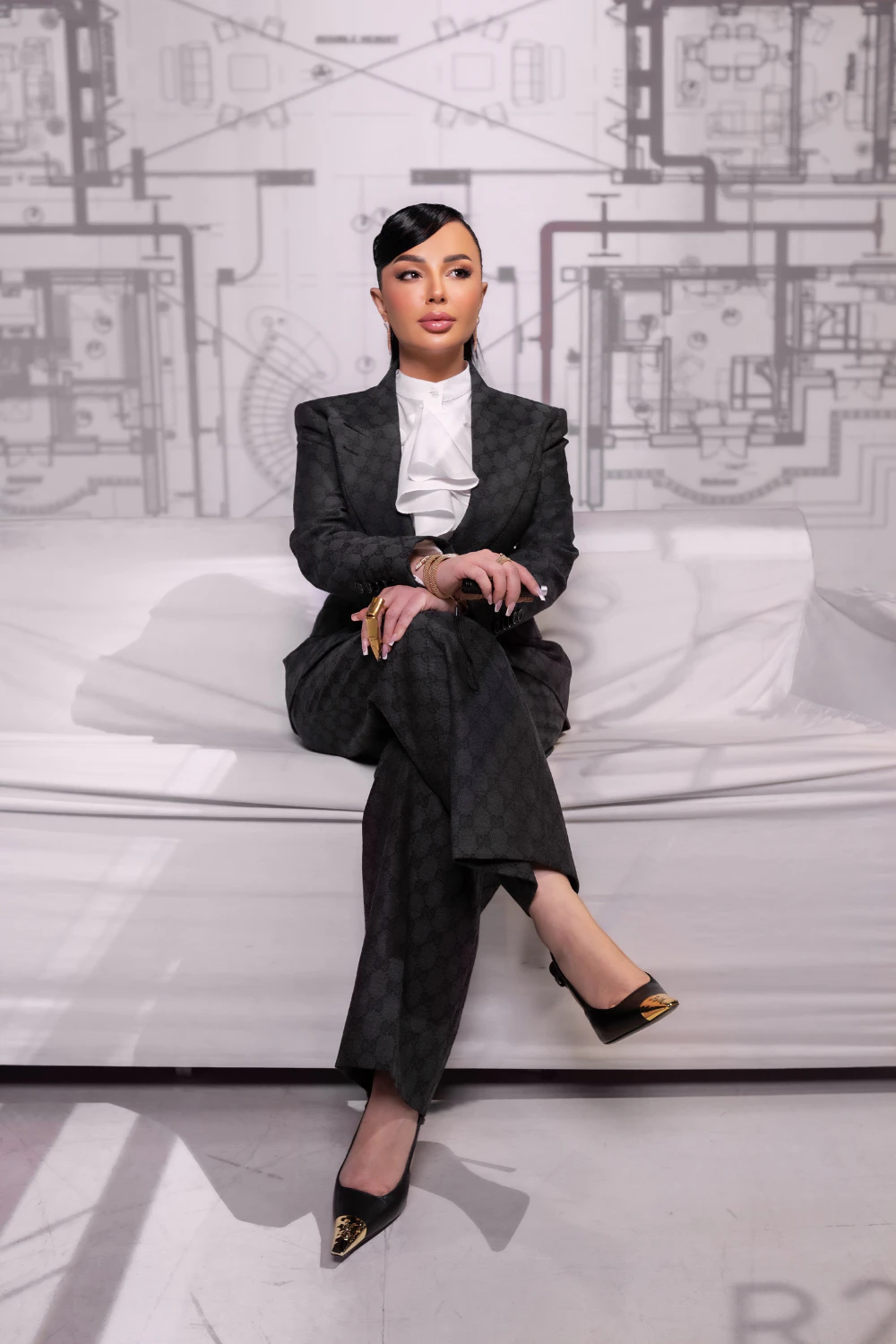
The creative philosophy of Katrina Antonovich, CEO and Chief Designer of Antonovich Group, on building a distinctive luxury design brand, combining architectural vision with technical precision, and creating exceptional residential and commercial spaces through integrated design and turnkey execution.
What inspires you as a designer and entrepreneur?
My greatest inspiration comes from the relationship between architecture, human emotion, and the way people experience a space. I believe exceptional design should do more than create a beautiful visual impression. It should influence how people live, work, relax, and connect with their surroundings.
I am inspired by the precision of architecture, the expressive qualities of materials, the craftsmanship of bespoke furniture, and the possibilities created when innovative ideas meet technical expertise. Every project presents an opportunity to explore a new perspective, whether it is a contemporary luxury villa, a sophisticated penthouse, a refined hospitality destination, or an exclusive commercial interior.
At Antonovich Group, our philosophy is to create spaces with a clear identity. We consider proportion, natural light, circulation, textures, furniture, and architectural detailing as interconnected elements of one complete design vision. For me, true luxury interior design is not defined by decoration alone. It is the result of thoughtful planning, exceptional execution, and attention to the smallest details.
What is one principle that has shaped your professional journey?
Consistency is one of the most important principles in my professional life. Creativity is essential in architecture and interior design, but creativity must be supported by discipline, knowledge, and the ability to transform ideas into reality.
A compelling concept is only the beginning. It must be developed through architectural planning, technical drawings, material selection, engineering coordination, and careful project management. Each stage requires commitment and an understanding of how individual decisions influence the final result.
I believe that professional growth comes from continuously challenging yourself, learning from experience, and maintaining high standards even when a project becomes complex. The objective should never be simply to complete a project. It should be to deliver a result that reflects the original vision while meeting the client's expectations for quality, functionality, and longevity.
What philosophy guides your approach to design?
My approach begins with understanding the people who will experience the space. Every client has a different lifestyle, aesthetic preference, cultural background, and vision for the future. Successful design translates these individual requirements into an environment that feels personal, purposeful, and architecturally coherent.
In luxury villa interior design in Dubai, for example, the relationship between privacy, entertaining, family life, and the surrounding landscape can be just as important as the selection of marble, lighting, or furniture. A well-designed home must balance visual impact with everyday comfort.
For contemporary projects, I explore clean architectural lines, carefully controlled palettes, innovative materials, and integrated technology. For classic and neoclassical interiors, I focus on proportion, symmetry, decorative craftsmanship, and sophisticated detailing.
Regardless of the style, the guiding principle remains the same: design must have purpose. Every material, furniture piece, architectural feature, and lighting decision should contribute to the overall experience.
What is the story behind Antonovich Group?
Antonovich Group was built around a comprehensive vision of architecture, interior design, and project delivery. The objective was to develop a company capable of managing the creative and technical dimensions of demanding projects while maintaining a consistent standard of quality throughout the process.
The luxury property market requires more than attractive concepts. Clients need reliable coordination between design, engineering, construction, fit-out, bespoke furniture, and the many specialist disciplines involved in delivering a completed space.
This understanding has shaped the company's integrated approach. Antonovich Group offers expertise across architecture, luxury interior design, exterior design, landscape planning, interior fit-out, renovation, custom joinery, and furniture production, with project management supporting the coordination of these services.
The benefit of this approach is continuity. Architectural intent can be considered alongside material performance, construction requirements, custom manufacturing, and final installation. Rather than treating each discipline as an isolated task, the objective is to create a coordinated process from the initial concept to the completed environment.
Dubai has provided an important setting for this philosophy. Its residential and commercial landscape demands sophisticated design solutions, technical competence, and an understanding of how international influences can be interpreted for the region. Through its work, Antonovich Group aims to bring these qualities together in projects that respond to individual clients and their ambitions.
How does Antonovich Group distinguish itself in luxury interior design in Dubai?
Our distinction lies in the relationship between creative direction and execution. A luxury interior must be considered as a complete environment, not simply a collection of expensive finishes and furniture.
We begin by establishing the architectural character and functional requirements of the project. Space planning, circulation, ceiling design, lighting coordination, material palettes, and bespoke elements are developed as part of a unified concept. This creates a clear framework for subsequent technical development and implementation.
Our capabilities in custom furniture and joinery are particularly important to this process. Bespoke wardrobes, wall panels, kitchen cabinetry, doors, decorative features, and individually designed furniture allow the interior to achieve a level of cohesion that standard products may not provide.
Material selection is equally significant. Natural marble, travertine, onyx, timber, metal, glass, and specialist finishes each have distinct visual and practical characteristics. The right selection depends on the design concept, the intended atmosphere, maintenance requirements, and the way materials interact with light.
For clients seeking a luxury interior design company in Dubai, the value of an integrated approach is the ability to connect these decisions with the broader project vision. Our goal is to ensure that the completed space feels considered from its architectural structure to its final decorative details.
How do you approach the challenges of delivering complex projects?
Every ambitious project involves a balance between design aspirations, budget, schedule, technical requirements, and quality. The challenge is not to prioritise one element at the expense of the others, but to manage their relationship through informed decisions and careful coordination.
The process begins with a clear understanding of the client's brief, project scope, and priorities. Architectural and interior design proposals must then be developed in coordination with engineering requirements, material availability, construction methodology, and procurement schedules.
Communication is essential. When designers, consultants, project managers, contractors, and specialist suppliers work from a coordinated set of requirements, potential conflicts can be identified earlier. This helps reduce avoidable changes and supports more predictable project delivery.
In turnkey interior fit-out projects, this coordination becomes particularly important because design decisions directly affect construction, joinery production, installation, and final finishing. A detail that appears simple in a concept image may require careful technical development to achieve the intended result on site.
At Antonovich Group, the objective is to preserve the integrity of the design while addressing the practical realities of implementation. Quality is not simply the appearance of the finished project; it also reflects the precision, functionality, and consistency behind it.
How are client expectations changing in the luxury property market?
Today's clients increasingly expect their homes and commercial environments to be personalised, functional, and technologically sophisticated. Visual appeal remains important, but it is only one part of a broader expectation.
In luxury residential architecture, clients may seek open and connected living areas, private wellness spaces, dedicated home offices, advanced lighting controls, integrated home automation, and carefully planned outdoor environments. Master suites, dressing rooms, private cinemas, spas, and bespoke kitchens are often designed around individual routines rather than standard layouts.
Commercial clients have their own priorities. Restaurant interior design must support guest experience, operational efficiency, circulation, acoustics, and brand identity. Hotel and hospitality projects must balance memorable design with durability, comfort, and the needs of staff and visitors.
Sustainability and long-term performance are also important considerations. Material durability, efficient lighting, responsible specification, and designs that remain relevant over time can contribute to a more considered investment.
For Antonovich Group, responding to these expectations means combining creativity with practical understanding. Each project should reflect the client's ambitions while remaining appropriate to its location, use, and long-term requirements.
What role do craftsmanship and bespoke furniture play in your projects?
Craftsmanship gives a design its individuality. Architecture establishes the structure and spatial experience, while carefully developed interior details give the environment its character.
Bespoke furniture and joinery enable us to work with specific proportions, materials, finishes, and storage requirements. A custom-made dining table, an integrated wardrobe system, a sculptural wall panel, or a carefully detailed reception desk can become an essential part of the architectural composition.
The process requires collaboration between designers and technical specialists. Drawings, material samples, finishes, dimensions, hardware, and installation details must be considered together to achieve the intended outcome.
This is particularly relevant in luxury villa interior design, penthouse interiors, hotel suites, and premium commercial spaces, where standard solutions may not satisfy the project's specific requirements.
Our focus is on ensuring that custom elements contribute to the complete design rather than competing for attention. The best results are achieved when craftsmanship, proportion, material quality, and functionality work together naturally.
What is the most rewarding part of your work?
One of the most rewarding experiences is seeing an idea evolve from an initial concept into a completed architectural environment. At the beginning, a project may exist only as sketches, drawings, material references, and a vision of how the space should feel.
As the work progresses, that vision takes physical form. Architectural elements are constructed, surfaces are installed, bespoke furniture is positioned, and lighting and finishing details bring the design together.
The transformation is meaningful because it represents the combined effort of many people. Designers, architects, engineers, craftspeople, project managers, and installation teams all contribute to the final result.
I also value the relationship with the client throughout this process. Understanding their expectations, resolving challenges, and seeing them experience a completed space that reflects their aspirations is an important part of the work.
For me, success is not measured solely by the visual impact of a project. It is also reflected in how effectively the space serves its purpose and how well the final result expresses the original design intention.
What advice would you give to aspiring architects, designers, and business leaders?
Develop a clear vision, but learn how to translate it into a practical plan. Creativity is a powerful starting point, yet professional success requires technical knowledge, communication, organisation, and the willingness to take responsibility for decisions.
Study materials and construction methods, understand how buildings function, and pay attention to the details that determine the quality of a completed project. Learn to collaborate with people whose expertise differs from your own. Architecture and interior design are multidisciplinary professions, and strong outcomes depend on effective teamwork.
I would also encourage emerging professionals to remain curious. Design evolves alongside technology, manufacturing, cultural influences, and changing ways of living. Continuous learning allows designers to respond to these changes without losing their own creative identity.
For business leaders, clarity is equally important. A company needs a defined purpose, consistent standards, and a culture that supports accountability and collaboration. Long-term credibility is built through the quality of decisions and the reliability of delivery.
Ultimately, leadership means taking responsibility for turning a vision into something real. It requires imagination to see what is possible, discipline to develop the right strategy, and determination to guide a team through the work required to achieve it.
Looking ahead: The future of Antonovich Group
The future of architecture and interior design will continue to bring together personalisation, technological innovation, material research, and more integrated project delivery. Clients will increasingly look for environments that express their identity while supporting comfort, functionality, and lasting value.
Antonovich Group's direction is centred on strengthening the relationship between architecture, interior design, fit-out, and bespoke production. This integrated perspective supports a more coordinated approach to residential, hospitality, and commercial projects.
From contemporary luxury villas and sophisticated penthouses to distinctive restaurants, hotels, and commercial interiors, the ambition is to create environments that are individual in character and carefully resolved in execution.
For Katrina Antonovich, the central principle remains consistent: successful design begins with a vision, develops through expertise and collaboration, and reaches its full potential when every detail contributes to a coherent whole.
Through this philosophy, Antonovich Group continues to position its services around the expectations of clients seeking luxury architecture, bespoke interior design, and turnkey project solutions in Dubai and beyond.