Masterplanning Cultural and Civic Districts
Every great city has places where its culture and civic life are concentrated: a museum quarter where people spend a day among art and history; a civic square framed by the town hall, the grand mosque and the courts; a creative district of galleries, studios and theatres; a government district where ministries and institutions express the dignity of the state. These are the districts that give cities their soul. They are where citizens gather for celebrations, where visitors discover a nation’s identity, and where architecture speaks most clearly about who a society is and what it values.
Across the Gulf, cultural and civic districts have become central to national visions. Museum islands, cultural quarters, opera houses, national libraries, heritage districts and new government centres are reshaping cities and positioning them as global cultural destinations. In Central Asia, capitals are building new civic centres with monumental squares and institutions. Each of these projects begins with a masterplan that decides how buildings relate to each other, how people move between them, what public spaces connect them and how the district becomes a living part of the city rather than a collection of isolated monuments.
This article explores cultural and civic district masterplanning in depth — purpose, programme, urban structure, landmarks, public realm, heritage, accessibility, climate, programming, identity, management and phasing — and explains how Antonovich Group, led by architect Katrina Antonovich, contributes masterplans and landmark architecture for cultural, civic and religious buildings across the Gulf and beyond.
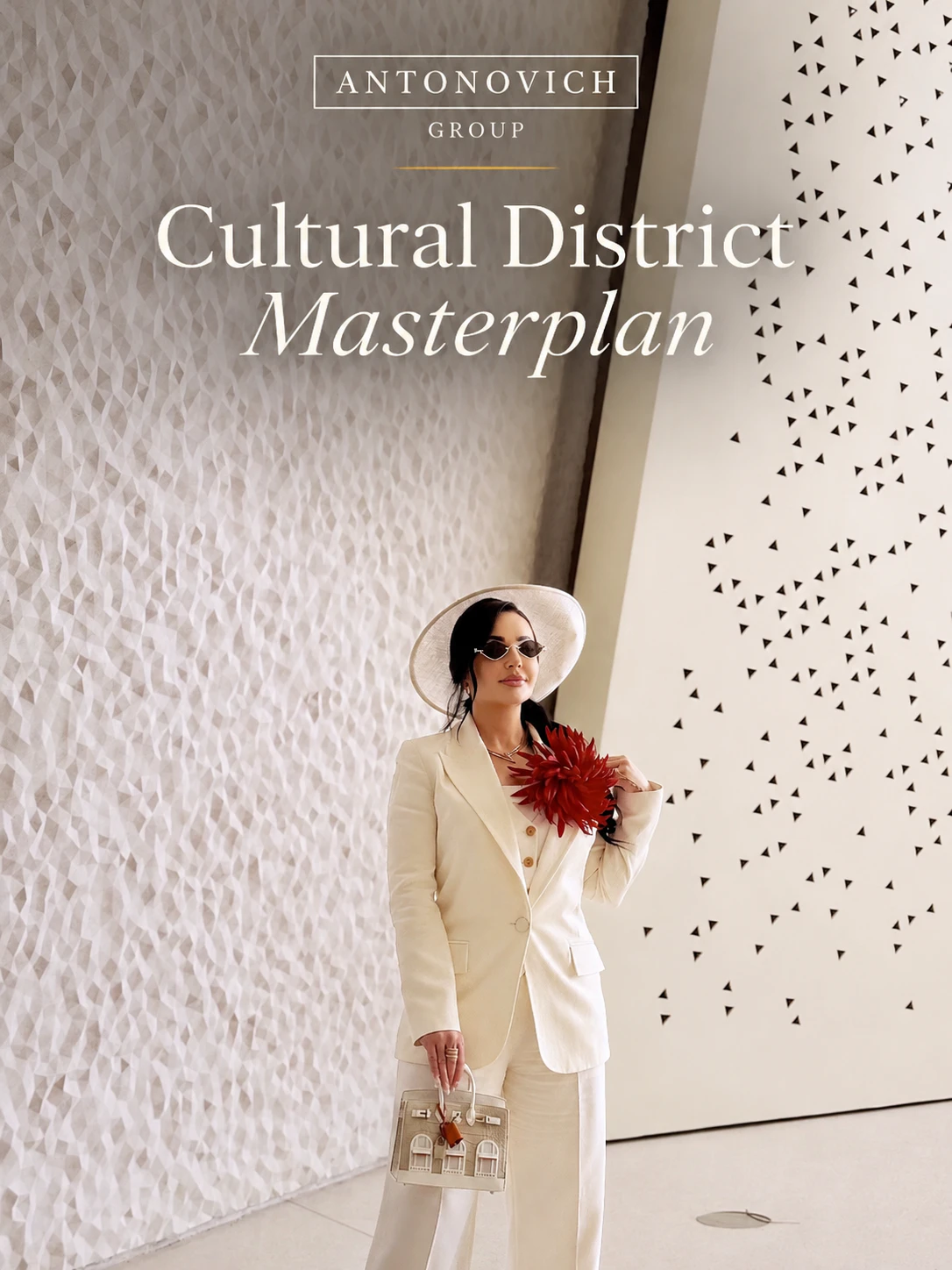
Part 1: What Are Cultural and Civic Districts?
Cultural Districts
Cultural districts concentrate institutions and activities related to arts, heritage and creativity:
• Museums of art, history, science and national heritage.
• Performing arts venues: opera houses, theatres, concert halls.
• Libraries and archives.
• Galleries and art centres.
• Creative industries: studios, design houses, media companies.
• Education: art schools, academies, universities.
• Heritage sites and restored historic buildings.
• Public art and cultural events.
Civic Districts
Civic districts concentrate institutions of government and public life:
• Government buildings: ministries, parliament, courts, municipal offices.
• Civic squares for ceremonies and celebrations.
• Grand mosques as spiritual and civic landmarks.
• Public services: libraries, cultural centres, community halls.
• Memorials and national monuments.
Overlapping Roles
Many districts combine cultural and civic roles: a national square framed by a museum, a library, a grand mosque and government buildings, forming the symbolic heart of a city.
Part 2: Why Cultural and Civic Districts Matter
National Identity
Cultural and civic districts express a nation’s history, values and aspirations. Their architecture and institutions tell the story of a people.
Soft Power and Tourism
World-class museums and cultural venues attract international visitors, raise global profiles and support tourism economies.
Quality of Life
Residents gain access to culture, learning and civic participation, enriching daily life.
Economic Development
Cultural districts attract creative industries, hospitality, retail and investment, regenerating surrounding areas.
Social Cohesion
Civic squares and cultural spaces bring diverse communities together, fostering shared identity and belonging.
Legacy
Above all, cultural and civic districts are legacies. They are built for centuries, not decades, and are often the buildings by which future generations will remember the vision of today’s leaders.
Part 3: The Vision and Programme
Defining the Purpose
What story will the district tell? A national heritage district celebrates history; a contemporary art district looks to the future; a government district expresses authority and service; a creative quarter supports innovation and entrepreneurship.
Institutional Programme
The masterplan defines the institutions: their sizes, functions, collections, audiences and relationships. Some institutions are planned from the start; others may be added in future phases.
Supporting Uses
Cultural districts need more than institutions: cafés, restaurants, hotels, retail, residences, offices and education keep the district active beyond museum opening hours.
Audiences
Planning for audiences — residents, schoolchildren, families, tourists, scholars, artists, officials — shapes facilities, circulation and services.
Partnerships
Cultural districts often involve partnerships with international institutions, operators and curators, influencing building requirements and programmes.
Part 4: Urban Structure
Composing Landmarks Into an Ensemble
Cultural and civic districts contain multiple landmark buildings. The masterplan composes them into a coherent ensemble: placing them along axes, around squares, along waterfronts or in parks, so that each landmark is seen to its best advantage while contributing to the whole.
Axes and Squares
Classical civic planning uses axes and squares to create order and dignity: a ceremonial avenue leading to a parliament or grand mosque, a square framed by public buildings. These devices remain powerful today for civic districts.
Clusters and Promenades
Cultural districts often organise institutions along a promenade or around a shared public space, allowing visitors to move easily between museums, theatres and galleries.
Integration With the City
Successful districts are woven into the city — connected by streets, transit and walkways — rather than isolated on islands of land surrounded by roads and parking.
Scale
Monumental scale suits civic ceremonies and landmarks; human scale suits daily life. The best districts combine both: grand squares and intimate courtyards, monumental façades and active street frontages.
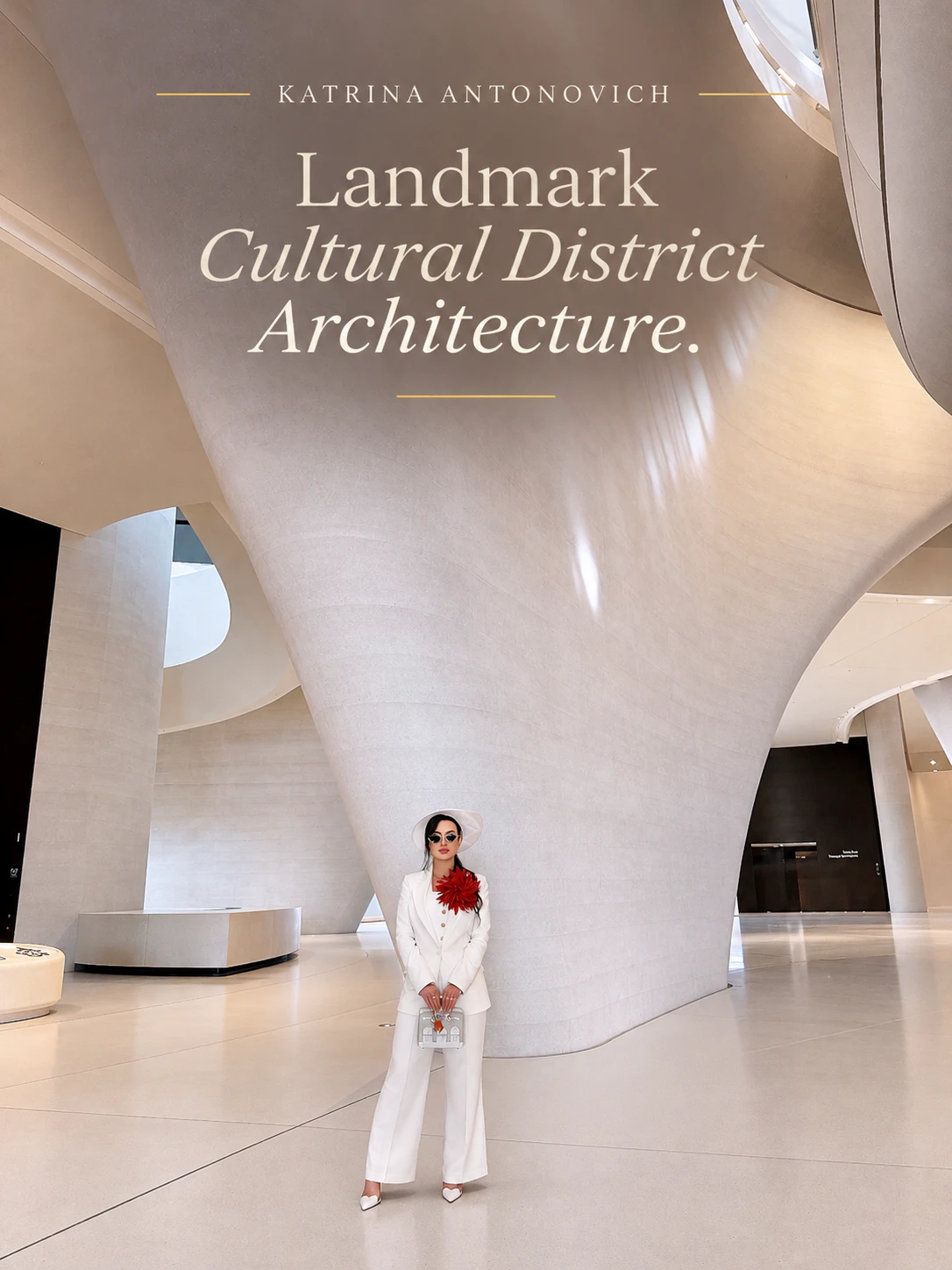
Part 5: Landmark Architecture
The Role of Landmarks
Iconic buildings give cultural districts global visibility and a recognisable image. A museum, opera house or grand mosque can become a symbol of a city.
Diversity and Harmony
Cultural districts often feature buildings by different architects. The masterplan sets principles — heights, setbacks, materials, relationships to public spaces — that allow diverse architecture to form a harmonious ensemble.
Civic Dignity
Government buildings should express dignity, permanence and openness. Classical proportions, symmetry, colonnades, domes and quality materials remain strong languages for civic architecture, as do contemporary interpretations rooted in regional tradition.
Regional Identity
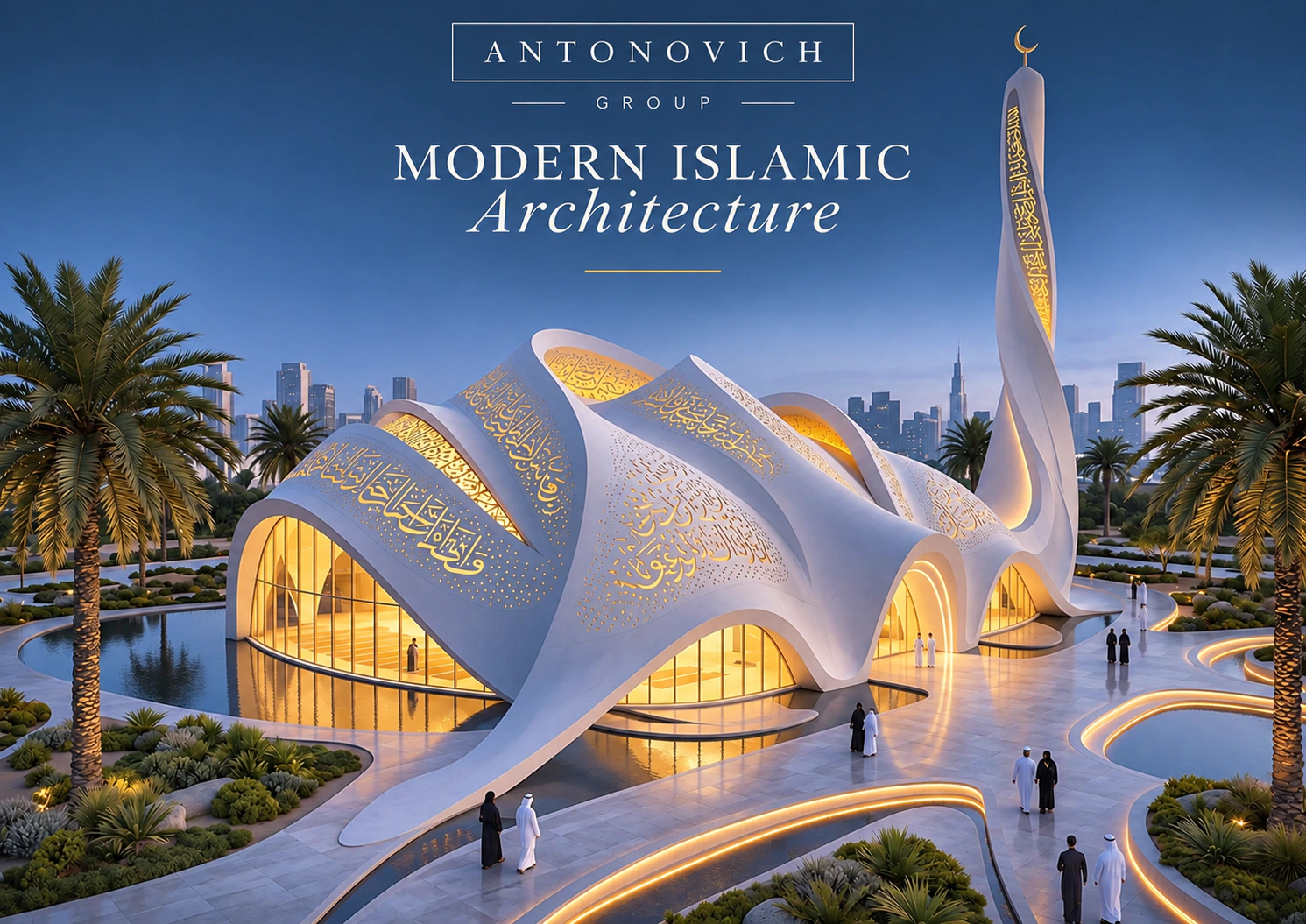
Architecture in Gulf cultural districts increasingly draws on regional heritage: courtyards, domes, arches, mashrabiya, geometry, calligraphy and natural materials — reinterpreted in contemporary forms.
Part 6: The Grand Mosque in the Civic District
Spiritual and Civic Heart
In Gulf and Islamic cities, the grand mosque is often the most important building in the civic district. It is a place of worship, a symbol of faith and identity, a gathering place for Friday prayers and Eid celebrations, and often a destination for visitors.
Placement
Within the civic district, the grand mosque is placed with special dignity: at the end of a ceremonial axis, facing a major square, on high ground or along a waterfront, oriented precisely towards the qibla. Its domes and minarets dominate the skyline.
Surrounding Spaces
Courtyards, gardens, reflecting pools and plazas around the mosque accommodate large congregations during Eid and Friday prayers and provide a setting of beauty and calm.
Facilities
Ablution areas, women’s prayer halls, libraries, education centres, visitor centres and parking or transit access for large numbers.
Architecture
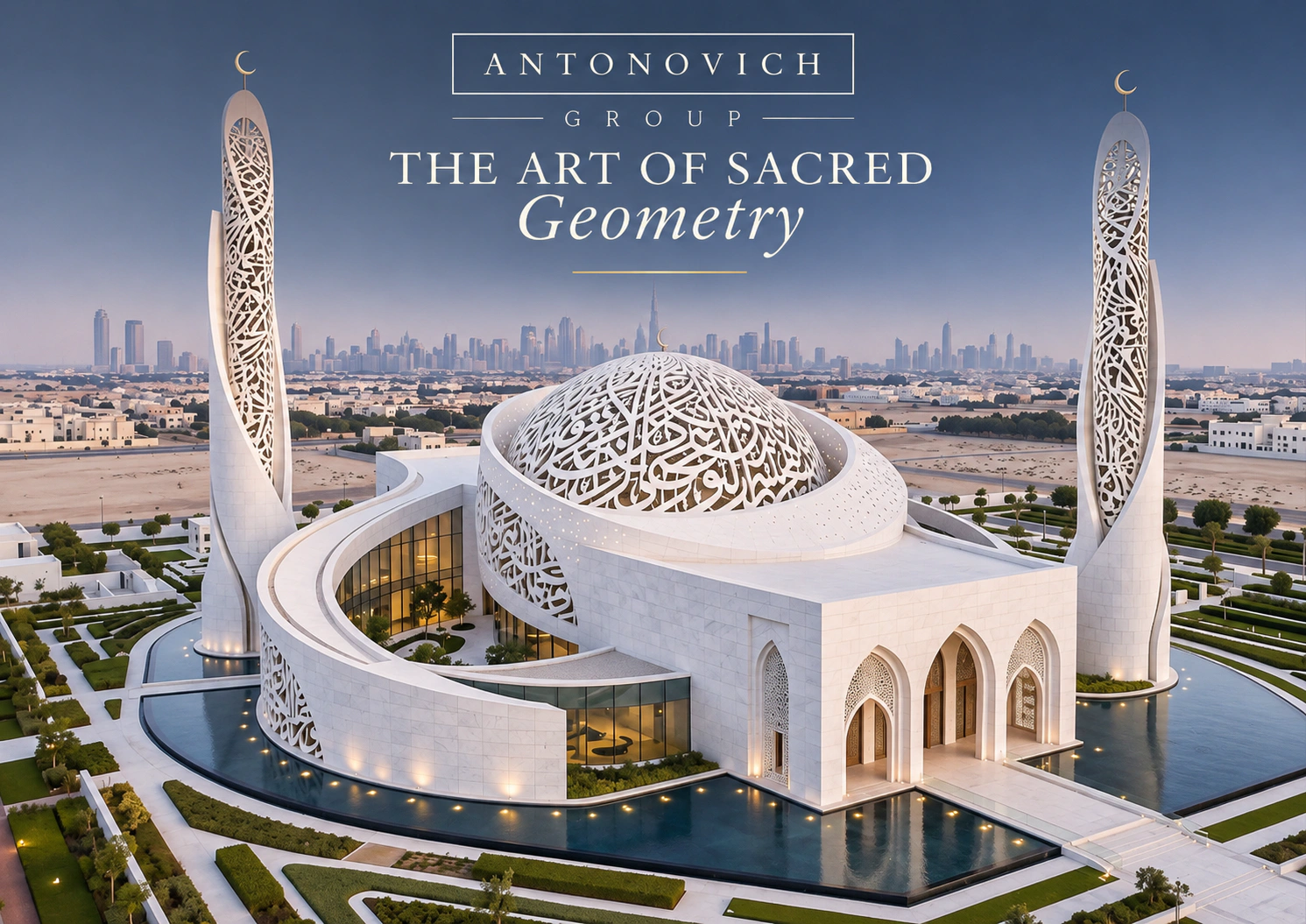
Mosque architecture in civic districts ranges from classical Islamic forms with domes, arcades and minarets to contemporary designs with lattice domes, light and abstraction. Antonovich Group has developed contemporary mosque concepts with white lattice domes, combining tradition with modern expression.
Part 7: Public Realm
Squares and Plazas
Civic squares host national celebrations, ceremonies, gatherings and the quieter rhythms of daily life. Their size, proportions, surfaces, shade and furniture must accommodate both grand occasions and ordinary days.
Cultural Promenades
Promenades connecting cultural institutions provide shaded walks, outdoor exhibitions, public art and spaces for performances.
Gardens and Parks
Gardens around museums and civic buildings provide settings for architecture, places for rest and spaces for outdoor events and sculpture.
Water
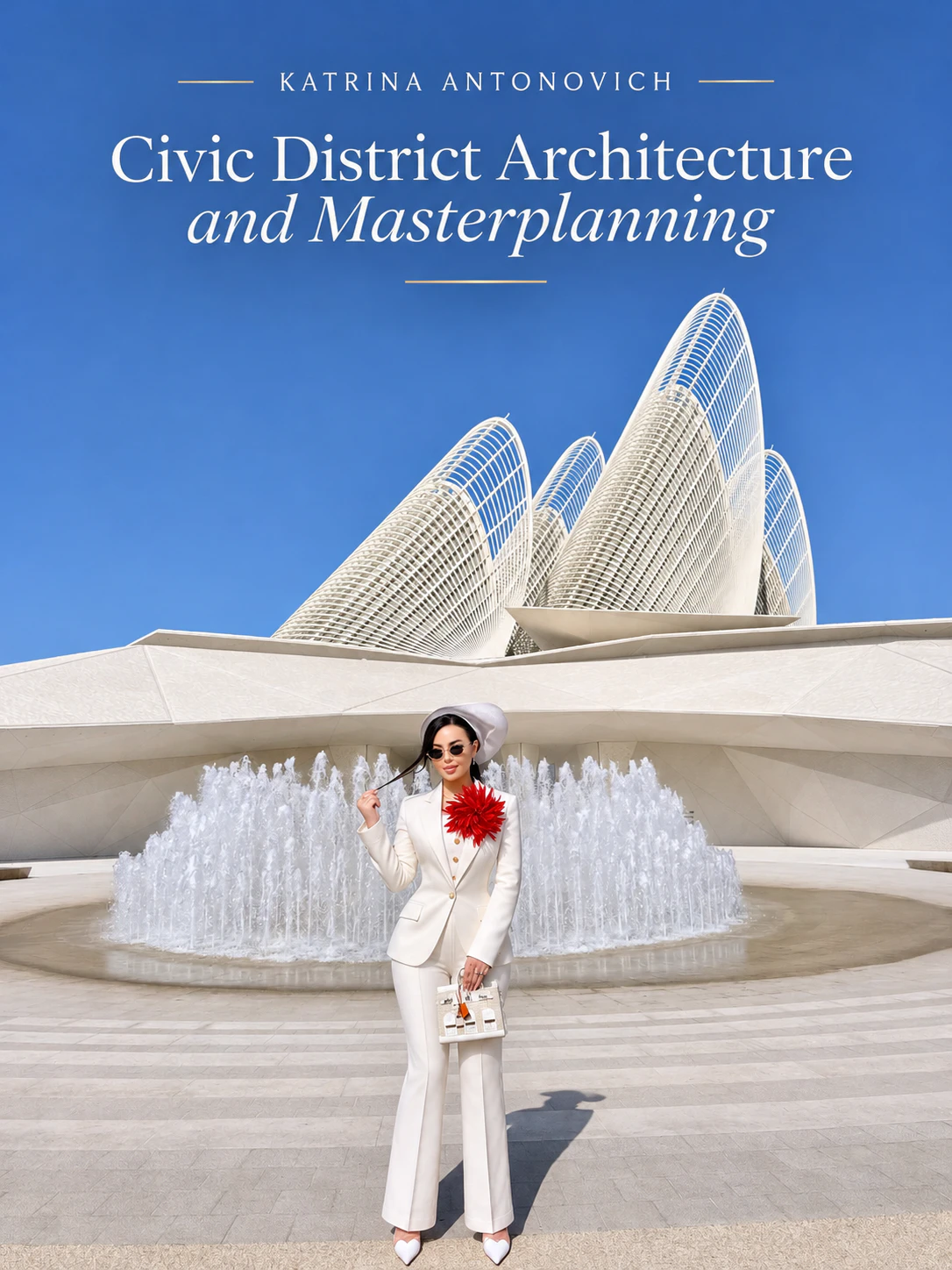
Fountains, reflecting pools and channels add beauty, cooling and calm, and can mirror landmark buildings.
Public Art
Sculptures, installations and murals enrich public spaces and express the district’s cultural mission.
Climate Comfort
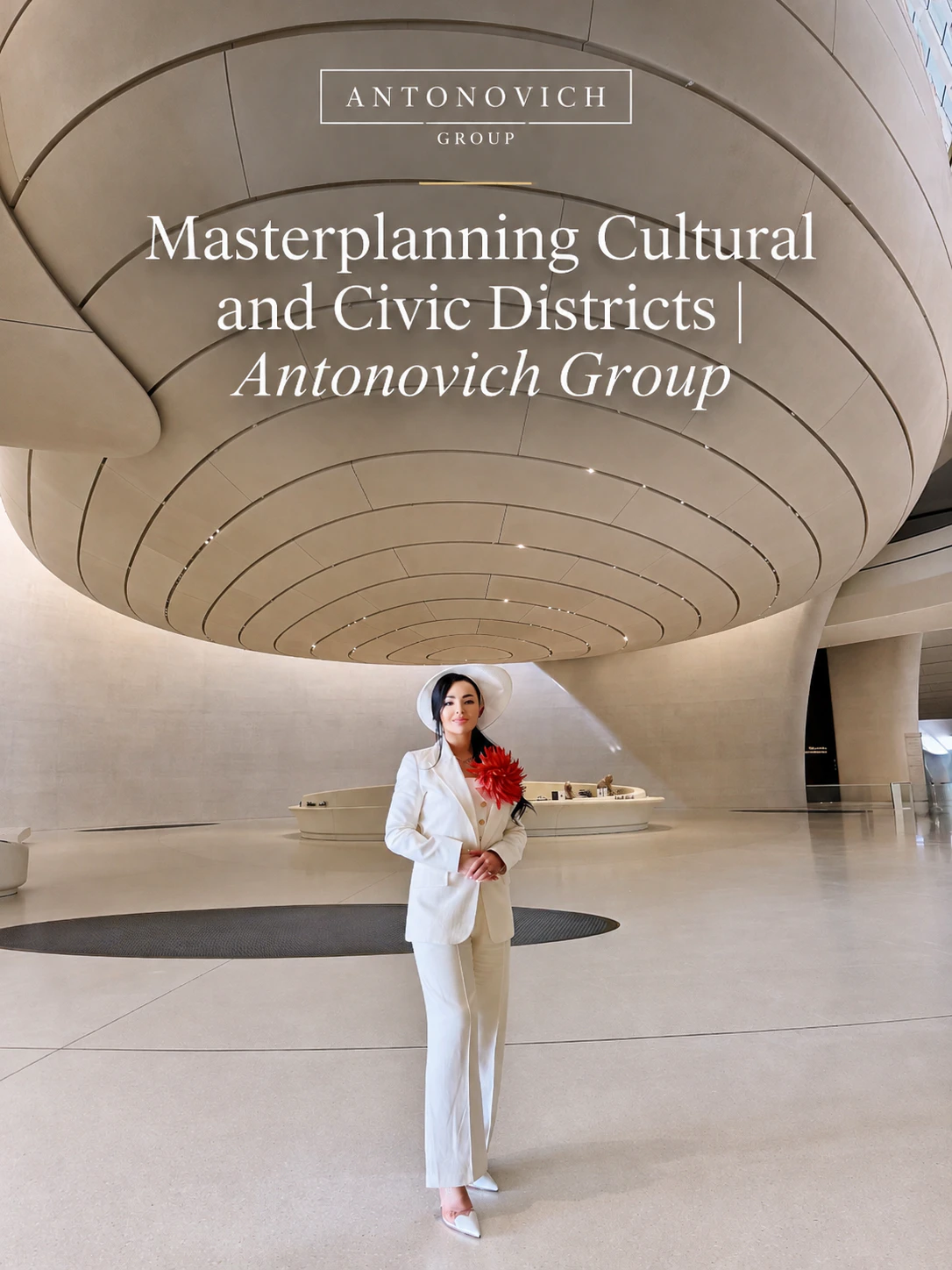
In the Gulf, cultural districts must be comfortable outdoors: shade canopies, arcades, trees, water features and indoor connections allow visitors to move between institutions in comfort.
Part 8: Heritage
Protecting the Past
Many cultural districts include or adjoin historic areas: old forts, souks, traditional houses, wind towers, mosques and creeks. These must be protected, restored and integrated with new development.
Adaptive Reuse
Historic buildings can become museums, galleries, cultural centres, boutique hotels and restaurants, gaining new life while preserving their character.
New Architecture in Historic Settings
New buildings near heritage sites should respect scale, materials and character, while expressing their own time. Height controls, materials guidelines and view protection maintain the integrity of historic areas.
Intangible Heritage
Cultural districts also celebrate intangible heritage: crafts, music, poetry, storytelling, cuisine and traditions, through workshops, festivals and performance spaces.
Part 9: Accessibility and Movement
Access for All
Cultural and civic districts must be accessible to everyone: people with disabilities, families with prams, elderly visitors and children. Step-free routes, ramps, lifts, seating and clear wayfinding are essential.
Public Transport
Metro and bus connections allow large numbers of visitors to arrive without cars, especially during events.
Parking
Consolidated and underground parking keeps public spaces free of cars, with coach parking for tour groups and school visits.
Pedestrian Priority
Within the district, pedestrians should have priority, with car-free squares and promenades.
Event Logistics
Major events — national days, festivals, concerts — require crowd management, temporary structures, security and emergency access, all planned in the masterplan.
Part 10: Security
Openness and Protection
Civic districts host important institutions and large crowds. Security must protect people and buildings without making the district feel fortified.
Integrated Measures
Landscaped barriers, bollards integrated with street furniture, controlled vehicle access, surveillance and secure perimeters for sensitive buildings — designed as part of the public realm.
Government Security
Ministries, parliaments and courts require additional security layers, coordinated with security agencies and handled confidentially.
Part 11: Programming and Activation
Beyond Opening Hours
Without careful planning, cultural districts can feel empty when institutions close their doors. Restaurants, cafés, evening performances, night markets, outdoor cinema, festivals and residential uses keep districts alive in the evening.
Seasonal Programmes
In the Gulf, the cooler months are ideal for outdoor festivals, art fairs, concerts and markets. Indoor programmes sustain activity in summer.
Education and Community
Workshops, school programmes, lectures, libraries and community events connect residents with cultural institutions.
Creative Economy
Studios, co-working spaces for creative professionals, design shops and incubators generate ongoing activity and economic value.
Part 12: Identity and Branding
A Distinct Character
Each cultural district should have a distinct and memorable character: a museum island, a heritage quarter, a design district, an arts promenade.
Wayfinding and Signage
Wayfinding systems help visitors navigate between institutions and express the district’s identity.
Digital Presence
Websites, apps, virtual tours and social media extend the district’s reach and attract visitors.
Part 13: Sustainability
Environmental Performance
Museums and theatres have high energy demands for climate control, lighting and technical systems. District cooling, efficient building design, renewable energy and smart controls reduce consumption.
Landscape and Water
Native planting, efficient irrigation and treated water support sustainable landscapes.
Social Sustainability
Free or affordable access, community programmes and inclusive design ensure that cultural districts serve all citizens.
Part 14: Management and Governance
District Management
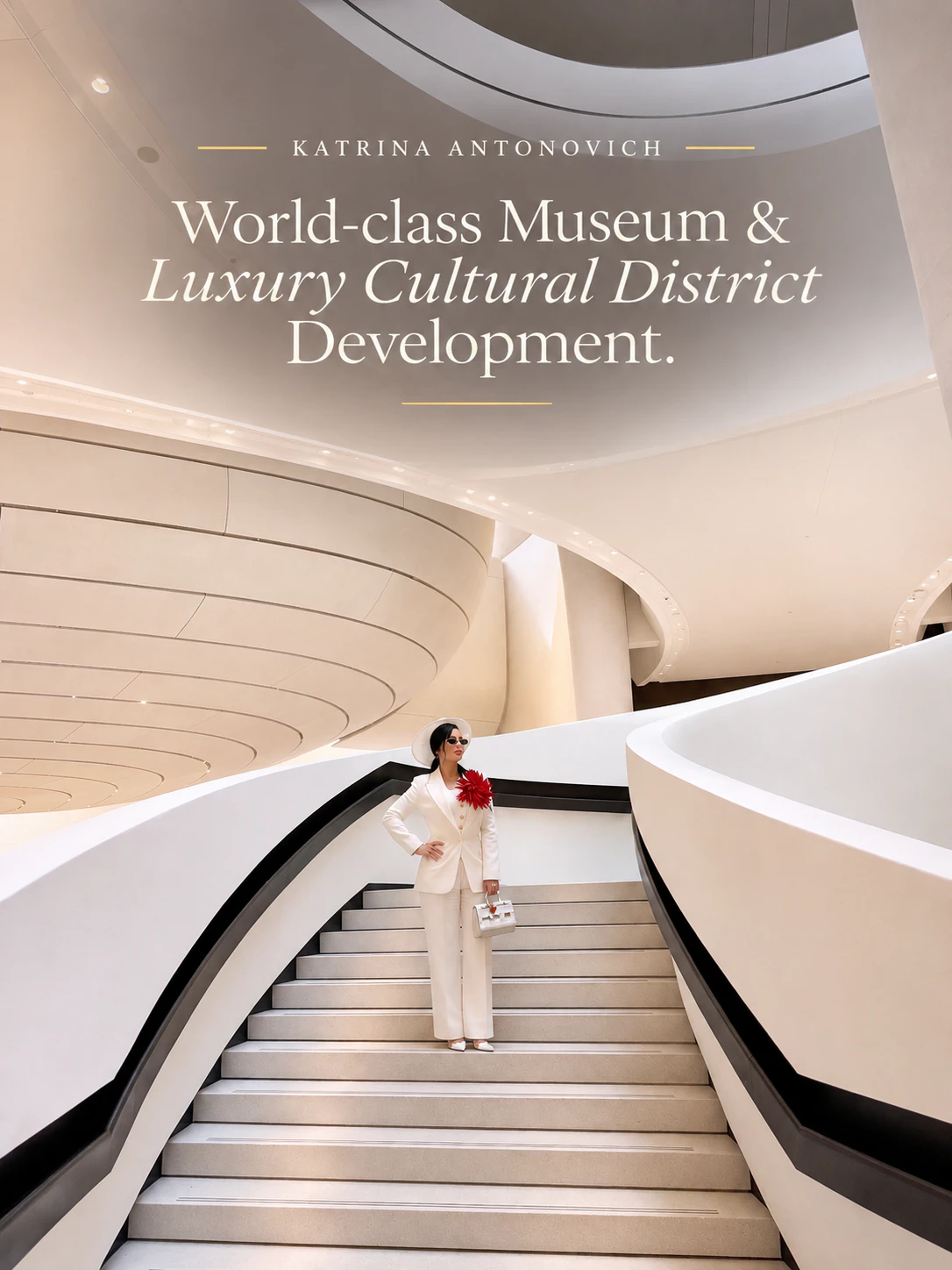
A dedicated management entity often coordinates institutions, public spaces, events, security, maintenance and marketing.
Institutional Partnerships
Institutions may share facilities — storage, conservation laboratories, education centres, parking — reducing costs.
Funding
Government budgets, sponsorship, ticketing, retail, events and commercial development fund operations.
Part 15: Phasing
Opening With a Landmark
The first phase often opens with a flagship institution — a museum, theatre or grand mosque — along with key public spaces and supporting amenities.
Growing the Ensemble
Additional institutions are added over time, each strengthening the district. The masterplan reserves sites and defines principles for future buildings.
Avoiding Isolation
Each phase should include supporting uses — cafés, shade, transport — so that early institutions are not isolated.
Part 16: Types of Cultural and Civic Districts
Museum Districts and Islands
Clusters of major museums in a dedicated district or island, often with waterfront settings and iconic architecture.
Heritage Districts
Restored historic quarters with museums, crafts, souks and boutique hospitality.
Arts and Creative Quarters
Districts of galleries, studios, design shops and performance spaces, often in regenerated industrial areas.
Government and Administrative Districts
Ministries, parliament, courts and civic institutions arranged around ceremonial axes and squares.
Knowledge and Education Districts
Universities, libraries, research centres and science museums.
Religious and Cultural Centres
Grand mosques with Islamic cultural centres, libraries and education facilities.
Part 17: Designing Government Districts
Expressing the State
Government districts express the dignity and continuity of the state. Their masterplans often feature:
• A ceremonial axis linking key institutions.
• A national square for ceremonies and celebrations.
• Ministries arranged with clear hierarchy and efficient connections.
• Parliament and courts as distinct landmarks.
• Gardens and water creating dignified settings.
Efficiency and Service
Government districts must also work efficiently: accessible public service centres, shared facilities, efficient transport for employees and visitors, and flexible office buildings.
Openness
Contemporary government districts increasingly emphasise openness and accessibility — public gardens, visitor centres and transparent architecture — balancing security with civic engagement.
Part 18: Anatomy of a Cultural and Civic Quarter
Consider a hypothetical cultural and civic quarter of around 40 hectares at the heart of a Gulf capital:
• A ceremonial boulevard lined with palms and shaded colonnades, leading from the city’s main road to a national square.
• The national square: a grand open space with fountains and flagpoles, framed on three sides by landmark buildings and used for national day celebrations, parades and concerts.
• A grand mosque at the head of the square, its main dome and minarets visible across the city, with courtyards and gardens accommodating tens of thousands of worshippers at Eid.
• A national museum on one side of the square, telling the country’s story from ancient times to the present.
• A national library and archive on the other side, with reading rooms, research facilities and a children’s library.
• A performing arts centre on the waterfront edge of the quarter, with a concert hall, theatre and outdoor amphitheatre.
• A heritage souk restored from an old market area, with crafts workshops, cafés and small museums.
• A cultural promenade linking all institutions under shade canopies and trees, with outdoor sculptures and seating.
• Gardens around each institution, including a paradise garden beside the mosque and a sculpture garden beside the museum.
• Supporting uses: a boutique hotel, restaurants, a visitor centre, artist studios and residential buildings at the edges.
• Transport: a metro station beneath the square, underground parking and coach drop-off areas.
Such a quarter becomes the place where the nation celebrates, where schoolchildren learn their history and where visitors discover the country’s culture.
Part 19: Interiors of Cultural and Civic Buildings
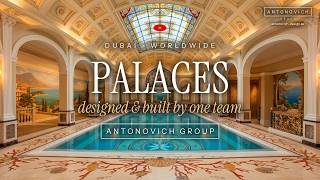
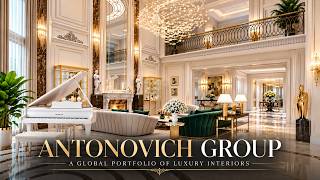
The interiors of cultural and civic buildings are as important as their exteriors. Entrance halls must welcome large numbers of visitors with clarity and grandeur. Ceremonial rooms in government buildings must express dignity through proportions, materials, lighting and furniture. Museum galleries require precise lighting, environmental control and flexible display systems. Theatres and concert halls demand exceptional acoustics and comfortable seating. Libraries need calm reading rooms with natural light. Mosques require prayer halls with carefully designed carpets, lighting, acoustics and calligraphy. Antonovich Group designs interiors and bespoke furniture for ceremonial and public spaces, drawing on its palace experience to create interiors of dignity and lasting quality.
Part 20: Learning From the World’s Great Cultural Districts
Around the world, celebrated cultural districts share common qualities. They concentrate institutions within walking distance; they provide generous, beautiful public spaces between buildings; they mix culture with cafés, restaurants, shops and homes; they connect to public transport; and they host programmes that keep them alive day and night. Many also combine heritage with bold contemporary architecture, demonstrating that respect for the past and ambition for the future can coexist. Gulf cities are now creating their own world-class cultural districts, adapted to local climate, culture and aspirations.
Part 21: A Day in a Cultural District
In the morning, school buses arrive at the national museum, where children follow guides through galleries of archaeology and history. Scholars settle into the library’s reading rooms. Tourists photograph the grand mosque’s domes from the square, then step into its courtyards outside prayer times, welcomed by guides at the visitor centre.
At midday, the cultural promenade offers shade between institutions. Visitors pause at a café overlooking the sculpture garden; artisans in the heritage souk demonstrate weaving, pottery and perfume making. Government employees walk from nearby ministries to lunch in the restaurants on the square’s edges.
In the afternoon, the call to prayer draws worshippers to the grand mosque. Families arrive at the gardens as temperatures fall, and children play near the fountains.
In the evening, the performing arts centre opens for a concert. The amphitheatre by the water hosts a poetry evening. The square is lit softly, its fountains glowing, while the mosque’s domes shine against the night sky. Restaurants and cafés fill with families and friends.
On national day, the square fills with tens of thousands of people for parades and fireworks, made possible by a masterplan that anticipated such moments.
Part 22: Museums as Urban Anchors
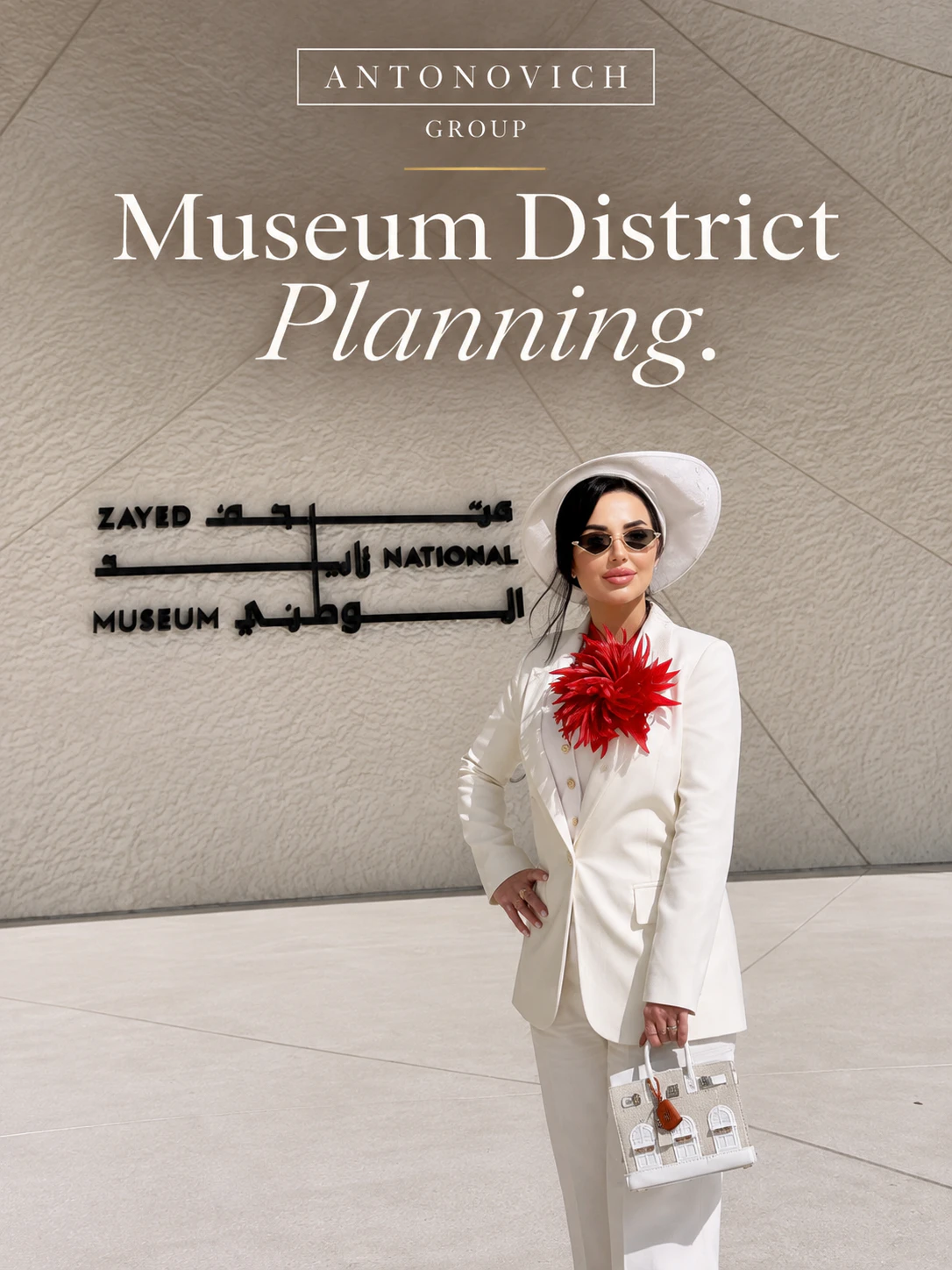
A major museum can transform a district. Beyond its collections, it brings visitors, restaurants, shops, hotels and international attention. Its architecture becomes a symbol, and its public spaces become gathering places. To maximise this effect, museums should be placed where they can connect with public transport, waterfronts, parks and other institutions, with active ground floors, cafés and outdoor spaces that welcome people even if they do not enter the galleries. The museum’s surroundings should be planned as carefully as the building itself.
Part 23: Creative Quarters
Creative quarters — districts of studios, galleries, design shops, media companies and performance venues — often emerge in former industrial or warehouse areas, where large affordable spaces attract artists and entrepreneurs. Masterplans for creative quarters should preserve this character: flexible buildings, affordable workspaces, street-level galleries and cafés, outdoor event spaces and a sense of informality. Too much polish can drive away the creative community that gives the quarter its life. A careful balance between investment and authenticity is essential.
Part 24: Lighting the Cultural District
At night, cultural and civic districts can become the most beautiful parts of a city. Lighting design reveals the domes and minarets of the grand mosque, the façades of museums and government buildings, the fountains of the square and the trees along the promenade. Lighting must be dignified rather than garish: warm tones for heritage buildings, precise accent lighting for architectural details, soft illumination for gardens and paths, and dynamic lighting reserved for festivals and celebrations. Coordinated lighting across the district creates a unified night-time image and extends the hours when people enjoy the district.
Part 25: Civic Districts in Central Asia
Capital cities in Central Asia have built ambitious civic centres with monumental squares, presidential palaces, parliaments, national museums, theatres, libraries and grand mosques. These districts often combine classical compositions — axes, colonnades and domes — with national motifs and contemporary architecture. Continental climates require public spaces designed for both hot summers and cold winters: sheltered squares, covered galleries, winter lighting and landscapes that remain beautiful in snow. Antonovich Group brings its experience of palaces, state residences and civic architecture to such projects, designing buildings and spaces that express national identity with dignity.
Part 26: Measuring Success
The success of a cultural or civic district can be measured through:
• Visitor numbers to institutions and public spaces.
• Repeat visits by residents.
• Event attendance and the number of programmes throughout the year.
• Dwell time in the district.
• Economic impact on hospitality, retail and creative businesses.
• International recognition in media, tourism and cultural rankings.
• Community engagement through education and outreach programmes.
• Resident pride and sense of ownership.
A district that performs well on these measures becomes a true heart of its city, valued by citizens and admired by visitors.
Antonovich Group: Designing Cultural and Civic Places
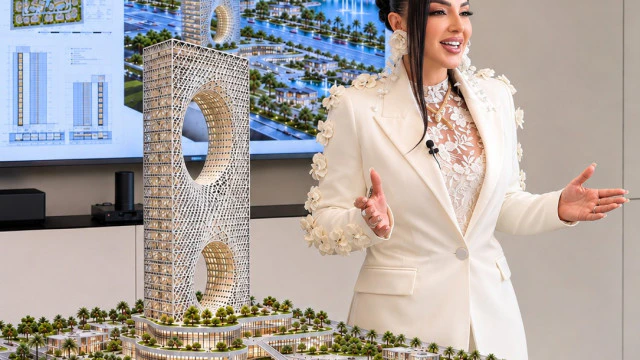
Antonovich Group, led by architect Katrina Antonovich, designs masterplans and landmark buildings for cultural, civic and religious projects — including mosques, museums, cultural centres, government and state buildings, and the public spaces that connect them — across the Gulf, Central Asia, South Asia and Africa. The firm’s experience in palaces and state residences brings an understanding of ceremony, dignity and monumental architecture to civic and cultural projects.
What Antonovich Group Delivers
• Cultural and civic district masterplans.
• Landmark architecture: mosques, museums, cultural centres, government buildings.
• Public realm design: squares, promenades, gardens and water features.
• Heritage integration and adaptive reuse concepts.
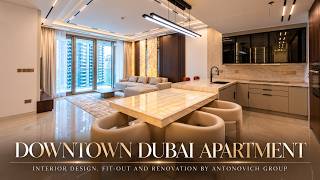
• Interior design for cultural and civic buildings.
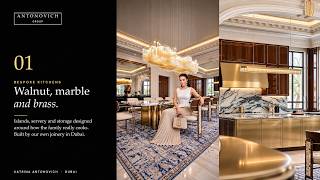
• Bespoke furniture for ceremonial and public spaces.
• Visualisation and presentations for stakeholders.
Katrina Antonovich’s Approach
Katrina Antonovich approaches cultural and civic districts as stages for a nation’s story. She composes axes, squares and landmarks to create moments of dignity and wonder, while designing shaded promenades, gardens and cafés so that the district is loved every day — not only on national occasions.
The Design Process
1. Vision and cultural strategy.
2. Site and heritage analysis.
3. Institutional programme.
4. Urban structure and composition of landmarks.
5. Public realm framework.
6. Design guidelines for architecture and landscape.
7. Mobility, security and infrastructure.
8. Programming and management strategy.
9. Phasing.
10. Architecture of landmark buildings.
Common Mistakes
Isolated monuments. Landmark buildings surrounded by parking with no public life.
Empty after hours. Districts without supporting uses that die in the evening.
Ignoring heritage. New development that damages historic character.
Unshaded public spaces. Squares too hot to use for much of the year.
Fortress security. Barriers that make civic districts feel hostile.
Poor connections. Districts disconnected from transit and surrounding neighbourhoods.
No management. Institutions working in isolation without coordinated programming.
Frequently Asked Questions
What is a cultural district? A district concentrating museums, theatres, galleries, libraries, creative industries and heritage, often with public spaces and supporting uses.
What is a civic district? A district of government buildings, civic squares, grand mosques and public institutions forming the symbolic heart of a city.
How do you keep cultural districts active? Through supporting uses, evening programmes, festivals, education and residential and hospitality uses.
How is heritage protected? Through restoration, adaptive reuse, height and materials guidelines, and sensitive new architecture.
Do you design mosques? Yes, from grand mosques to neighbourhood mosques, in classical and contemporary styles.
Do you design government buildings? Yes, including ministries, state buildings and civic institutions.
How do civic districts balance security and openness? Through integrated landscape barriers, controlled access, discreet surveillance and public gardens and visitor facilities.
How large should a civic square be? Large enough for national celebrations, yet designed with shade, edges and furniture so it feels comfortable on ordinary days.
Can old industrial areas become creative quarters? Yes, through adaptive reuse of warehouses and flexible spaces for studios, galleries and events.
Do you design museums and cultural centres? Yes, including architecture, interiors and public spaces.
The Soul of the City
Cultural and civic districts are where a city expresses its soul. Antonovich Group designs them with dignity, beauty and a deep respect for culture and heritage — creating places that citizens cherish, that welcome visitors from around the world and that carry a nation’s story into the future.
Consultation · WhatsApp +971 54 299 5555 · antonovich-design.ae